
Dig With Purpose. Build What Comes Next.
W Brown Construction LLC provides trenching, septic excavation, and utility site preparation for residential, rural, agricultural, and commercial properties throughout East Bend and surrounding communities.
From utility trenches and water lines to septic system excavation and underground service routes, we prepare the ground for the systems your property depends on.
Residential and commercial projects • Utility trenching • Septic excavation • Excavation & site preparation
Tell Us About Your Trenching Project
Share the property location, type of utility or septic work, approximate project area, and what needs to be installed or prepared. We will help determine the right excavation approach.
Tell Us About Your Trenching Project
Share the property location, type of utility or septic work, approximate project area, and what needs to be installed or prepared. We will help determine the right excavation approach.
Residential & Commercial Projects
Utility Trenching
Septic Excavation
Water & Sewer Lines
Electrical & Conduit Trenches
Excavation & Site Preparation
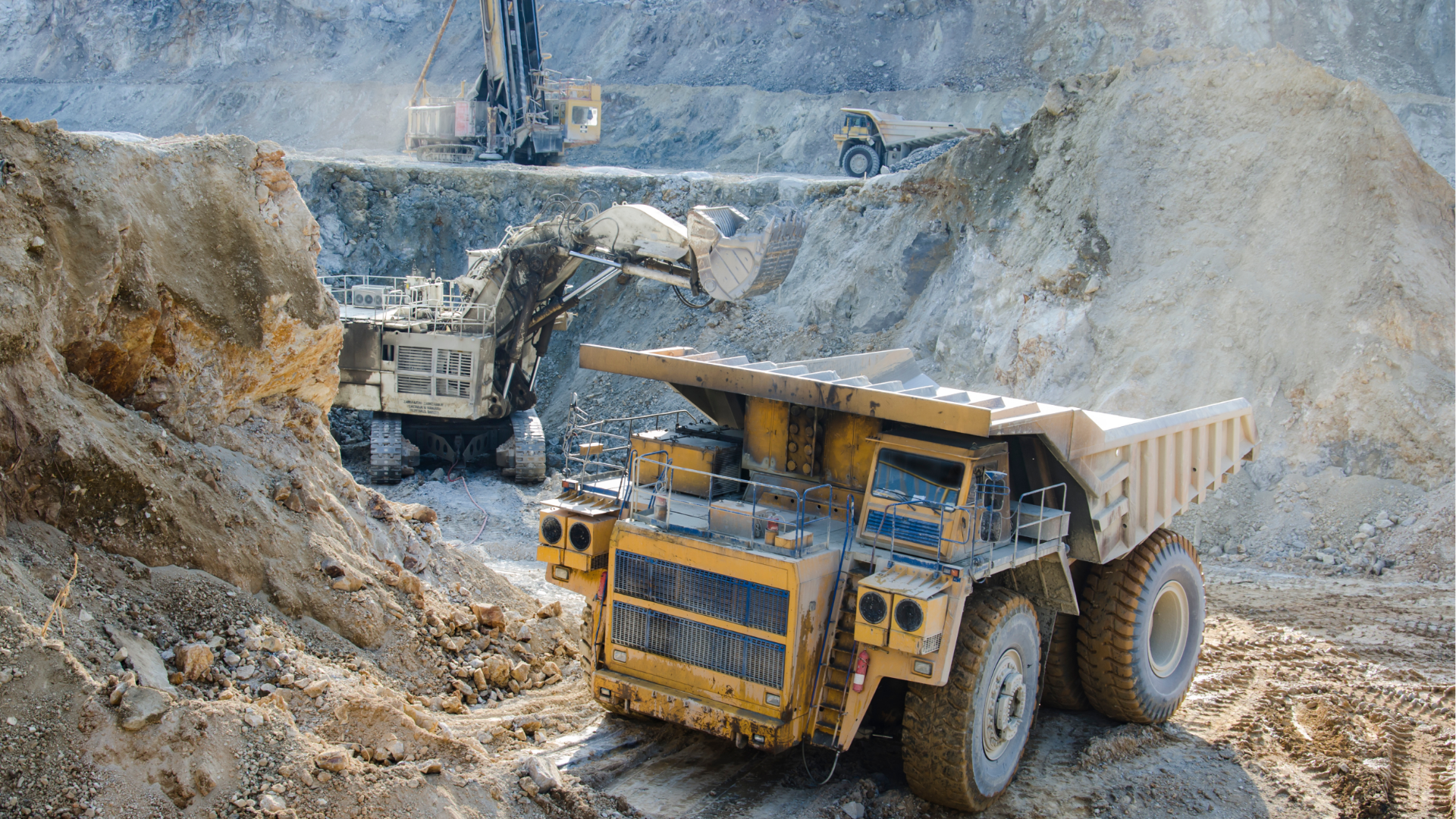
Prepare the Ground for the Utilities Your Property Needs
Many property improvements depend on underground systems that have to be installed correctly beneath the surface.
Water lines, sewer connections, septic systems, electrical conduit, drainage systems, communication lines, and other utilities all require carefully planned excavation.
W Brown Construction LLC provides trenching and excavation services for homeowners, rural properties, farms, builders, and commercial projects throughout East Bend and surrounding communities.
The trenching approach depends on what is being installed, where it needs to go, the terrain, access, existing structures, and the surrounding property conditions.
We consider trench location, equipment access, depth requirements provided by the applicable utility or installation professional, existing site conditions, material handling, and what needs to happen after the trench is completed.
The goal is to provide a properly planned excavation area that allows the appropriate utility, septic, or installation professional to complete the next phase of the project.
When Your Property Needs Underground Infrastructure
Trenching and excavation may be needed when a property requires new underground services, septic preparation, drainage improvements, or utility connections.
Common situations include:
- New construction requiring underground utilities
- Properties needing new water lines
- Septic system installation requiring excavation
- Sewer or waste-line routes
- Electrical conduit installation
- Communication or low-voltage utility routes
- Utility connections between buildings
- Underground service routes across large properties
- Drainage or water-management trenches
- Rural properties without existing utility infrastructure
- Utility lines that need to be extended to a new structure
- Existing ground that makes utility installation difficult
- New shops, garages, barns, or other buildings requiring underground services
- Replacement or improvement of existing underground lines
- Construction sites that need utility routes prepared before later work
Proper excavation helps create a clear path for the next stage of installation while reducing unnecessary disruption to the surrounding property.
Signs Your Property May Need Trenching or Utility Excavation
You may need professional trenching or excavation if:
- You are building a new house or structure
- A new septic system needs a prepared excavation area
- Water needs to be brought to a new building
- Electrical service needs an underground route
- A shop, barn, garage, or outbuilding needs utilities
- Multiple buildings need to be connected
- Your property requires a new sewer or waste line
- Underground communication lines need to be installed
- A property has no existing utility infrastructure
- Existing utility routes need to be replaced or extended
- Drainage needs to be routed through a specific area
- Long underground routes need to cross a rural property
- Utility installation is being planned as part of a larger construction project
- You need excavation completed before another contractor can install the system
Starting with a clear understanding of the route and site conditions can help keep the project organized and avoid unnecessary excavation.
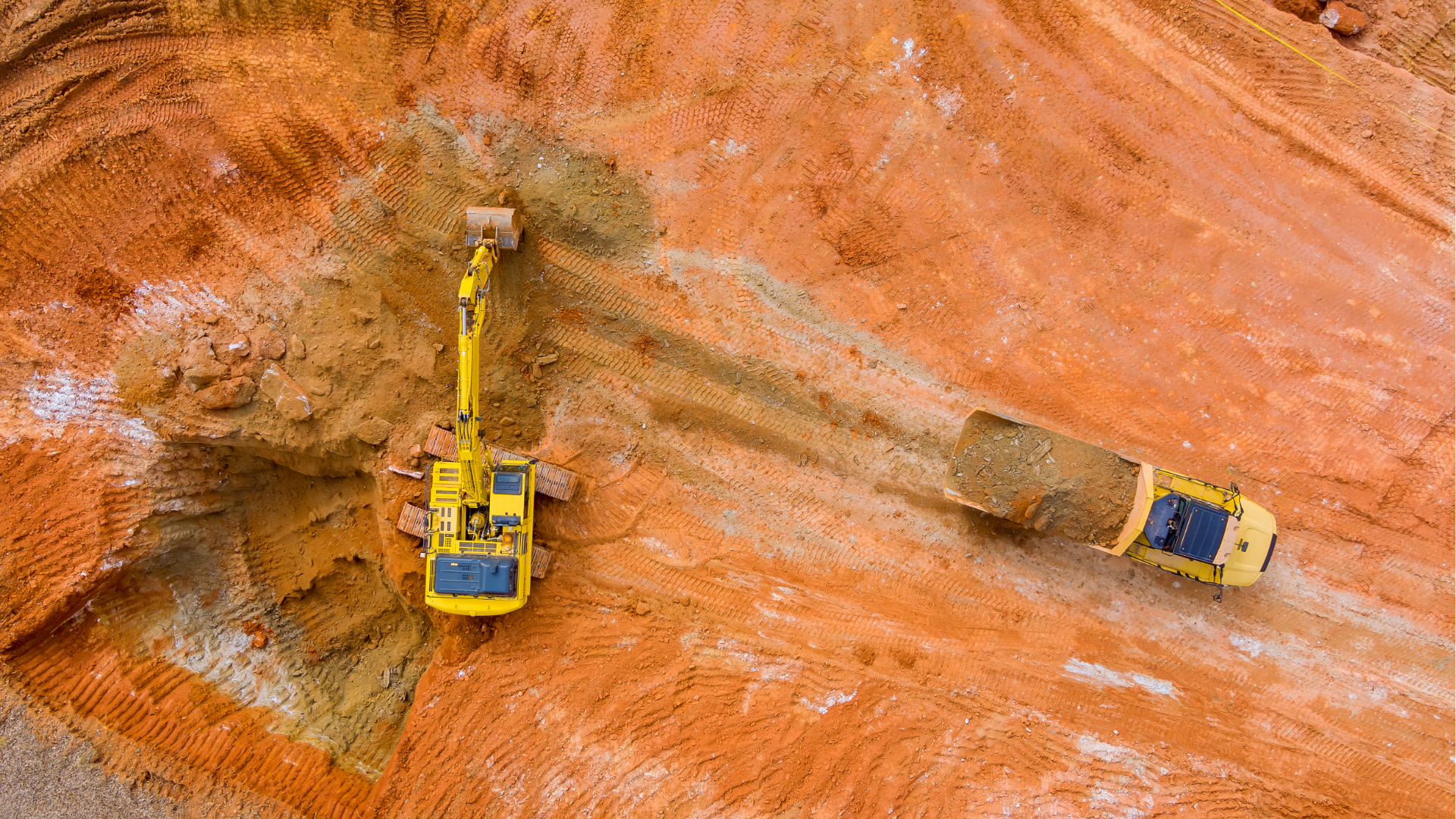
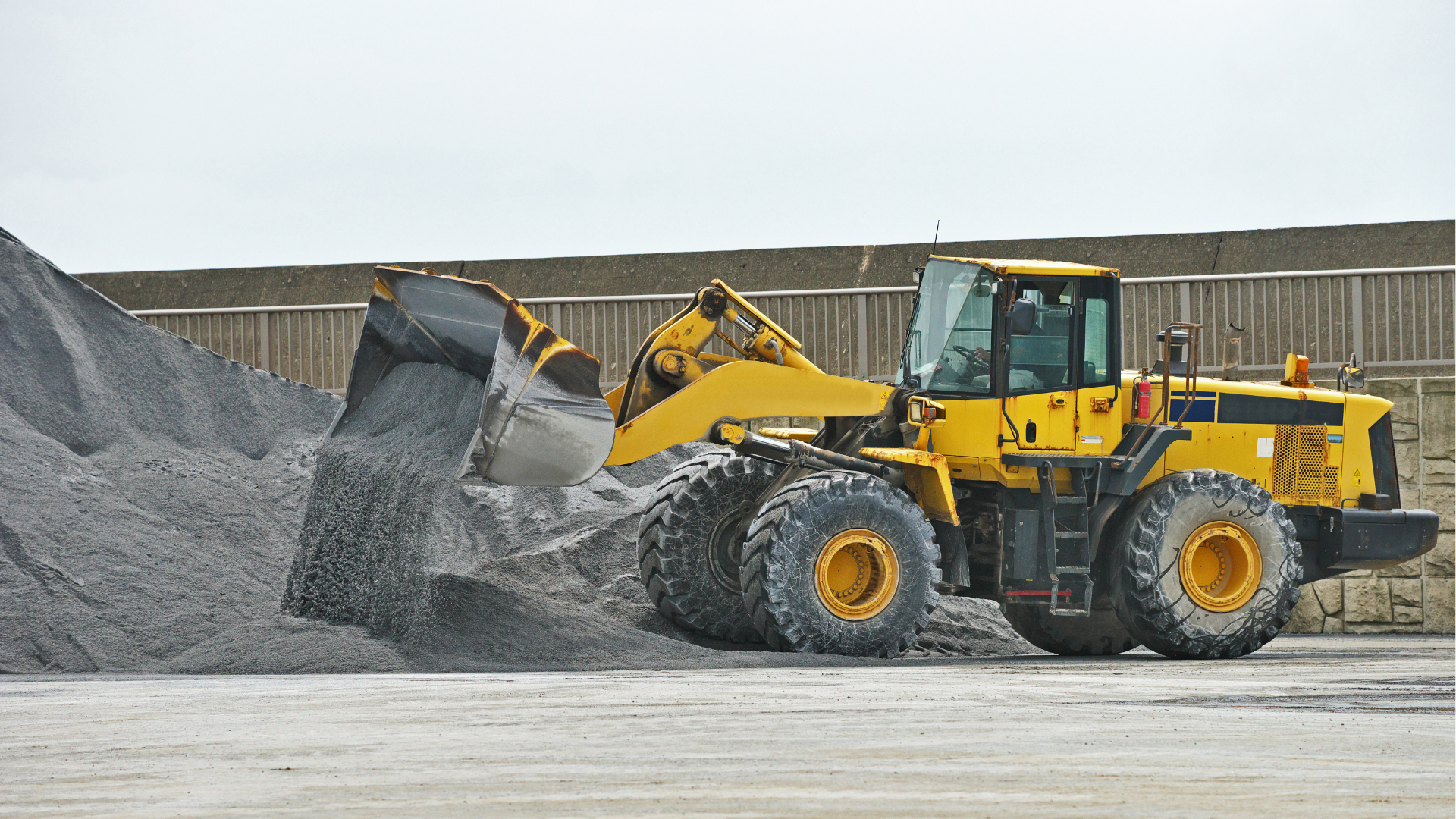
Trenching Is More Than Digging a Straight Line
A utility trench is part of a larger installation system.
The route, depth, soil conditions, slope, access, existing utilities, structures, and final connection points all need to be considered before excavation begins.
Depending on the project, trenching may support:
- Water supply lines
- Sewer lines
- Septic systems
- Electrical conduit
- Communication lines
- Drainage systems
- Irrigation lines
- Utility connections between structures
- Other underground services
For septic projects, excavation may include preparing areas for tanks, distribution components, drain fields, or related site work according to the requirements of the septic-system design and installation plan.
For utility projects, the trench needs to follow the route and specifications provided by the appropriate utility or installation professional.
The surrounding property also matters. Existing driveways, landscaping, structures, trees, drainage areas, slopes, and other utilities can affect where equipment can work and how the excavation should be completed.
Planning these details before digging helps keep the excavation aligned with the larger project.
Our Process
How the Trenching & Utility Excavation Process Works
1. Tell Us About the Project
We begin with the property location, type of utility or septic work, approximate route, access, and what the excavation needs to accomplish.
2. Review the Site
We consider terrain, existing structures, driveways, access points, visible site conditions, and the proposed utility or septic route.
3. Confirm the Excavation Scope
The project scope identifies the areas to be excavated, the type of trenching required, material-handling needs, and any site limitations that need to be considered.
4. Plan Equipment Access
We determine how excavation equipment can reach the work area while minimizing unnecessary disturbance to the surrounding property.
5. Complete the Trenching
The trench or excavation area is created according to the agreed project scope and the applicable installation requirements provided by the responsible utility, septic, or construction professional.
6. Coordinate the Next Installation Phase
Once the excavation is ready, the appropriate professional can install the pipe, conduit, septic components, or other underground system.
7. Backfill and Prepare the Area
When included in the project scope, excavated material can be placed back, compacted, graded, or otherwise prepared for the next phase of construction.
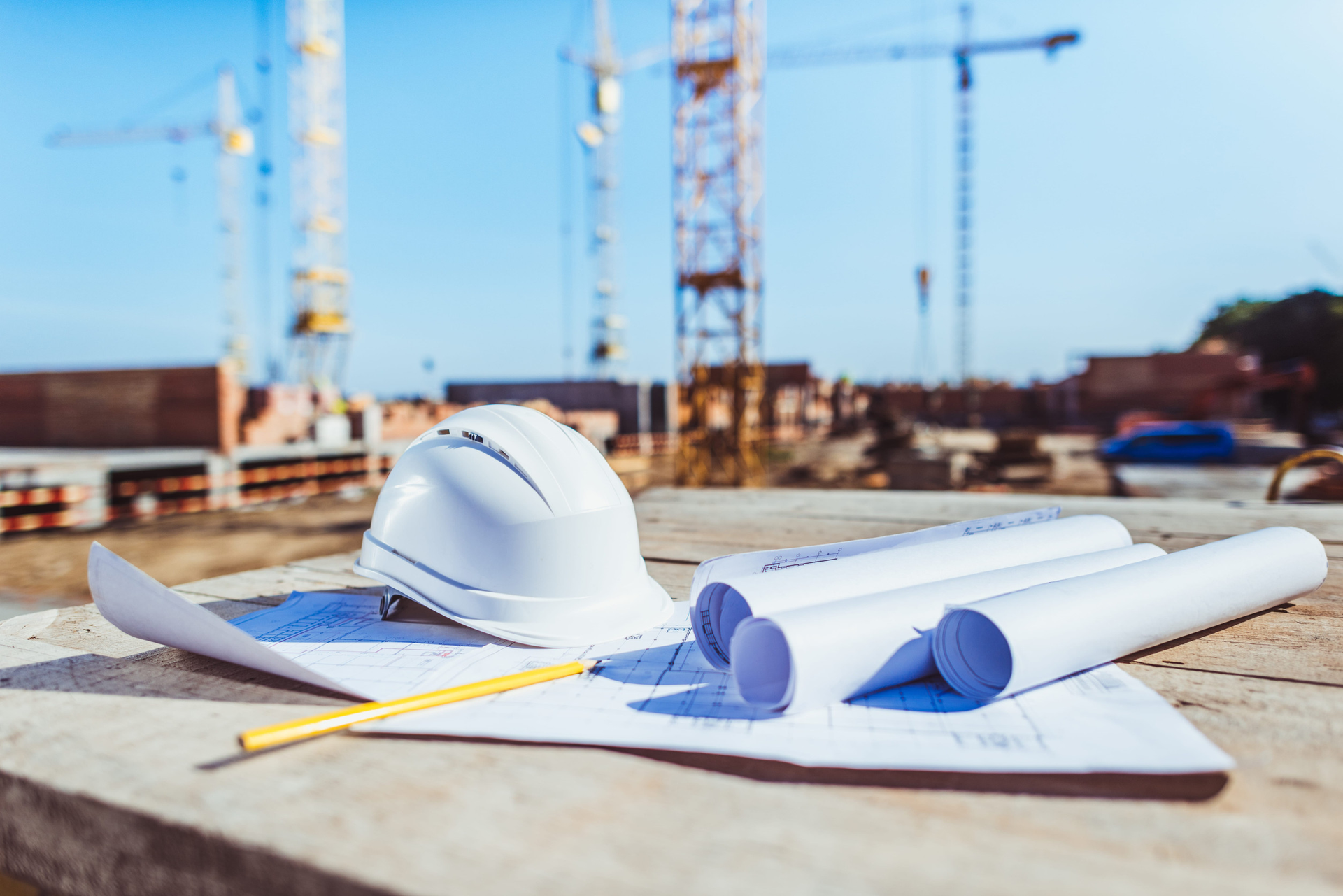
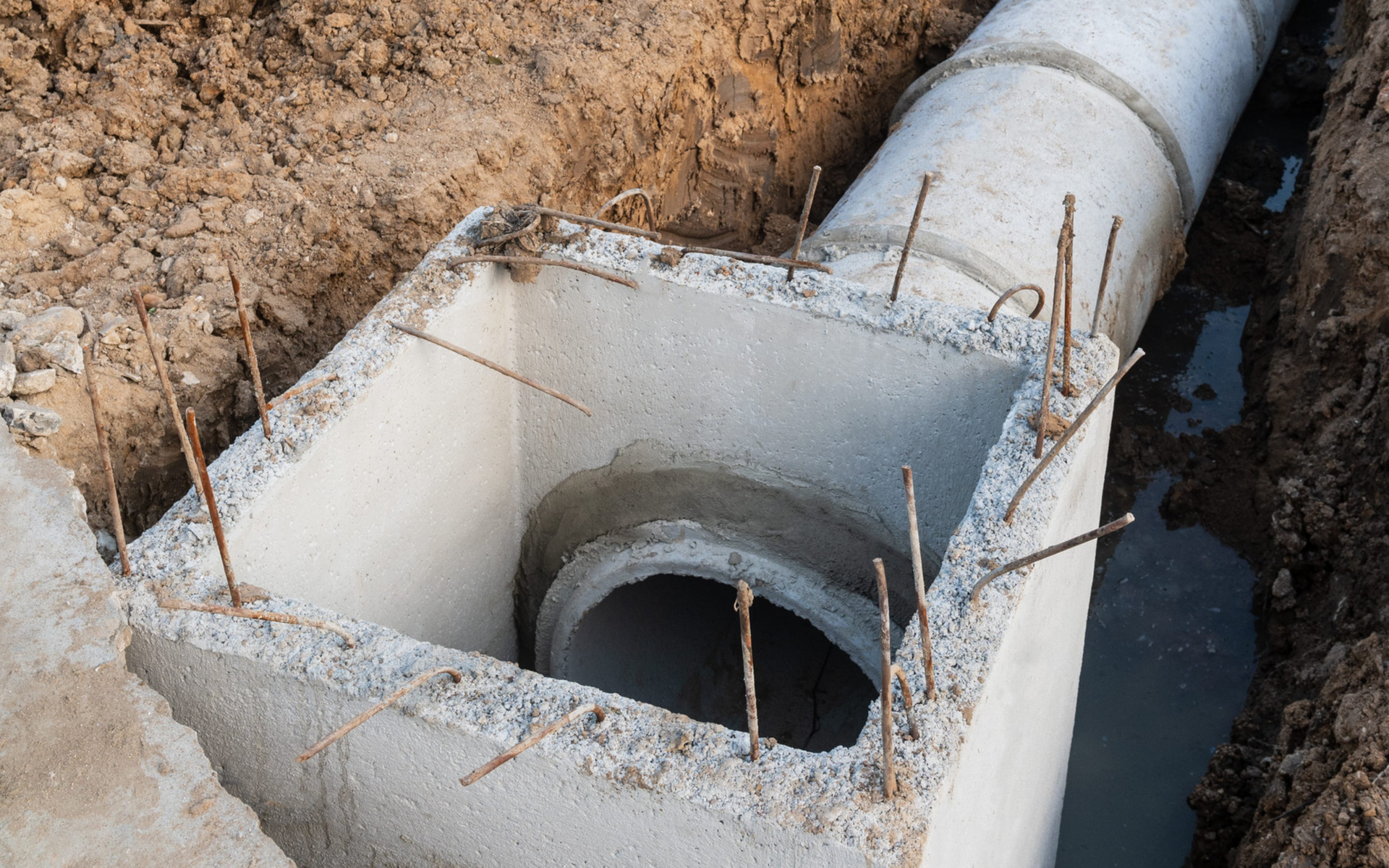
Trenching Often Connects to a Larger Project

Services
Services That Commonly Support Trenching & Utilities
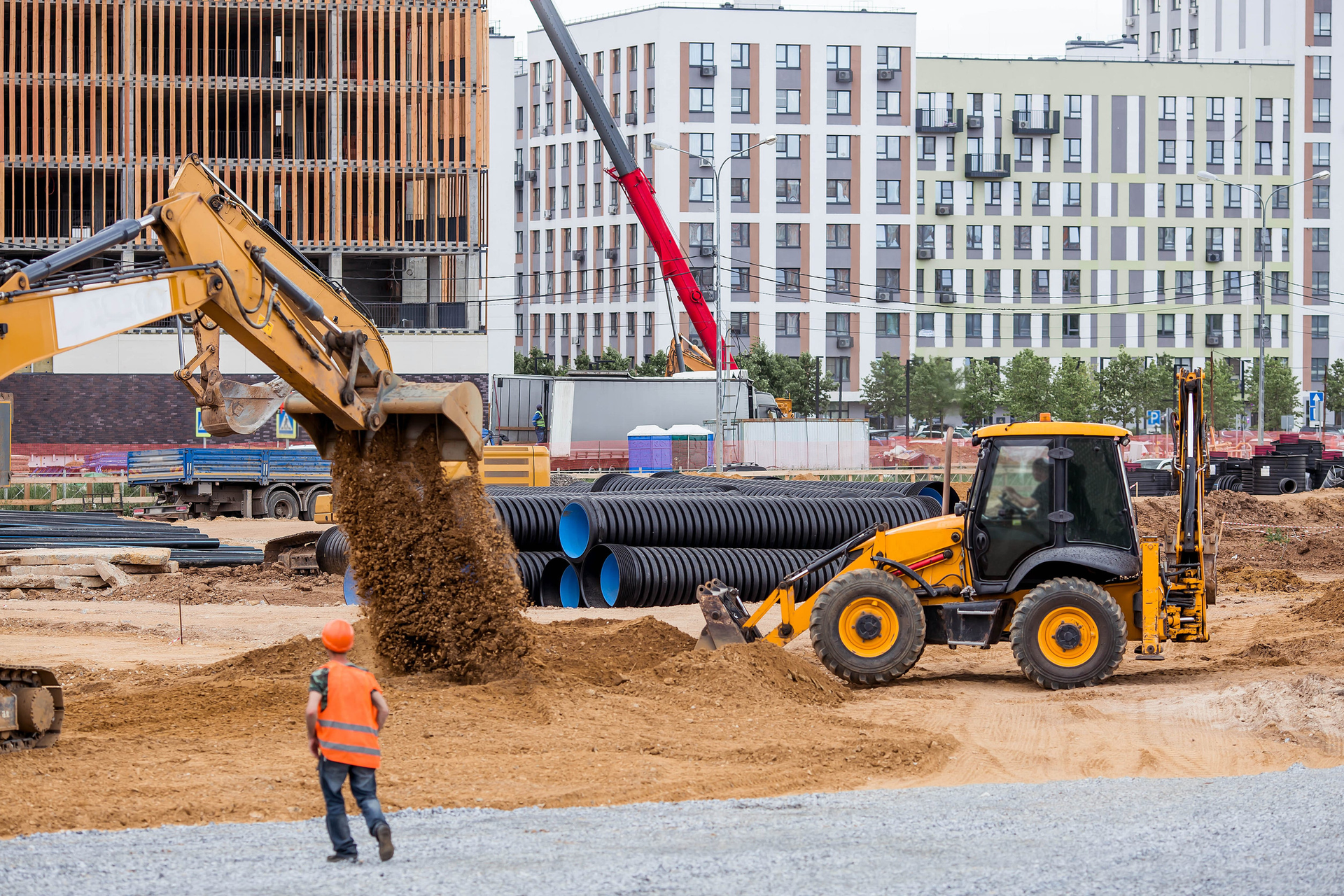
Excavation & Site Prep
Excavate and prepare areas for utility routes, septic systems, construction, drainage, and other underground infrastructure.
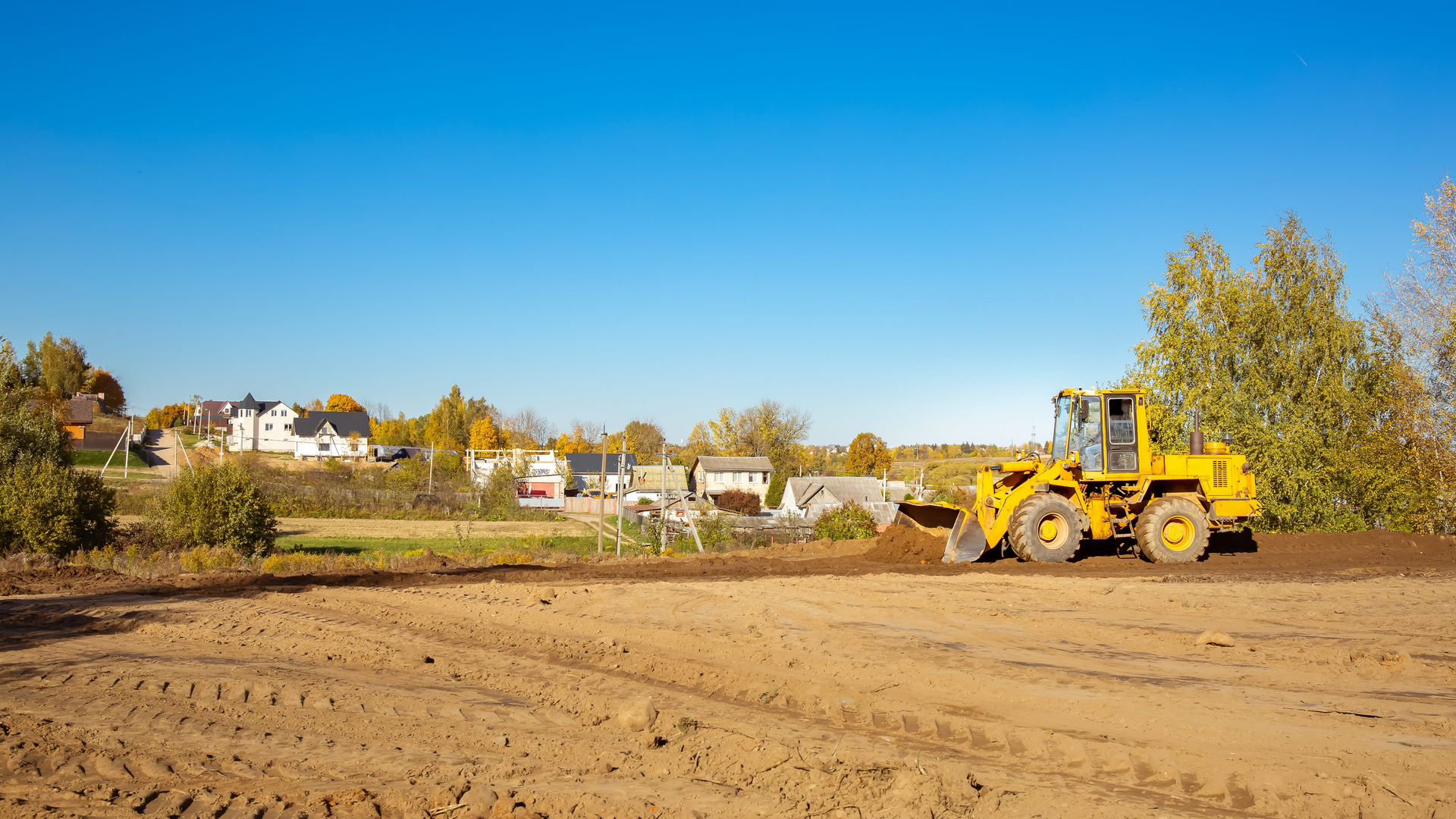
Grading & Leveling
Restore and shape areas affected by trenching while establishing grades needed for drainage, access, and construction.
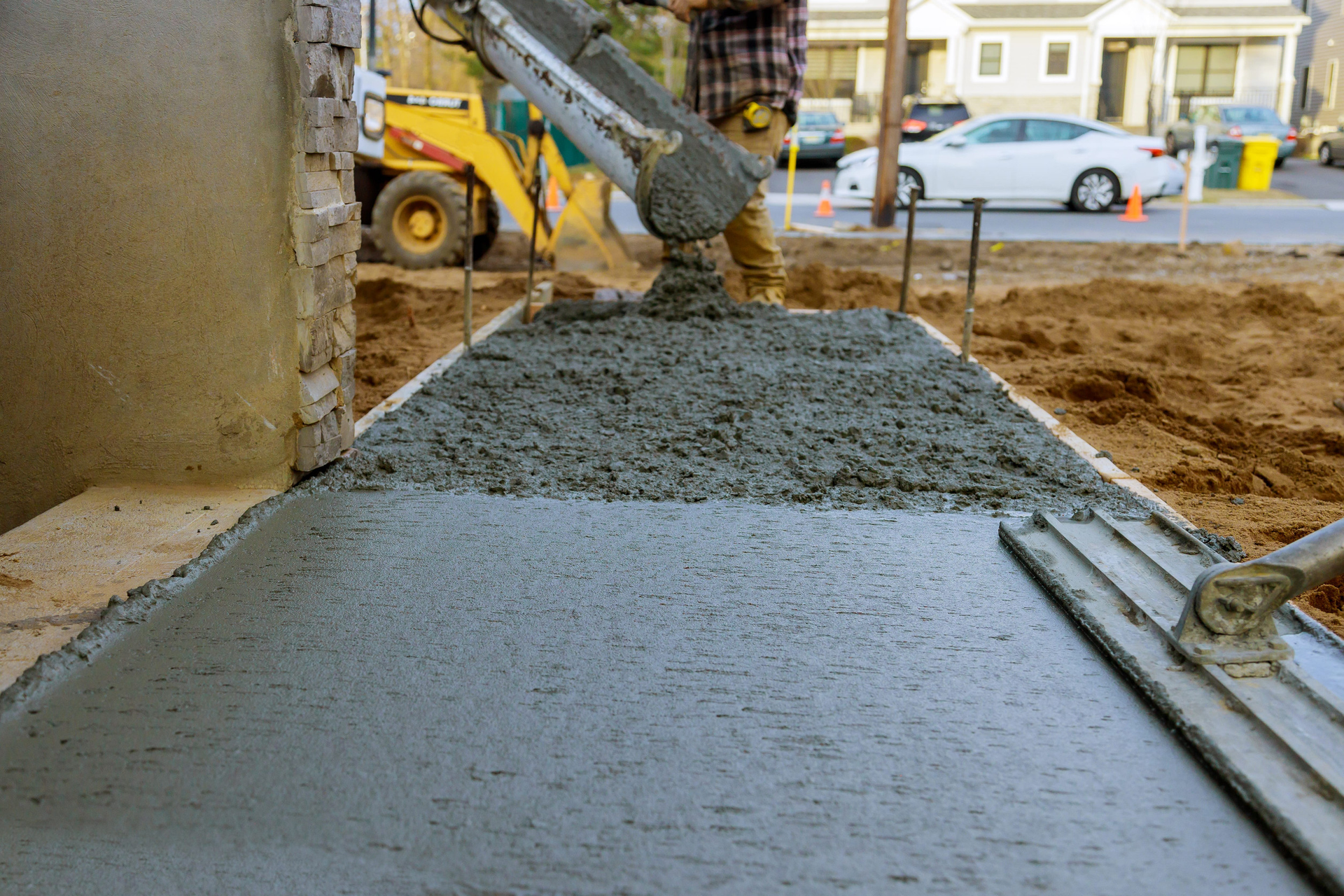
Building Pads & Concrete Prep
Prepare building areas while coordinating underground utility and septic requirements with the overall site plan.

Driveways, Roads & Access
Create or improve access routes needed for construction equipment, utility installation, septic work, and ongoing property use.
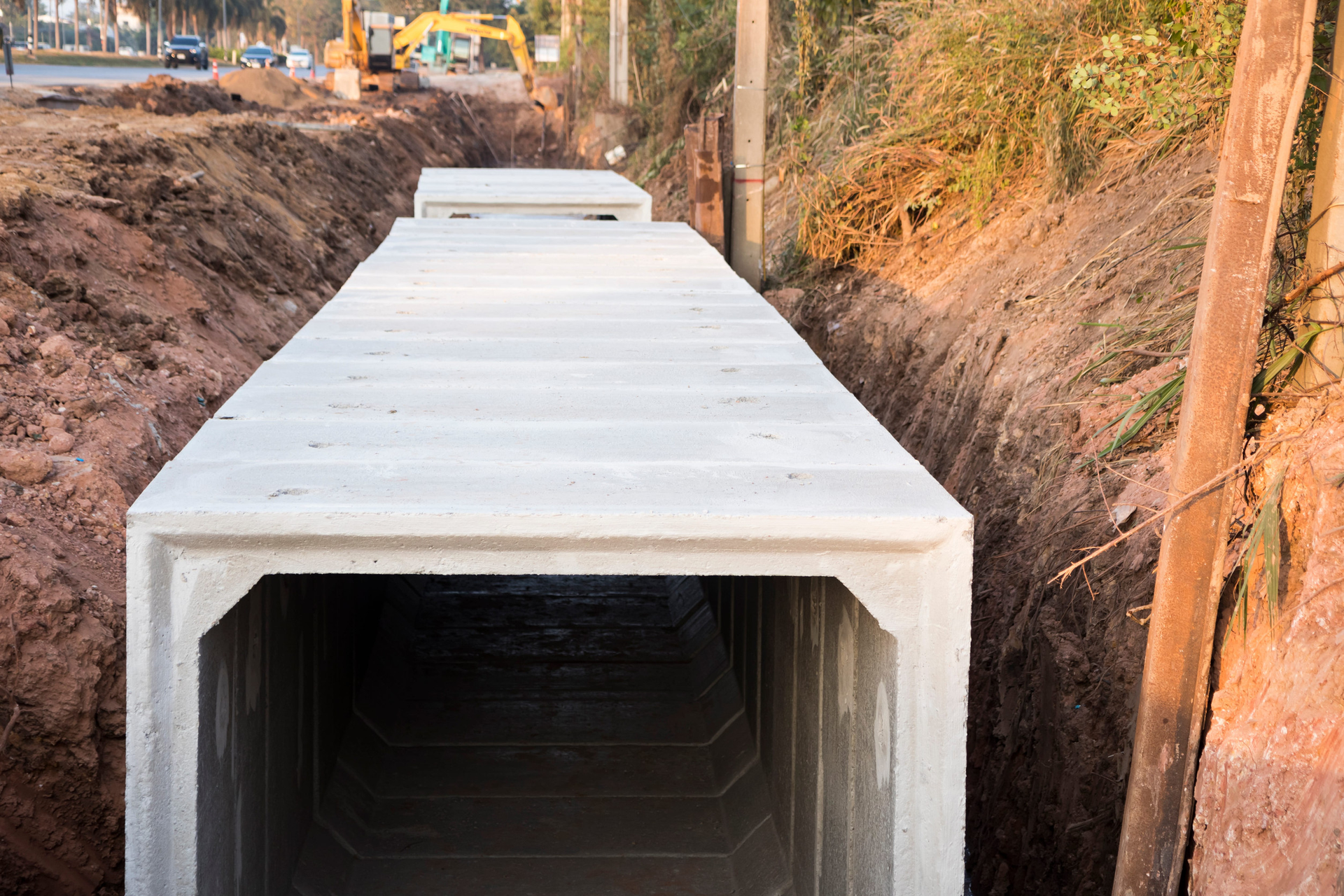
Drainage, Culverts & Stormwater
Install or improve drainage features where water needs to be redirected, controlled, or moved through the property.
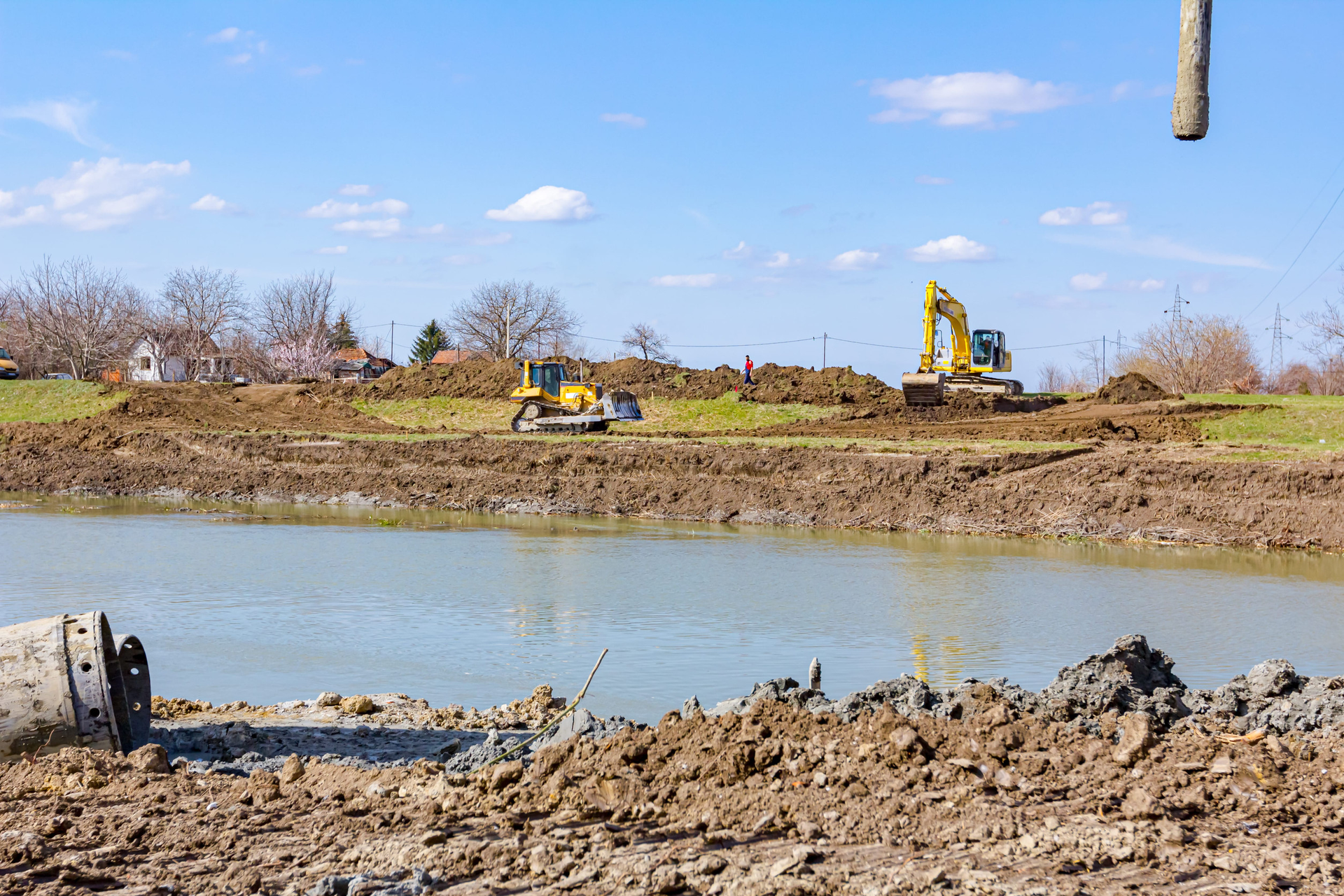
Ponds & Water Management
Coordinate excavation and water-management work when ponds, drainage paths, or other water features are part of the property project.
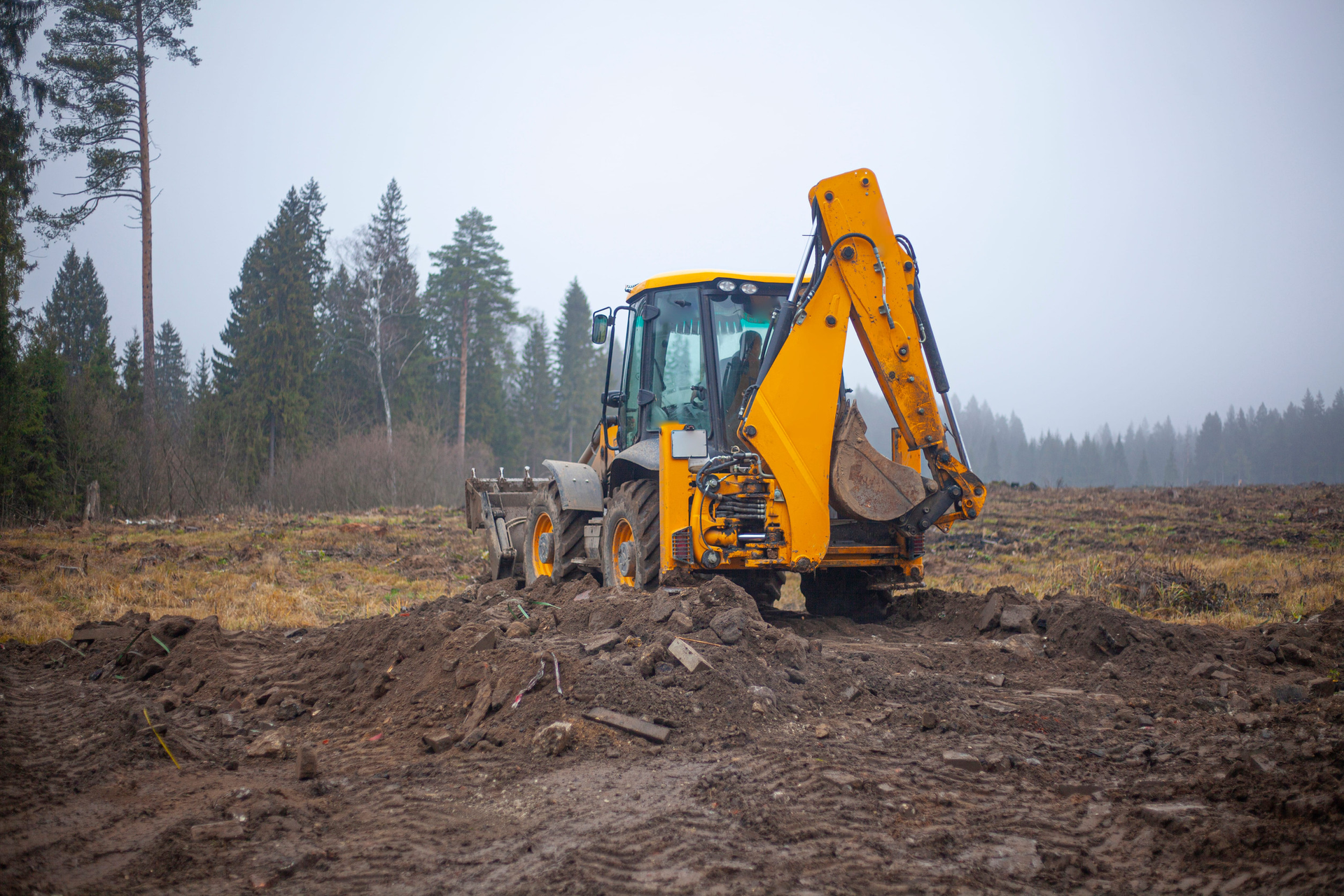
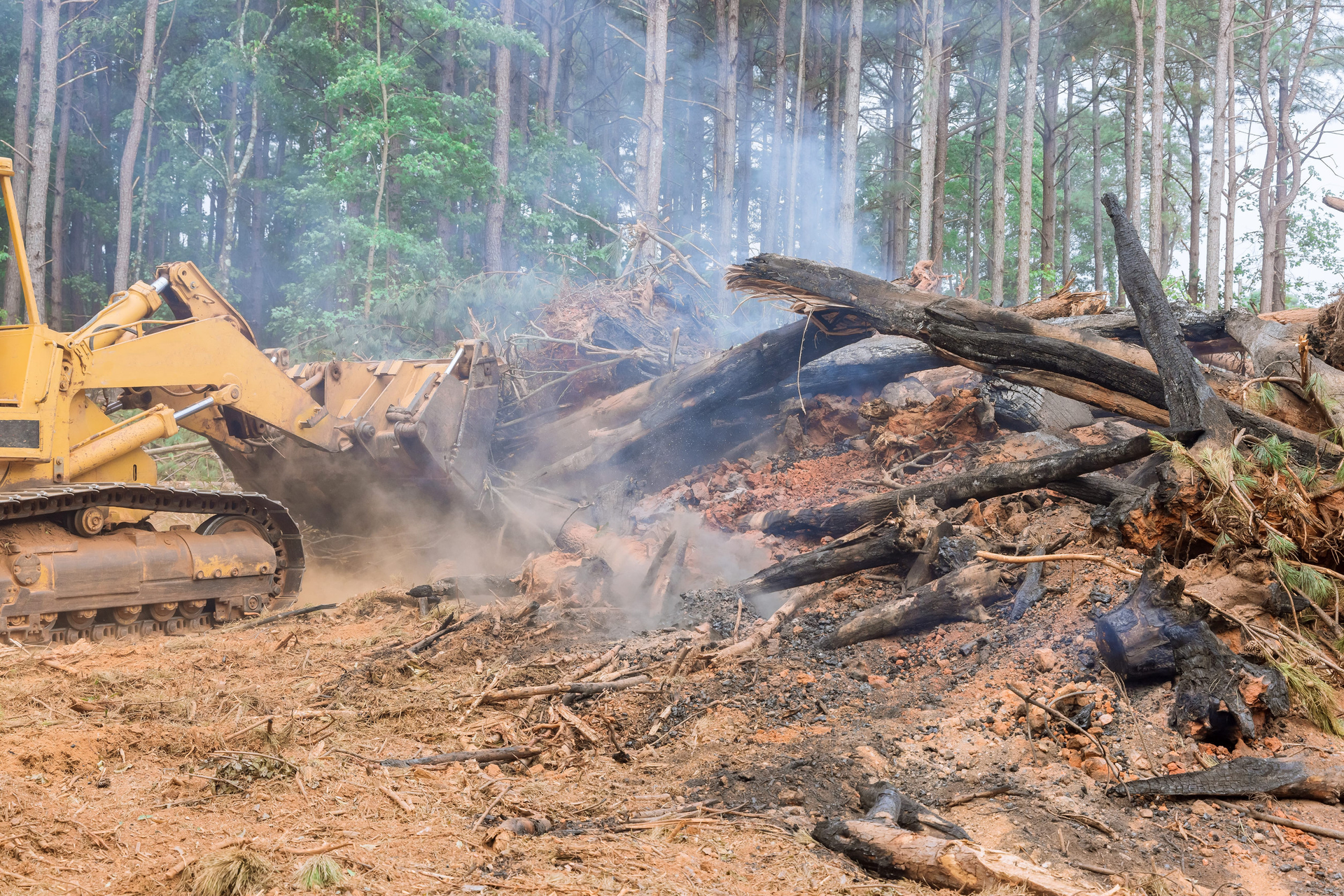
Land Clearing
Clear vegetation, trees, brush, and debris from planned utility routes, septic areas, and construction zones.
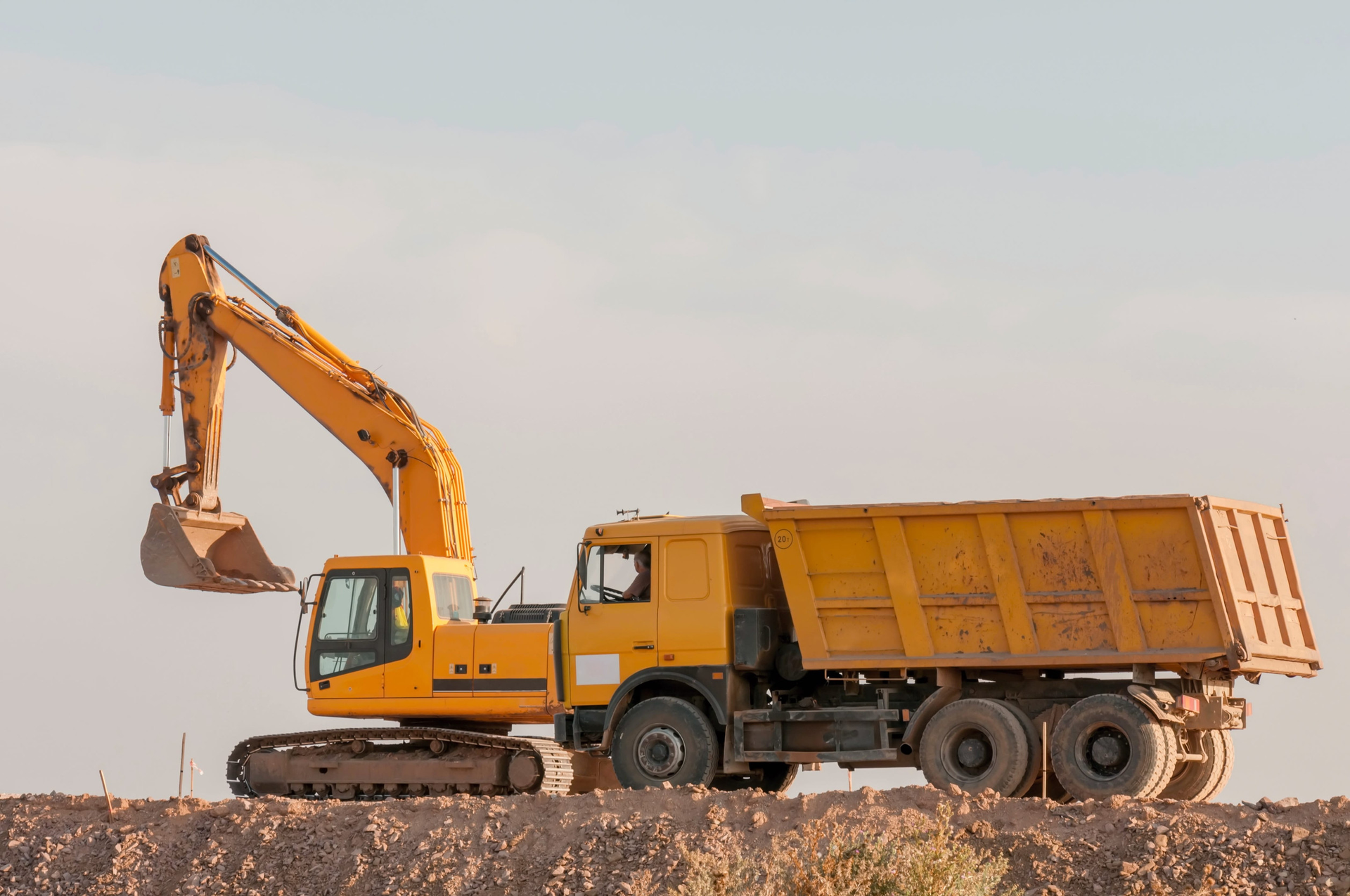
Hauling & Materials
Move excavated dirt, rock, debris, and other material while bringing in appropriate fill or aggregate when needed.
The Value Is in Preparing the Ground Correctly
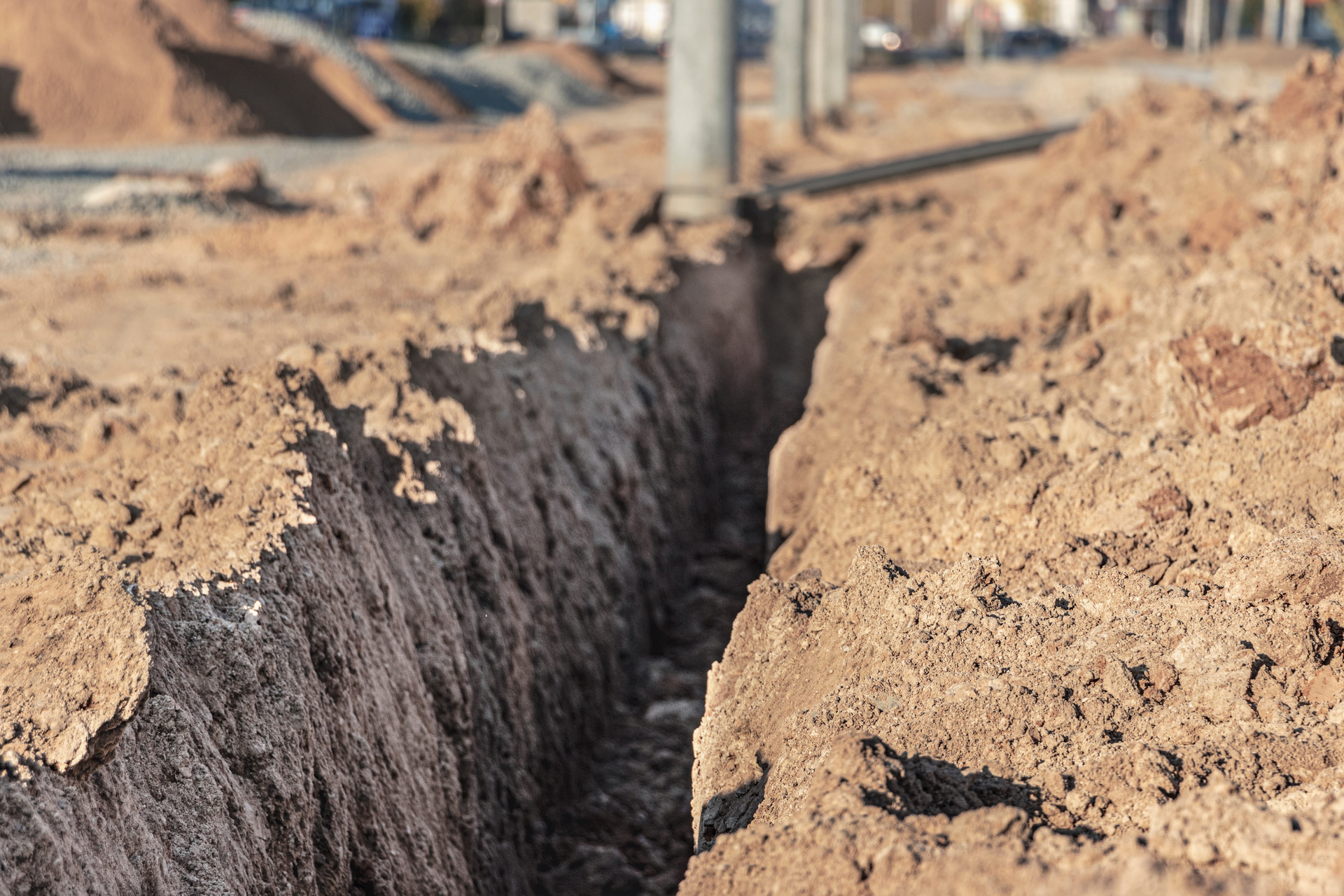
A successful trenching project creates a clear, practical path for the underground system that needs to be installed.
W Brown Construction LLC brings a broader site-work perspective to trenching and utility excavation. We consider how underground work connects with grading, drainage, access, clearing, building pads, and the property's overall construction plan.
That approach supports:

Organized utility routes
Easier access for installation crews
Cleaner construction sites
Better coordination with other site work
Reduced unnecessary excavation
More efficient material handling
Improved transitions into backfilling and grading
Better preparation for new construction
Clearer project sequencing
Less coordination between disconnected excavation contractors
Our trenching and utility excavation services support homeowners, builders, farms, rural properties, and commercial projects throughout East Bend and the surrounding region.
Why Choose Us?
Why Choose W Brown Construction LLC for Trenching, Septic & Utilities?
We Plan Around the Larger Project
Utility and septic excavation is usually one part of a larger construction or property-improvement project. We consider how the trenching fits into the overall site plan.
We Understand Site Conditions
Terrain, access, existing structures, drainage, vegetation, and soil conditions can all affect excavation. We consider these factors before work begins.
Residential and Commercial Capability
We work on residential properties, rural acreage, farms, new construction sites, outbuildings, and commercial projects.
Excavation & Dirt Work Experience
Trenching often connects with clearing, grading, excavation, hauling, drainage, and access work. Related services can be coordinated when needed.
Clear Project Communication
You will understand the excavation scope, what the site may require, and what needs to happen before and after trenching.
Support for the Next Installation Phase
Our goal is to prepare the excavation so the appropriate utility, septic, plumbing, electrical, or construction professional can complete the next phase efficiently.
Trenching, Septic & Utility Services Across East Bend and Surrounding Communities
W Brown Construction LLC provides trenching, septic excavation, utility excavation, and related site-work services within approximately 50 miles of East Bend, North Carolina.
Primary service areas include:

East Bend
Yadkinville
Boonville
Jonesville
Elkin
Dobson
Pilot Mountain
Mount Airy
King
Rural Hall
Tobaccoville
Pfafftown
Lewisville
Clemmons
Winston-Salem
Walkertown
Kernersville
Mocksville
Advance
Bermuda Run
Harmony
Statesville
Lexington
Wilkesboro
North Wilkesboro
Nearby rural communities and properties outside these locations may also be considered depending on project size, scope, access, and scheduling.
Blogs
Planning a Trenching or Utility Project?
FAQs
Trenching, Septic & Utilities Questions
What types of trenching do you provide?
Trenching may support water lines, sewer lines, septic systems, electrical conduit, communication lines, drainage systems, irrigation, utility connections, and other underground services depending on the project.
Can you excavate for a septic system?
Yes. We can provide excavation and site preparation for septic-related projects according to the applicable septic-system design and installation requirements.
Do you install the utility lines after digging the trench?
The scope of work depends on the project. W Brown Construction LLC provides excavation and site preparation, while the actual installation, connection, inspection, or certification may need to be completed by the appropriate licensed utility, septic, plumbing, or electrical professional.
Can you trench for water and electrical lines?
Yes. Excavation can be prepared for water lines, electrical conduit, communication lines, and other underground utilities according to the project requirements.
Can you trench between two buildings?
Yes. Utility routes between a house, shop, barn, garage, or other structures can be excavated when the project requires underground connections.
How do you know where to dig?
The excavation route should be established before digging based on the project plans, property conditions, existing utility information, and applicable locating requirements.
What happens after the trench is completed?
The appropriate professional can install the underground system. Depending on the project scope, the trench can then be backfilled, compacted, graded, or prepared for the next construction phase.
Can trenching be combined with other site work?
Yes. Trenching can often be coordinated with land clearing, excavation, grading, drainage, access, building-pad preparation, and hauling.
Get the Ground Ready for What Comes Next

Prepare the property for septic, water, electrical, and other underground systems.
Plan trenching around the property's terrain, access, and construction goals.
Coordinate excavation with the larger site-work project.
Ready to Start the Underground Work?
Tell us where the property is located, what needs to be trenched, and what system is being installed. W Brown Construction LLC will help you determine the right next step.