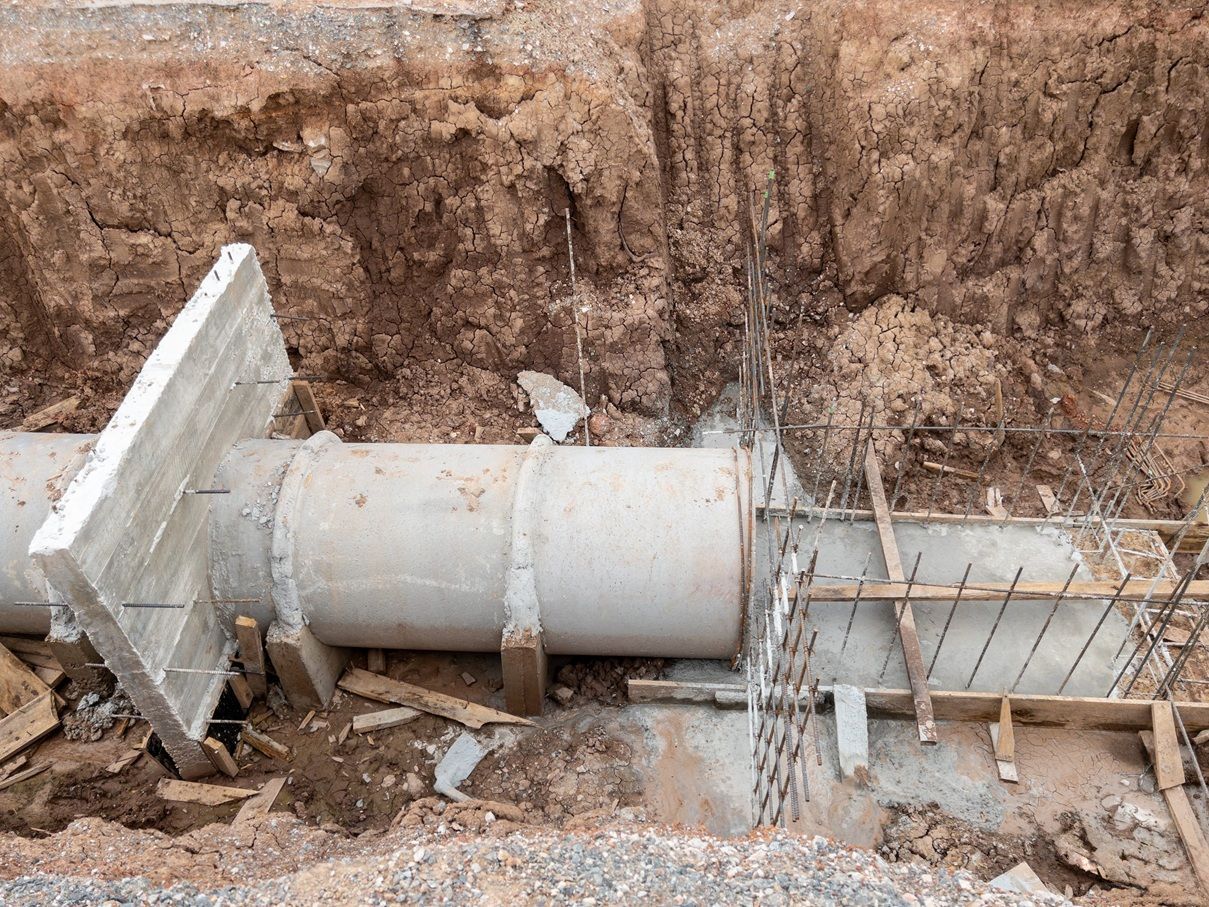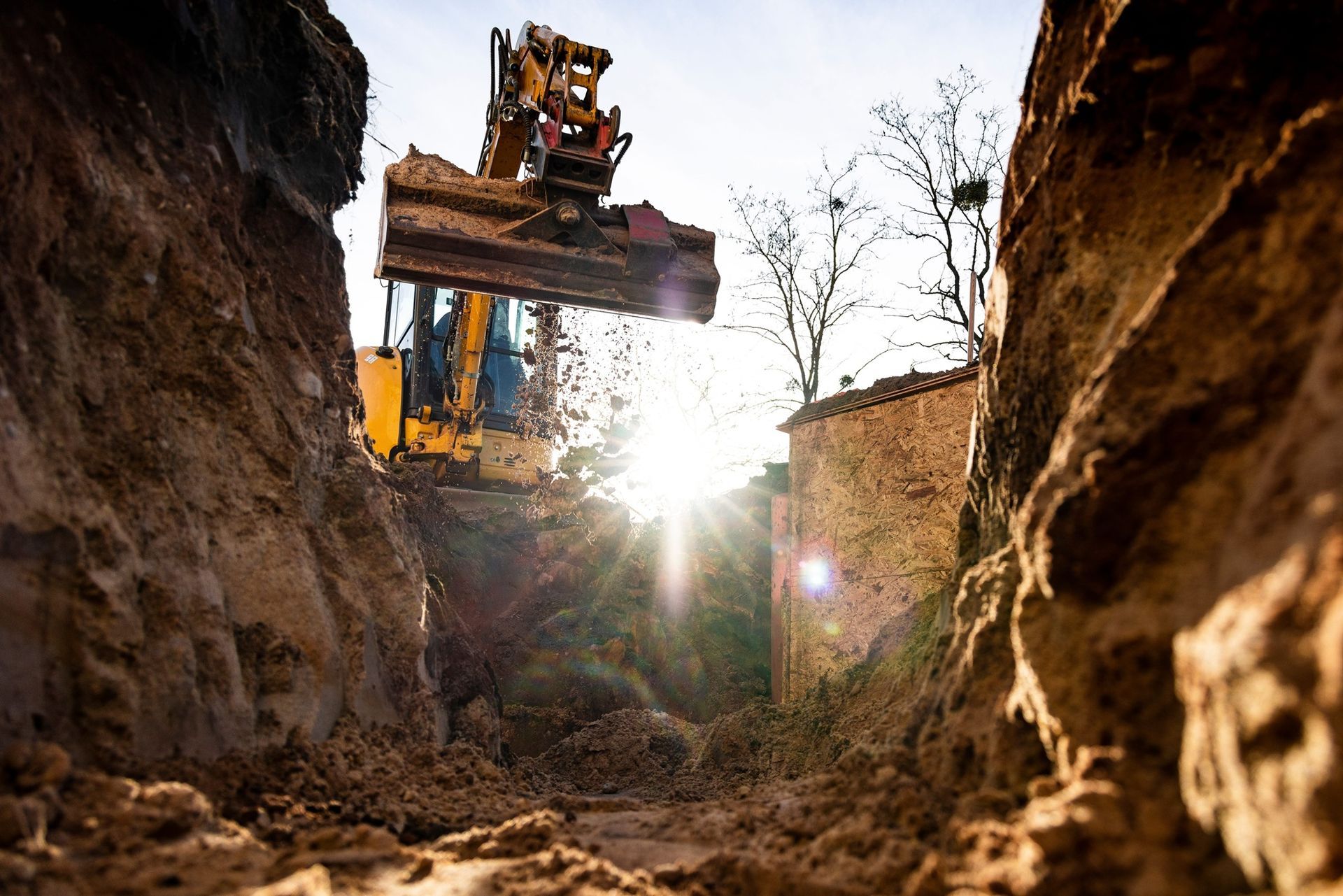

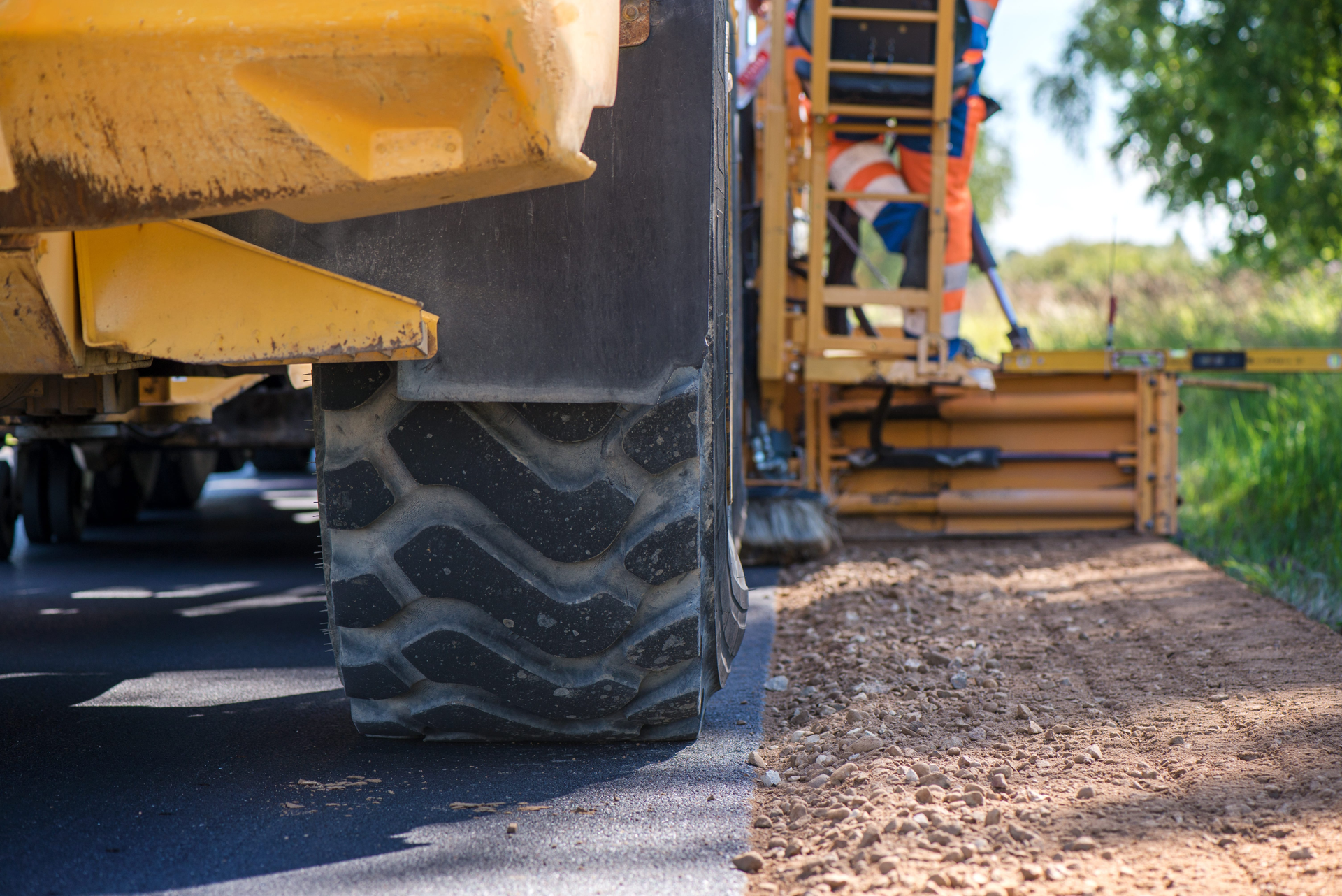
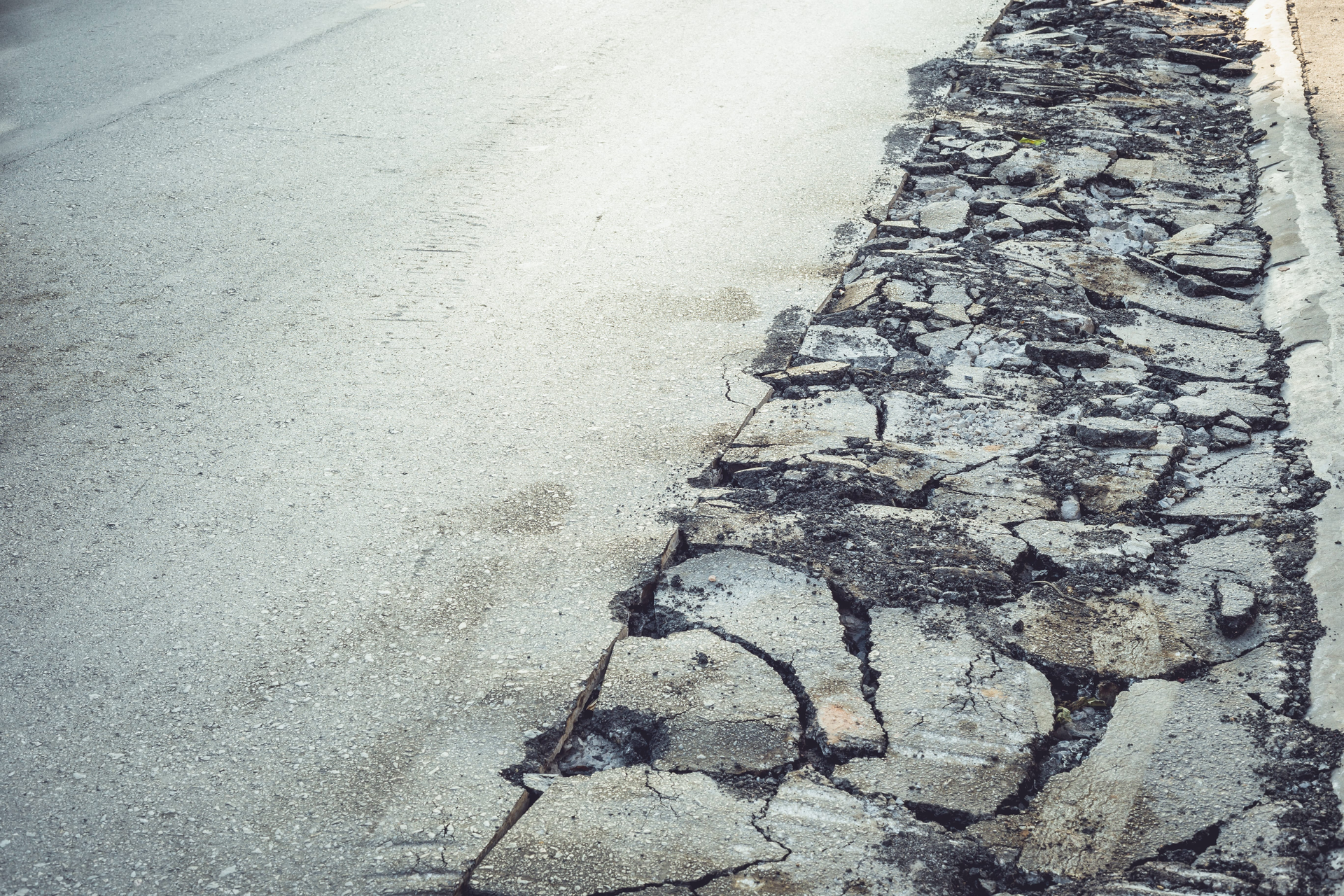
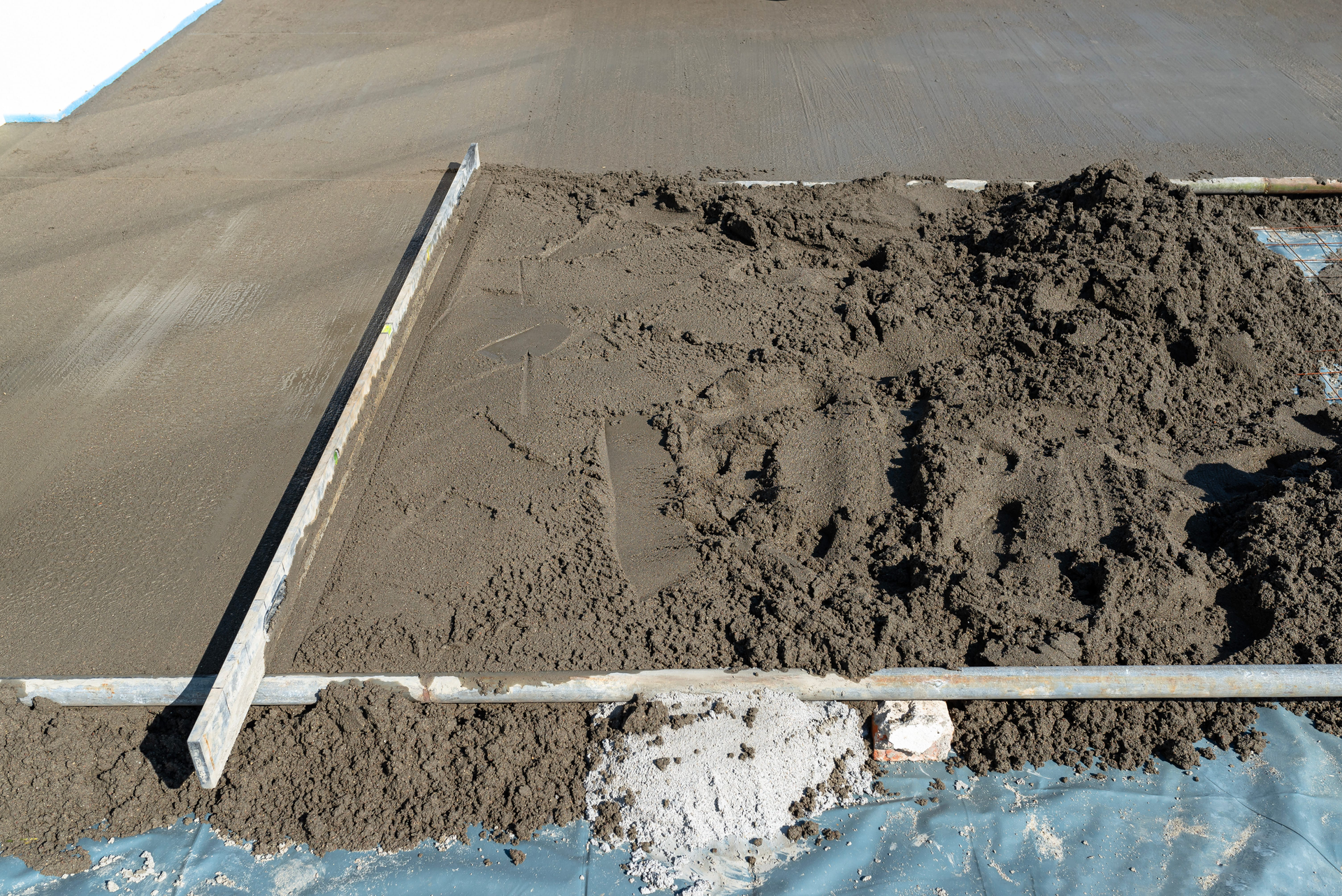
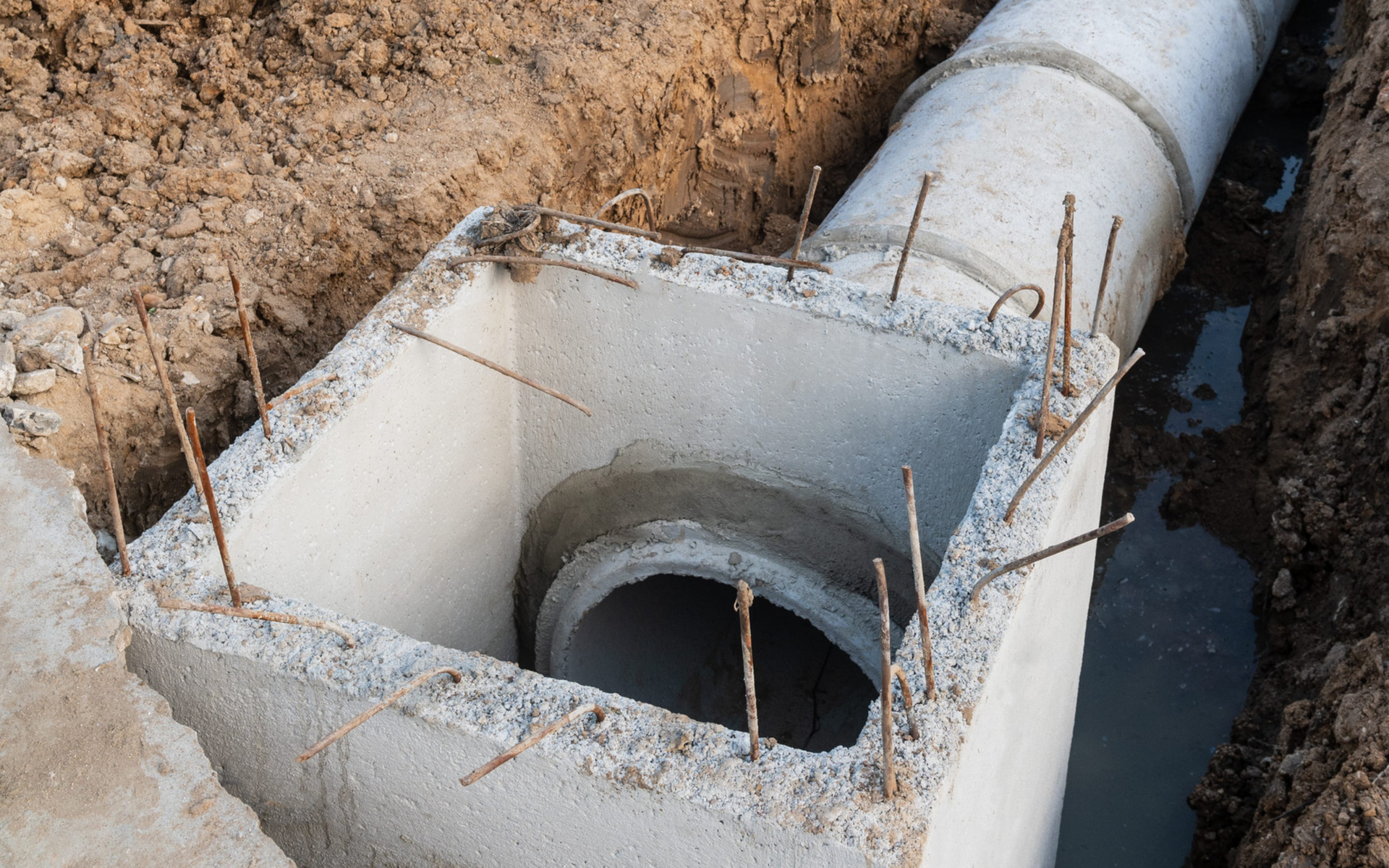

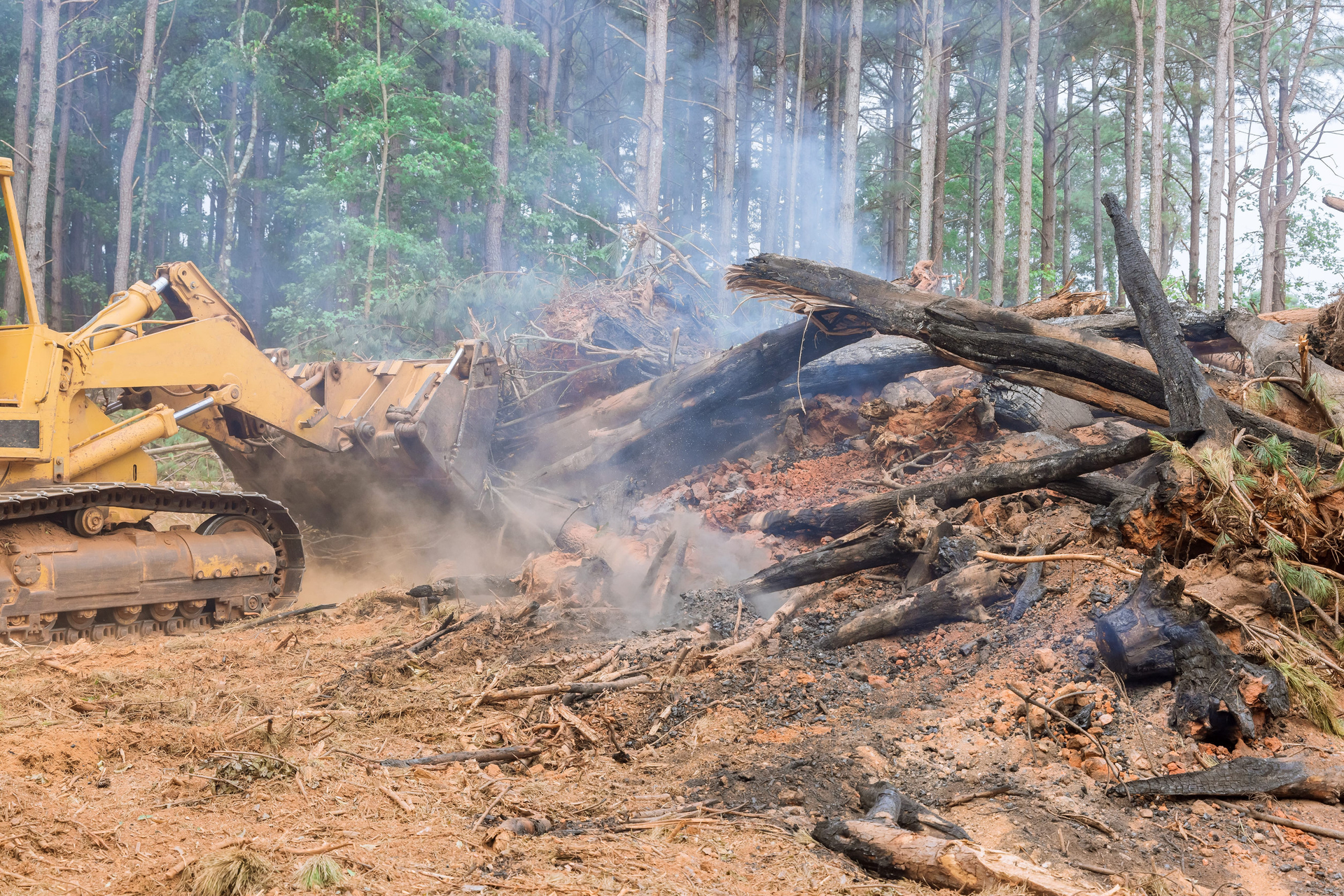
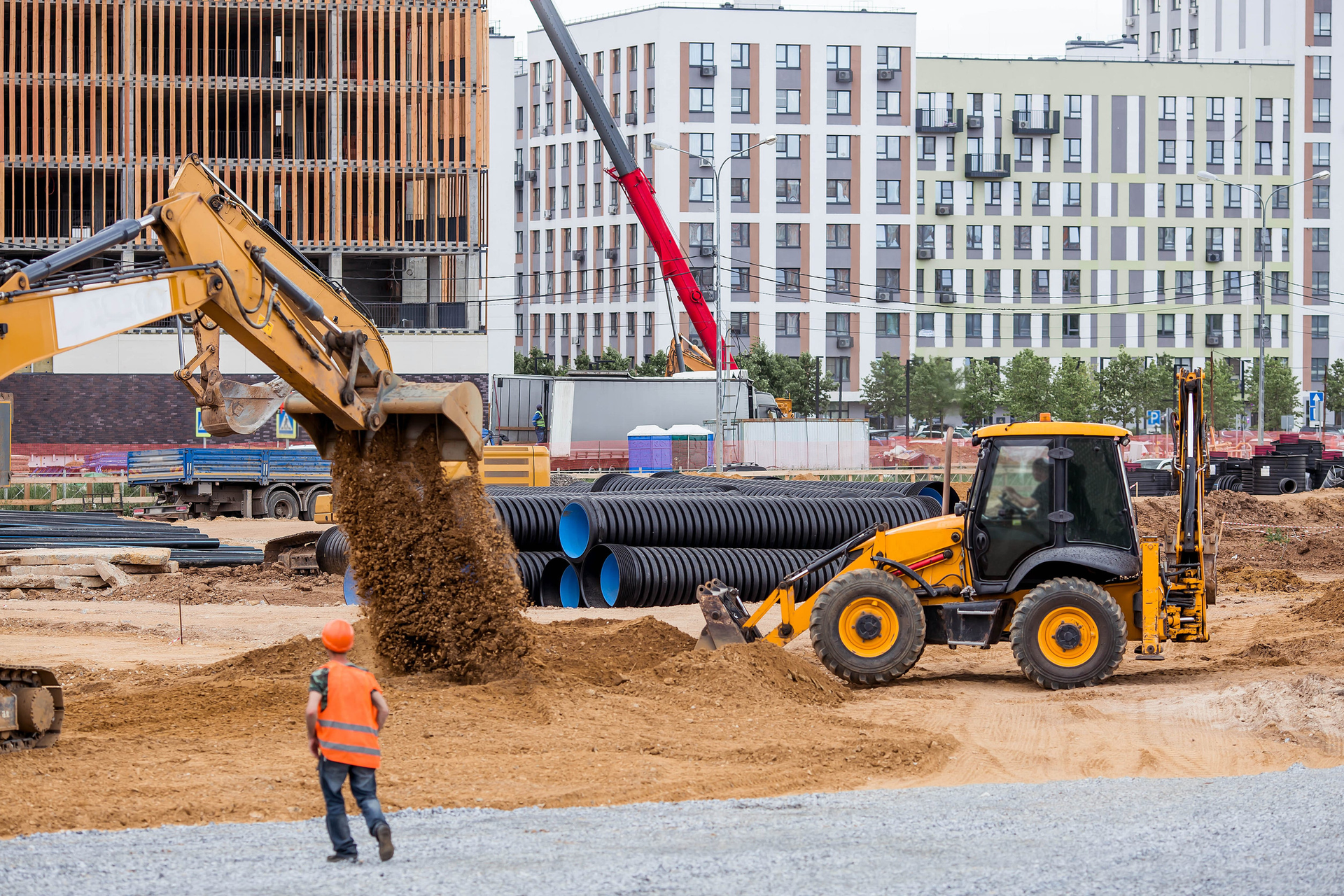
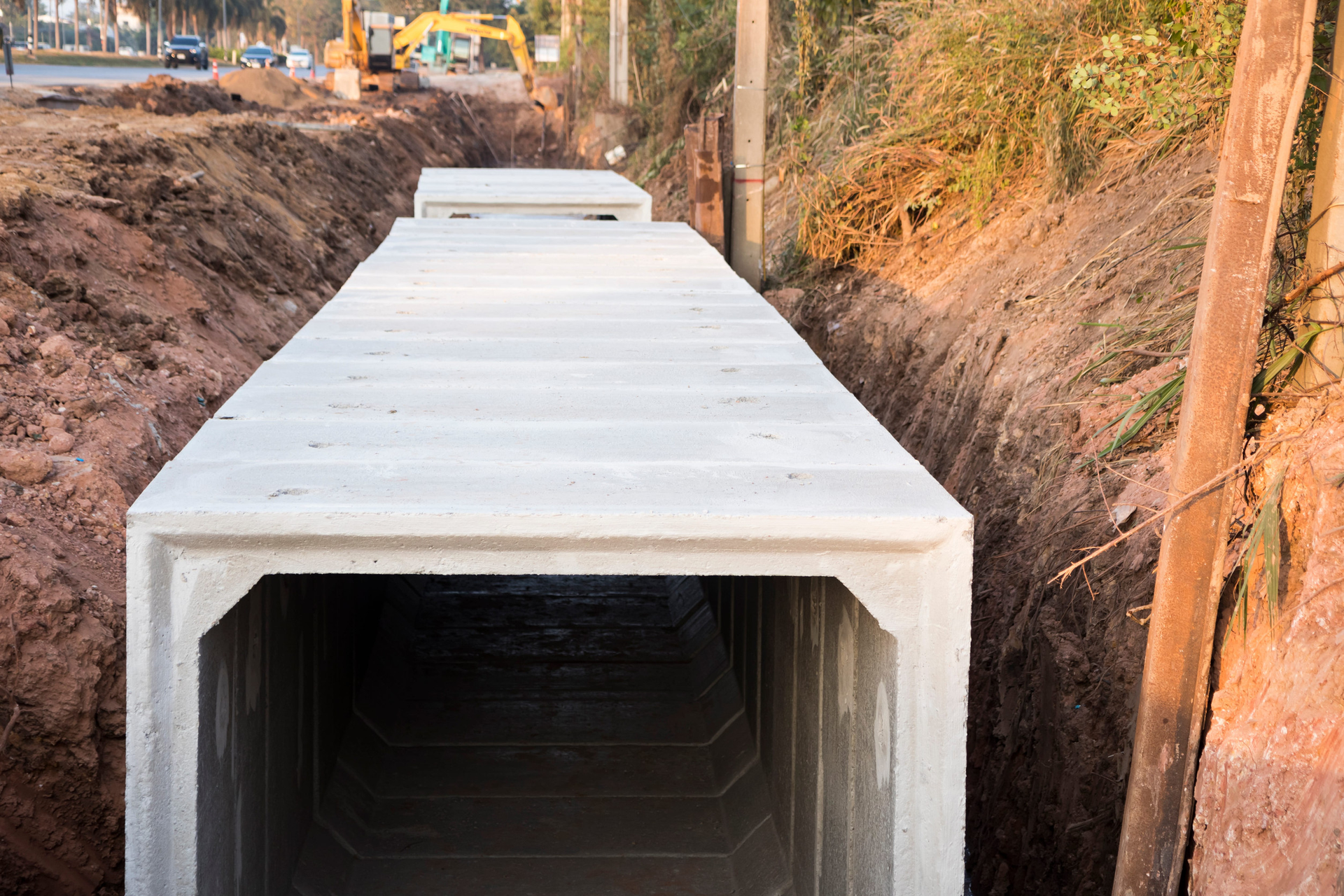
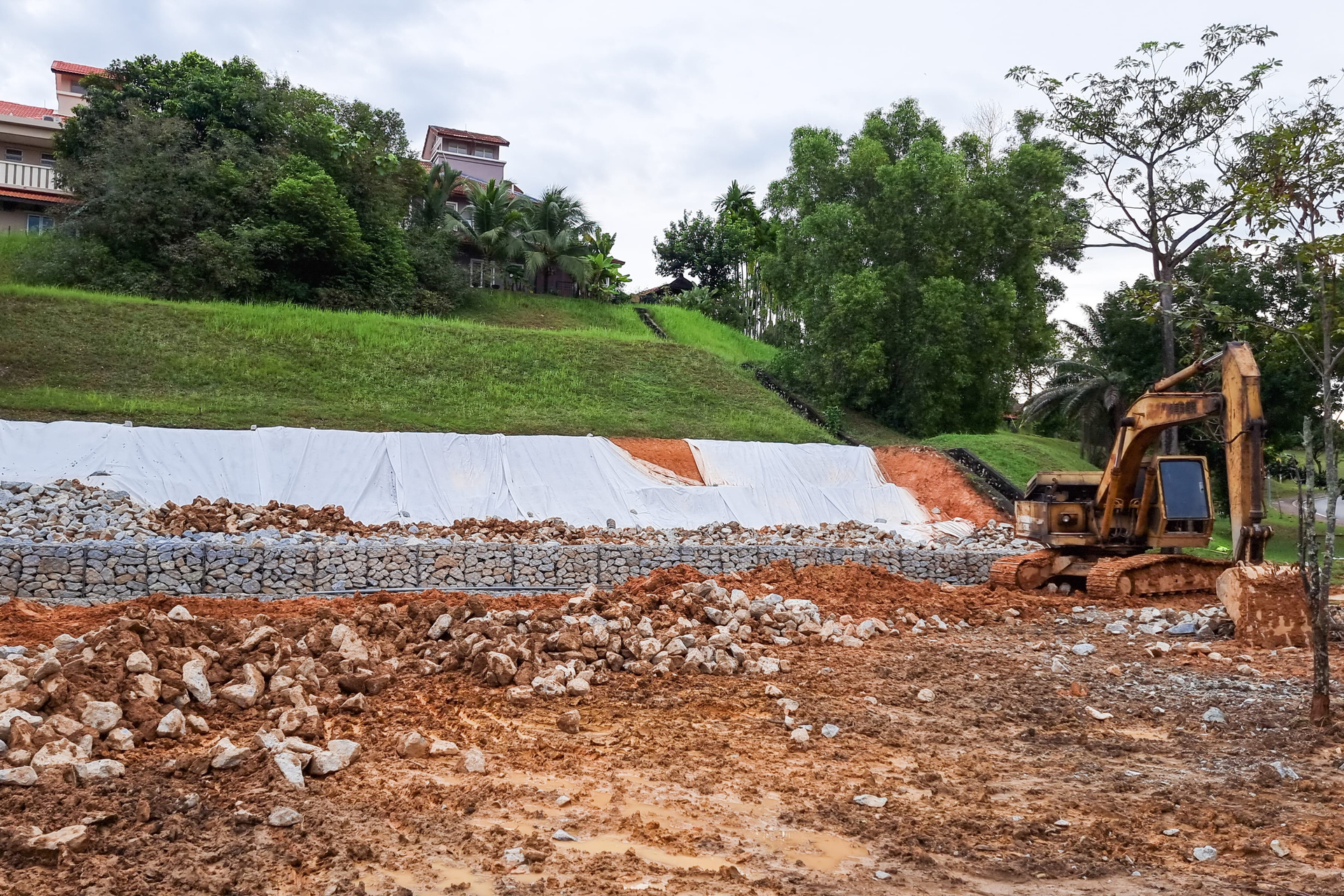
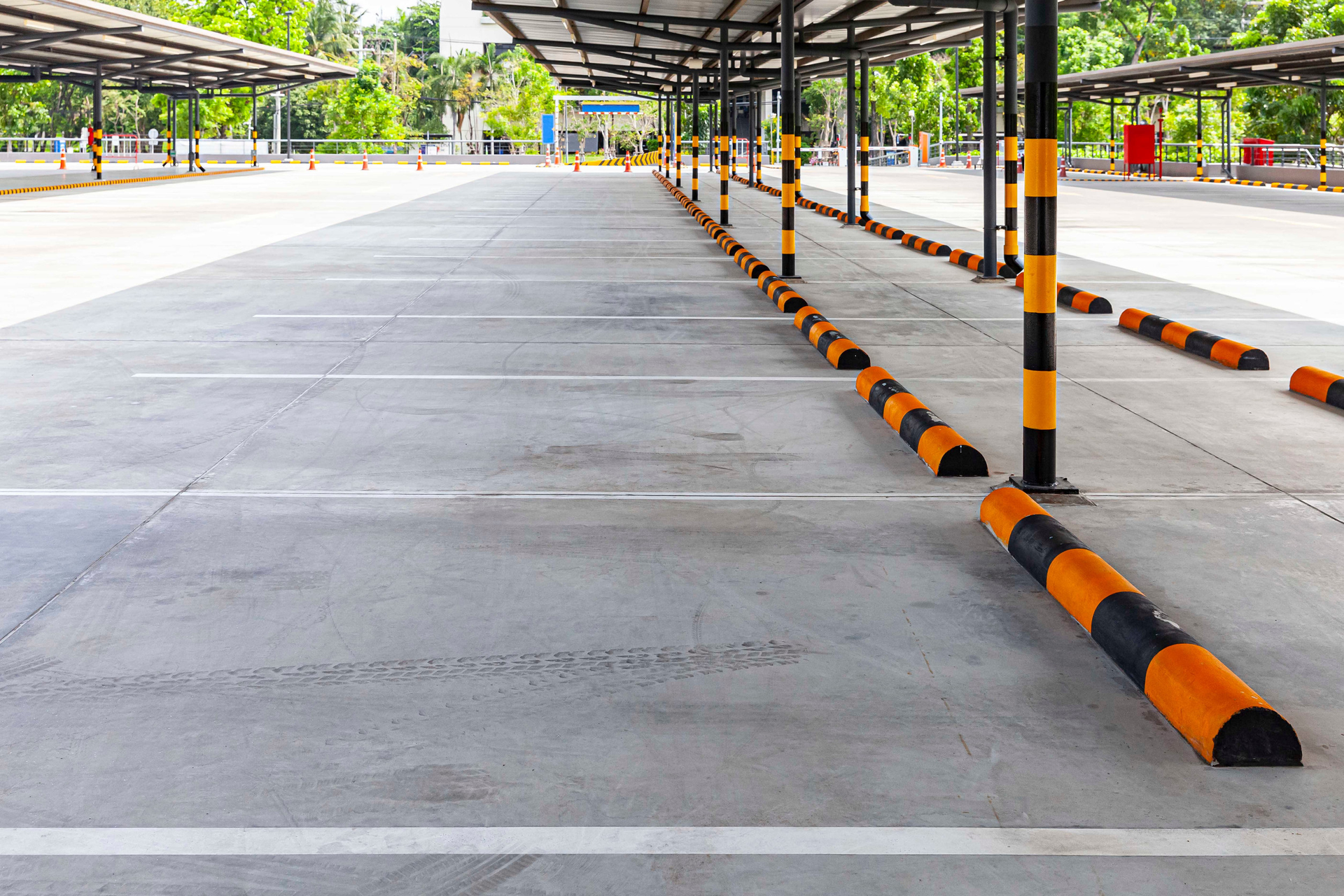
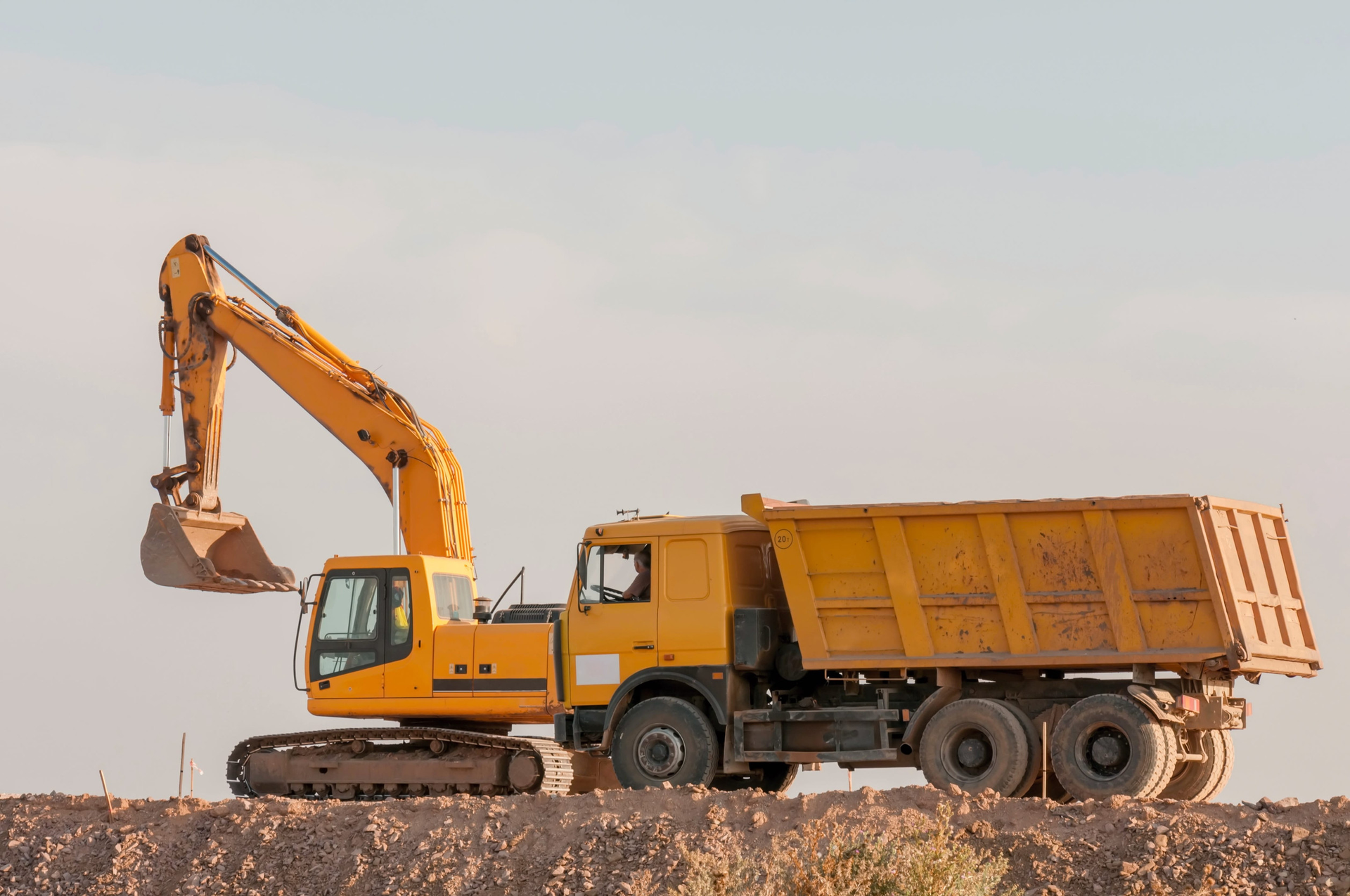
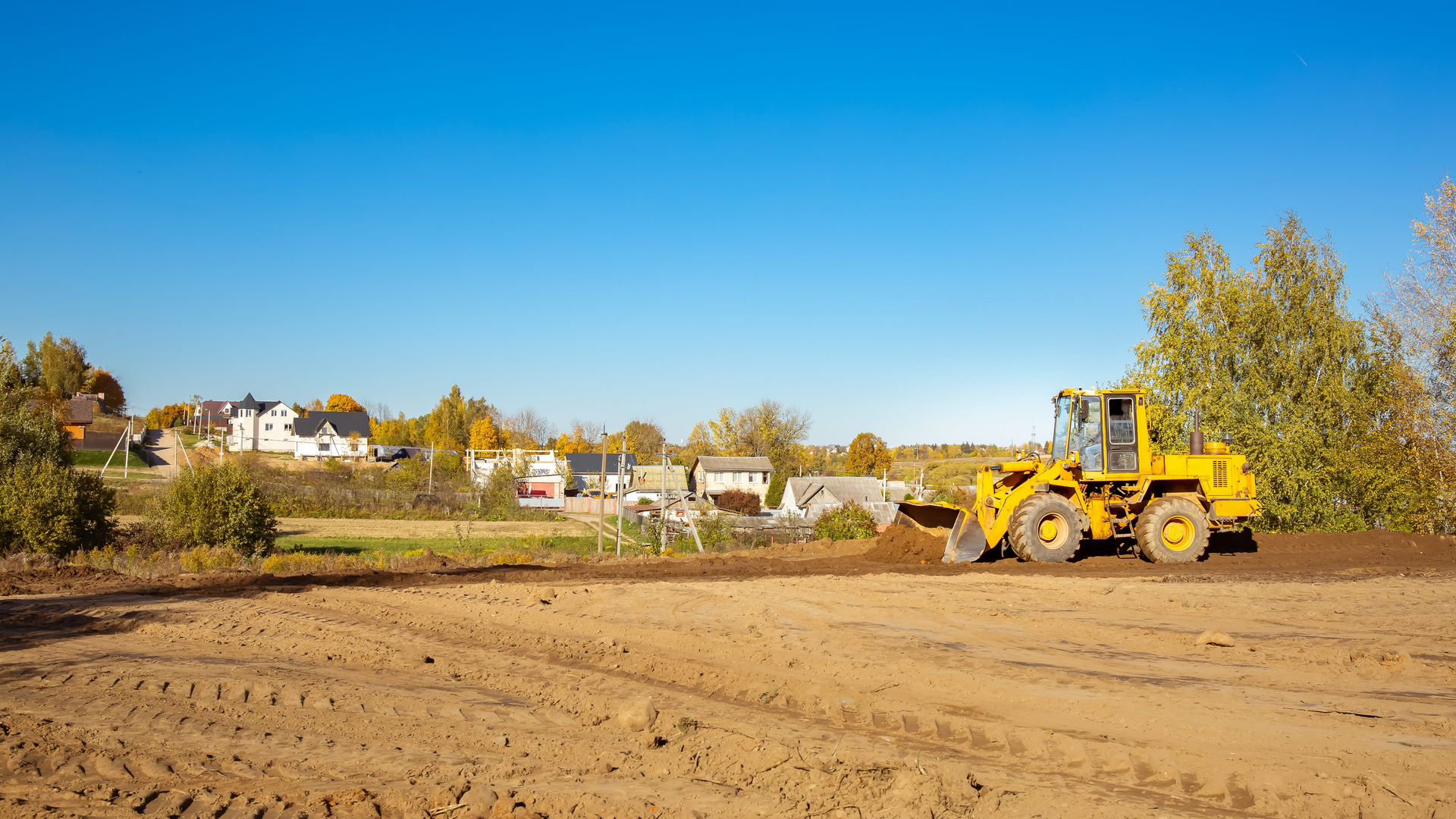




Excavation is one of the most important phases of site preparation. It creates the elevations, access, depth, space, and ground conditions needed for foundations, building pads, utilities, drainage, driveways, roads, ponds, and commercial development.
W Brown Construction LLC provides excavation for residential, commercial, rural, and construction properties throughout East Bend and the surrounding region.
The work may involve digging, removing unsuitable material, balancing cut and fill, shaping slopes, preparing foundation areas, opening utility routes, backfilling, compacting, and preparing the property for grading or construction.
Excavation should always be planned around the final use of the site. The right depth, slope, material handling, access route, and sequence depend on what the property must support after the digging is complete.
- Ground elevations that do not match the building plan
- Sloped or uneven terrain
- Unsuitable soil in a future building area
- Excess material that must be removed
- Low areas that require fill
- Foundation or footing areas that need excavation
- Poor access for equipment and deliveries
- Utility routes that need to be opened
- Drainage channels or swales that need shaping
- Building sites that require cut-and-fill work
- Old fill, buried debris, or unstable material
- Pond, basin, or water-management areas that need excavation
- Commercial sites that require complete rough preparation
- Existing grades that interfere with future structures, roads, or parking areas
- Water flows toward your house, shop, garage, or barn
- Puddles remain after surrounding ground has dried
- Your yard is difficult to mow or use
- Gravel washes off the driveway
- Tire ruts continue returning
- The property has visible high and low areas
- A future building site is uneven
- Excavation has left the ground rough
- Fill has settled
- A utility trench has sunk
- Soil is washing off a slope
- A new driveway or parking area needs shaping
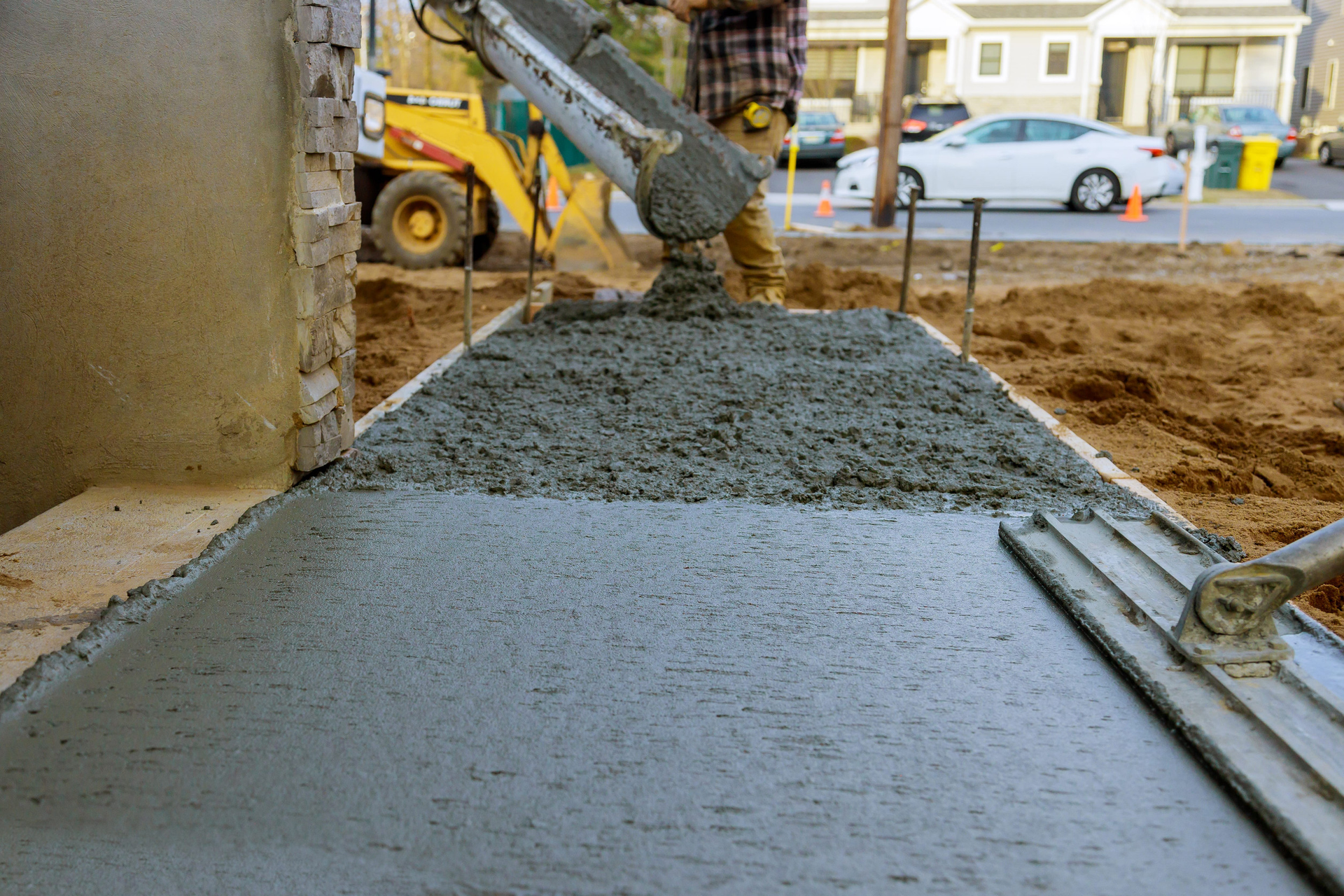
- Concrete or landscaping is planned
- A building pad needs transitions into the surrounding land
- You are unsure whether the site has enough drainage fall

Flat ground may seem ideal, but many properties need controlled slope to move water.
A yard should generally drain away from structures. A gravel driveway may need a crown or cross slope. A building pad must connect to the surrounding ground without trapping runoff. A commercial lot needs elevations that support traffic, drainage, and future surfaces.
- The natural terrain
- Existing drainage paths
- Soil conditions
- Building elevations
- Driveway connections
- Culvert locations
- Utility routes
- Planned concrete or gravel
- Slopes and property boundaries
- Safe drainage outlets
Making one area level without reviewing the surrounding property can move water into another problem area.
The grade should support the entire site.
Our Process


Services


Why Choose Us?


Primary service areas include:
East Bend
Yadkinville
Boonville
Jonesville
Elkin
Dobson
Pilot Mountain
Mount Airy
King
Rural Hall
Tobaccoville
Pfafftown
Lewisville
Clemmons
Winston-Salem
Walkertown
Kernersville
Mocksville
Advance
Bermuda Run
Harmony
Statesville
Lexington
Wilkesboro
North Wilkesboro
Blogs
FAQs
What is the difference between rough grading and finish grading?
Rough grading establishes the major elevations, slopes, cuts, fills, drainage paths, and overall shape of the site. Finish grading refines the surface around yards, buildings, driveways, parking areas, and other completed improvements.
Can grading fix standing water?
Grading can correct many surface-water problems by reshaping low areas and directing runoff toward a safe outlet. Some properties may also need culverts, drainage pipe, ditches, excavation, or subsurface drainage.
Can you level a yard?
Yes. Yard leveling may involve filling low areas, removing high spots, correcting settlement, improving drainage, spreading topsoil, and preparing the surface for future landscaping or seeding.
Can you grade an existing gravel driveway?
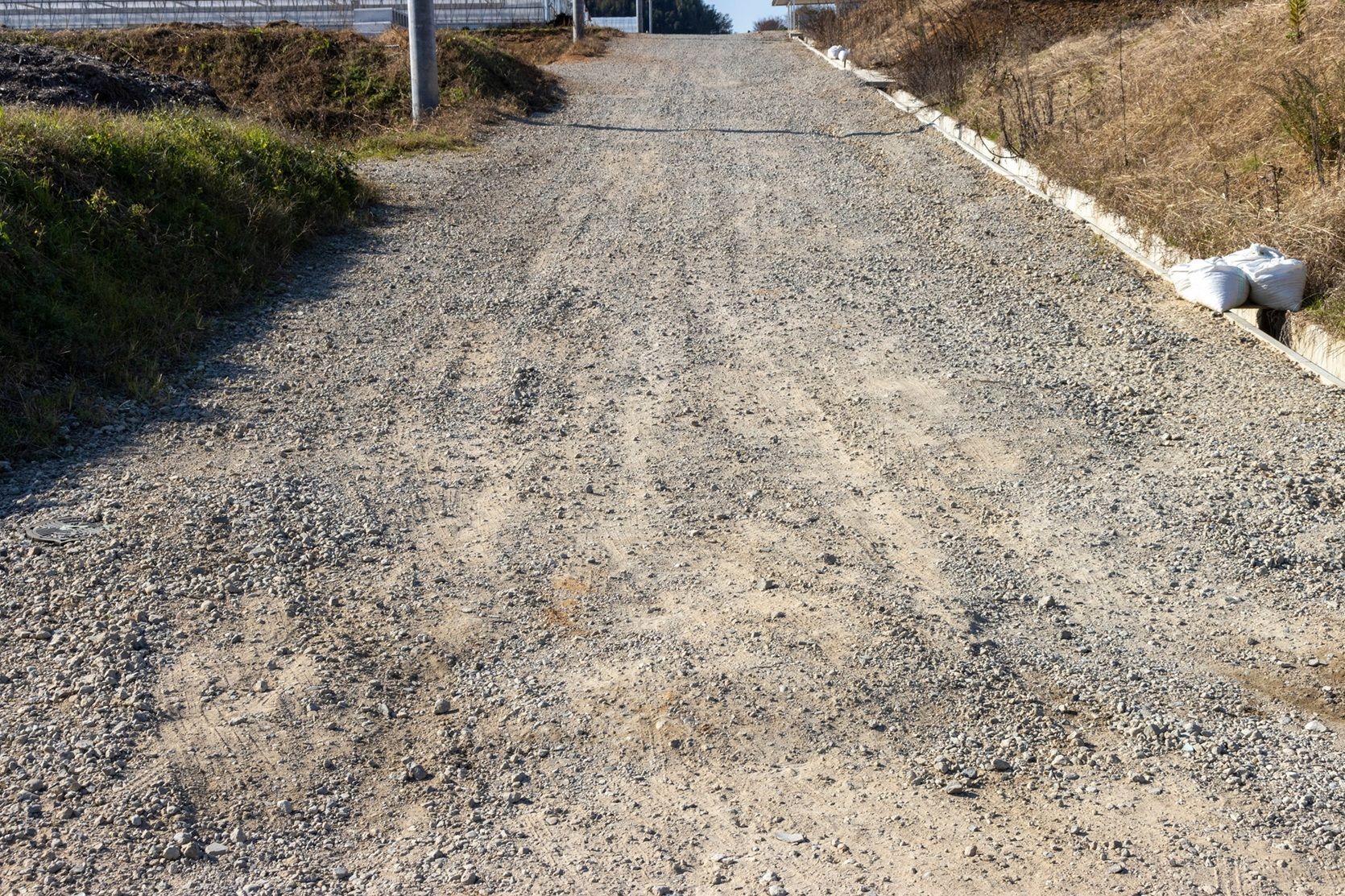
Yes. Driveway grading may restore the crown, correct ruts and potholes, shape shoulders, improve drainage, and prepare the surface for additional gravel.
Does grading require new material?
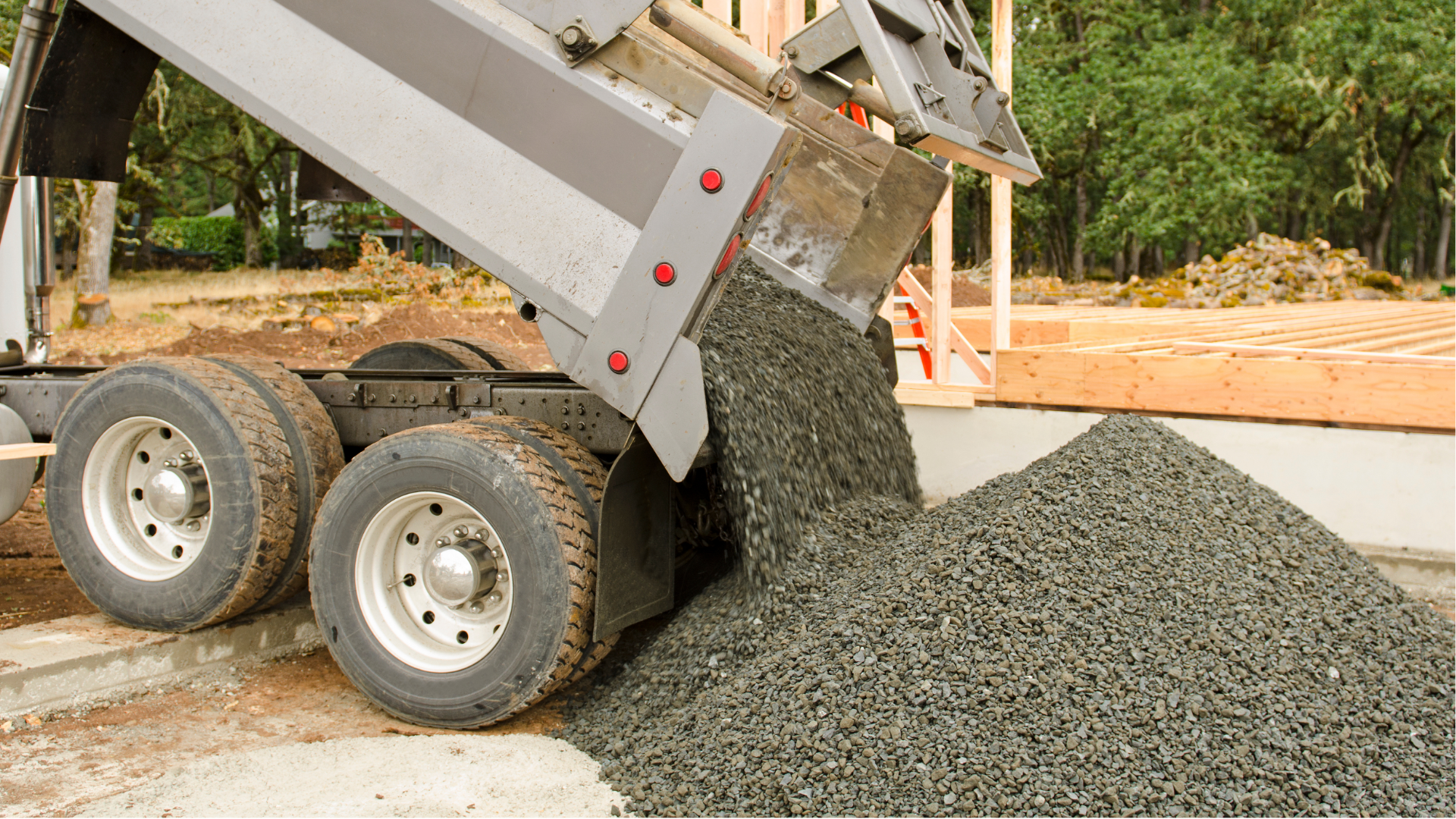
Sometimes. A project may need fill, base stone, gravel, or topsoil depending on the required elevation, soil condition, drainage, and finished use.
Should grading happen before concrete or landscaping?
Major grading and drainage work should generally be completed before permanent concrete, landscaping, or finished surfaces. Final grading is often completed after underground work and heavy construction traffic are finished.