


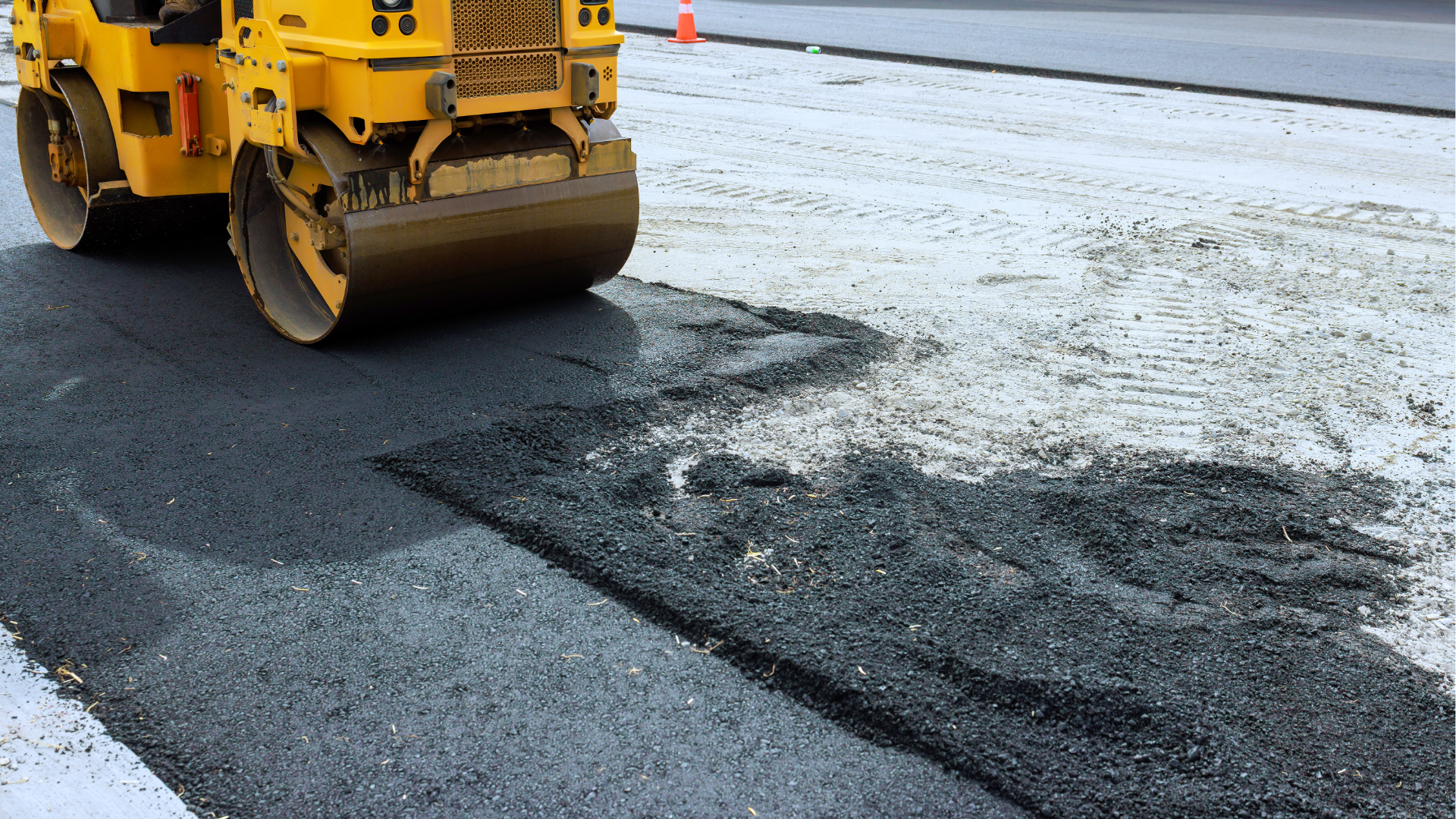

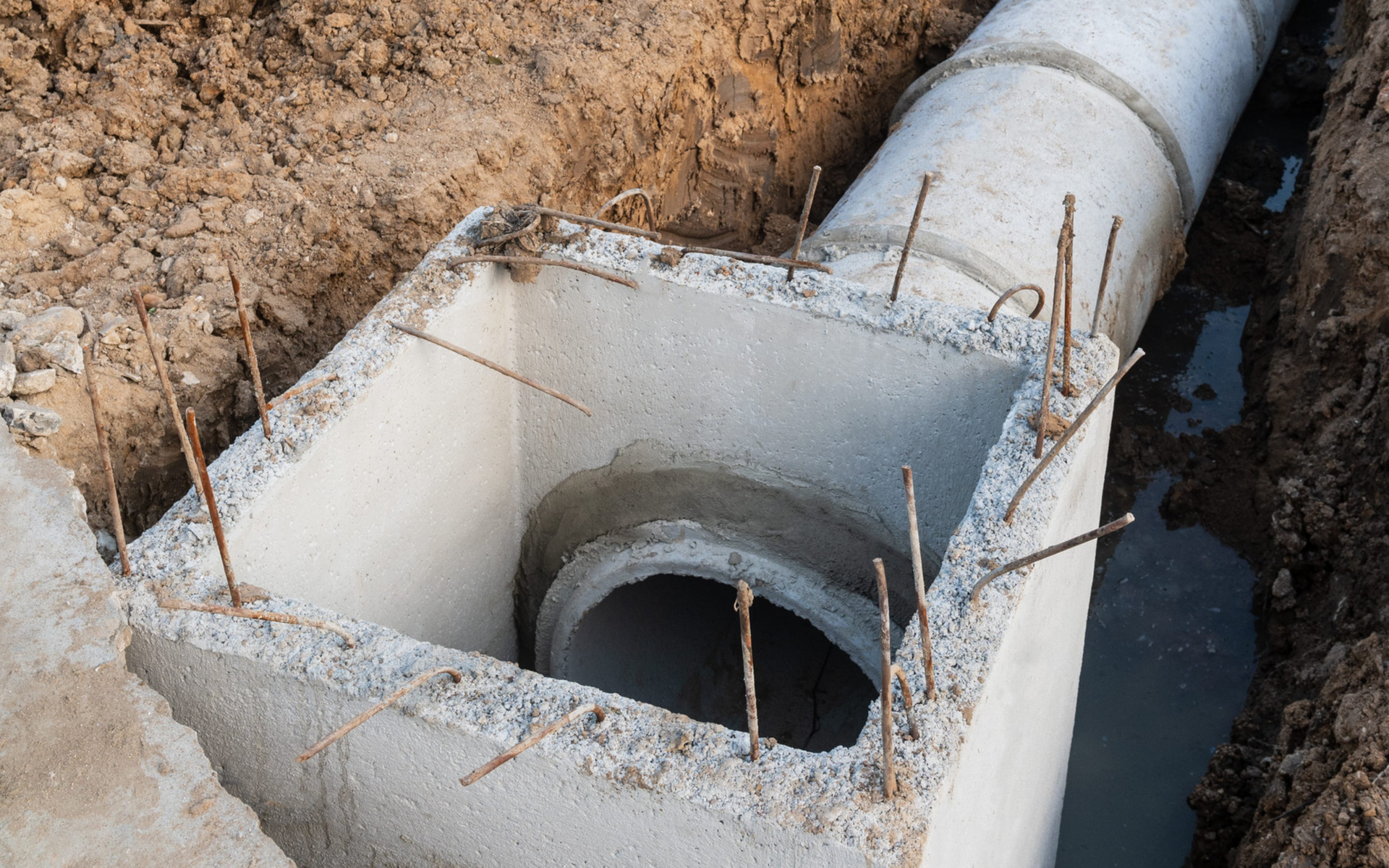
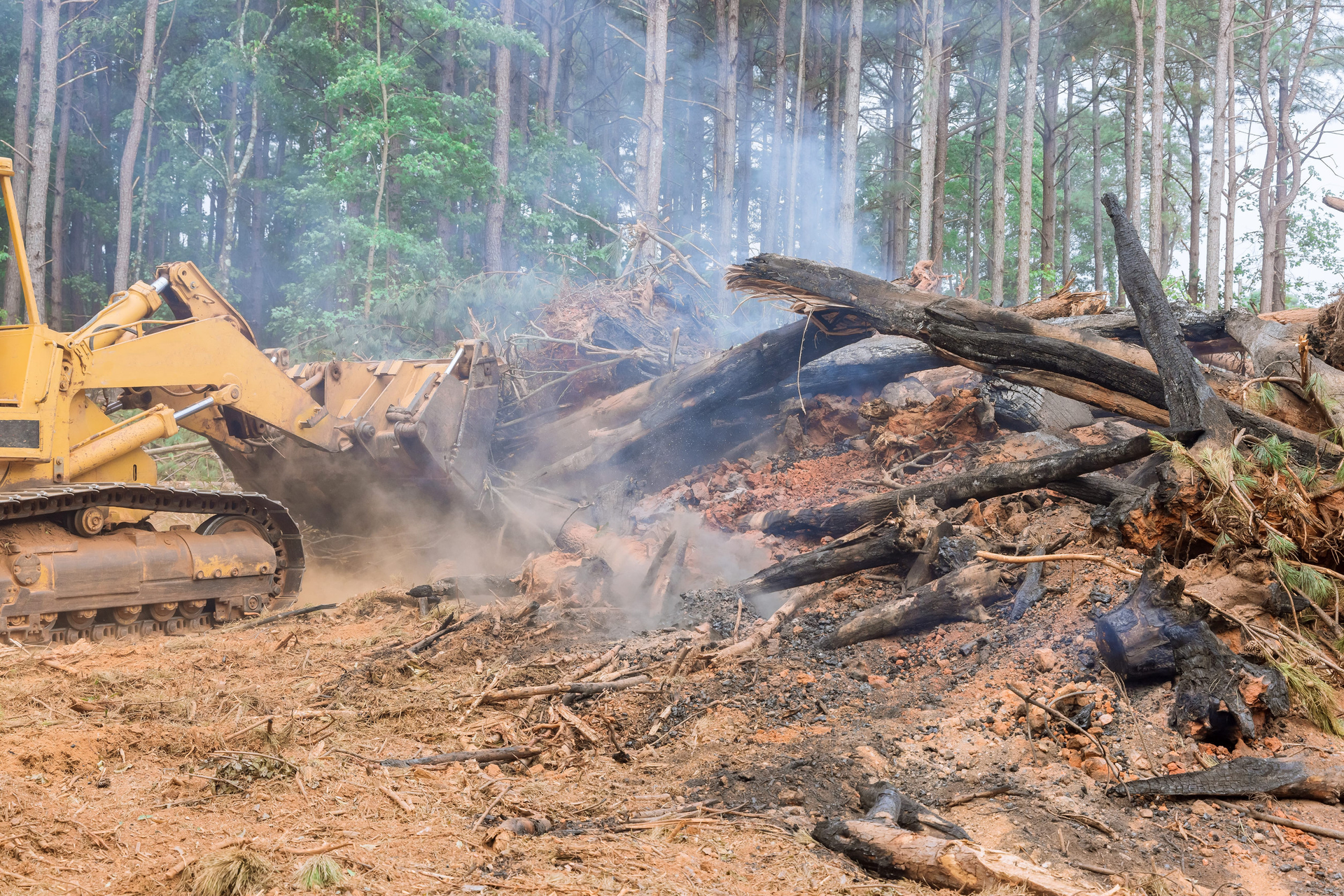
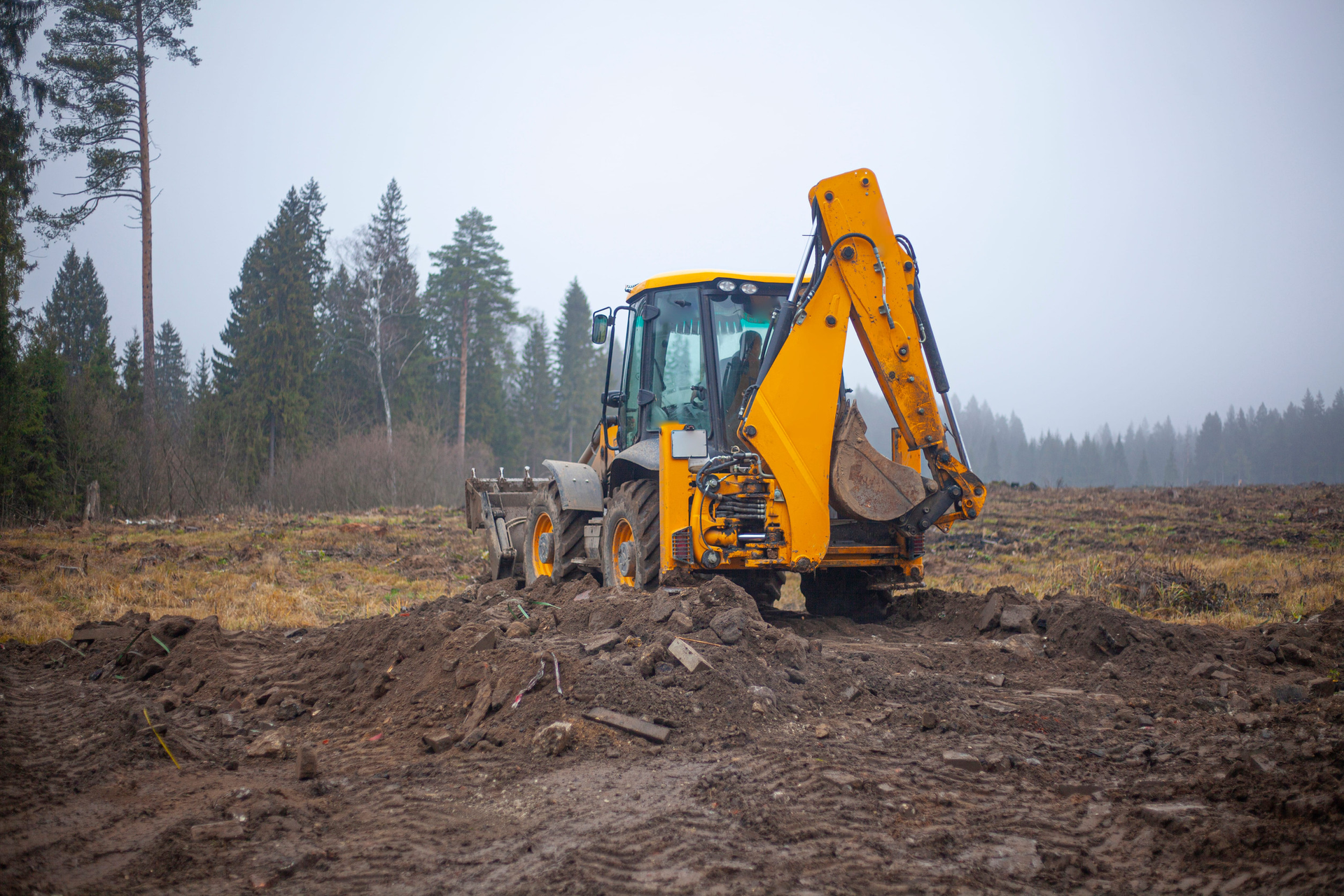
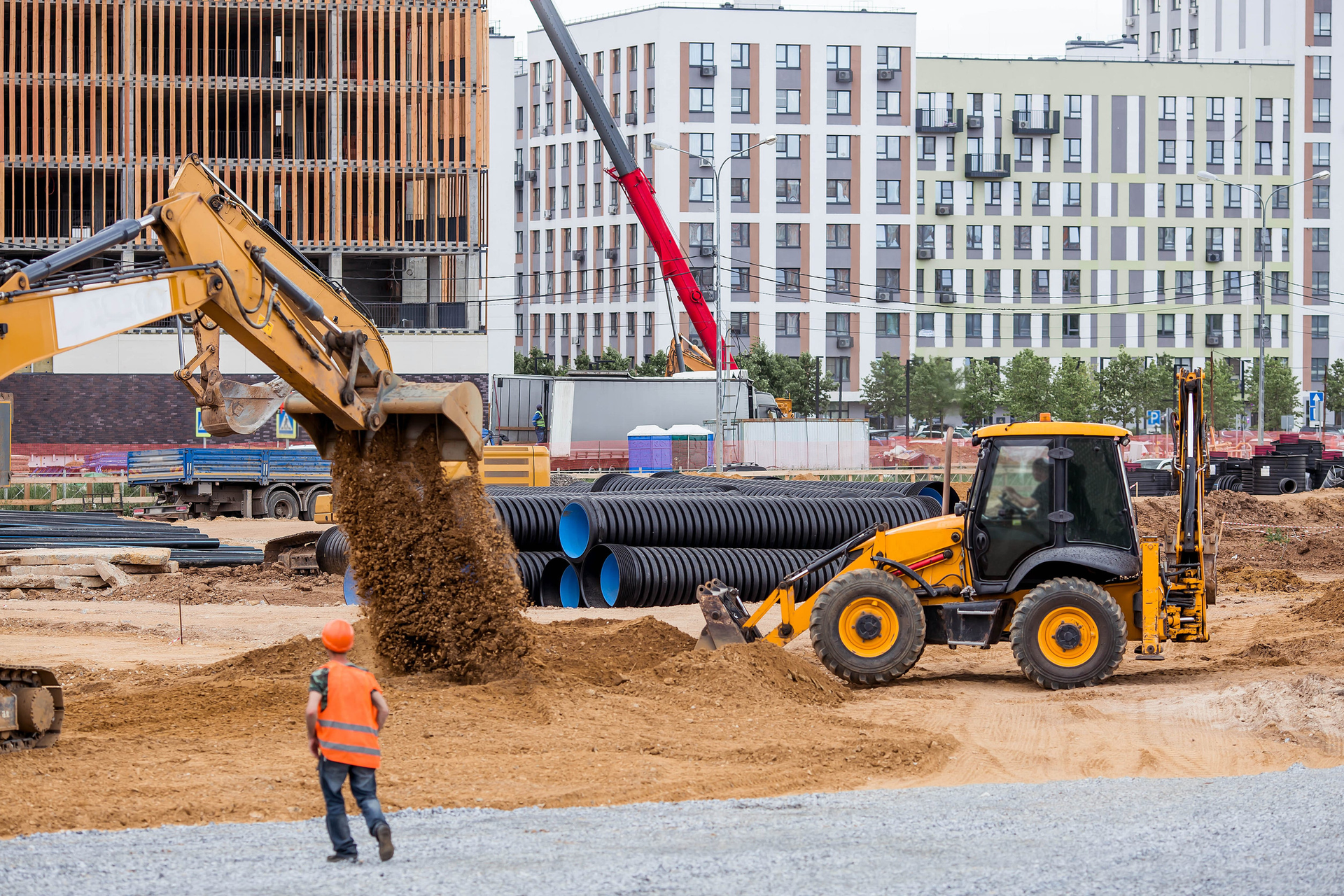
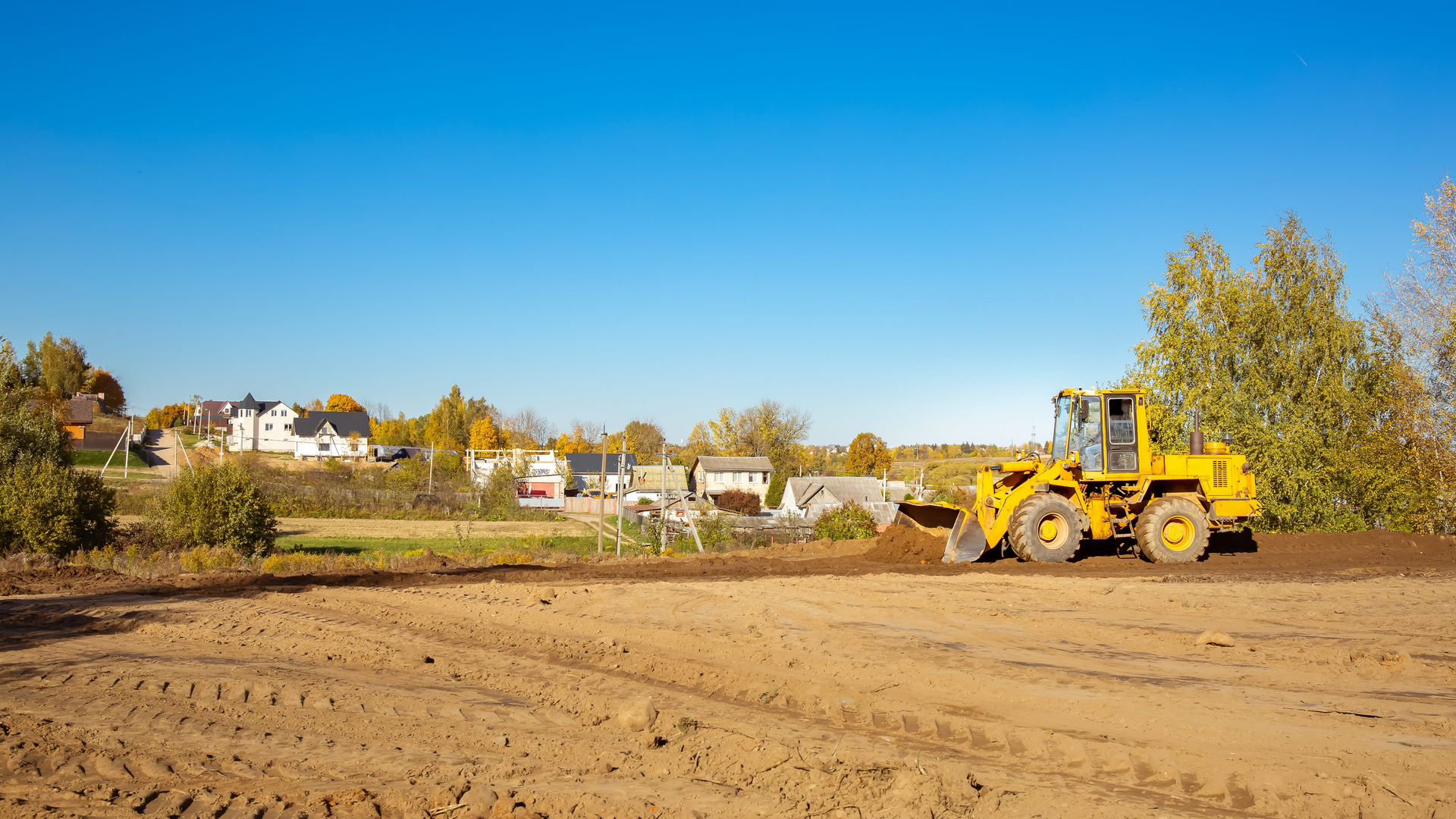
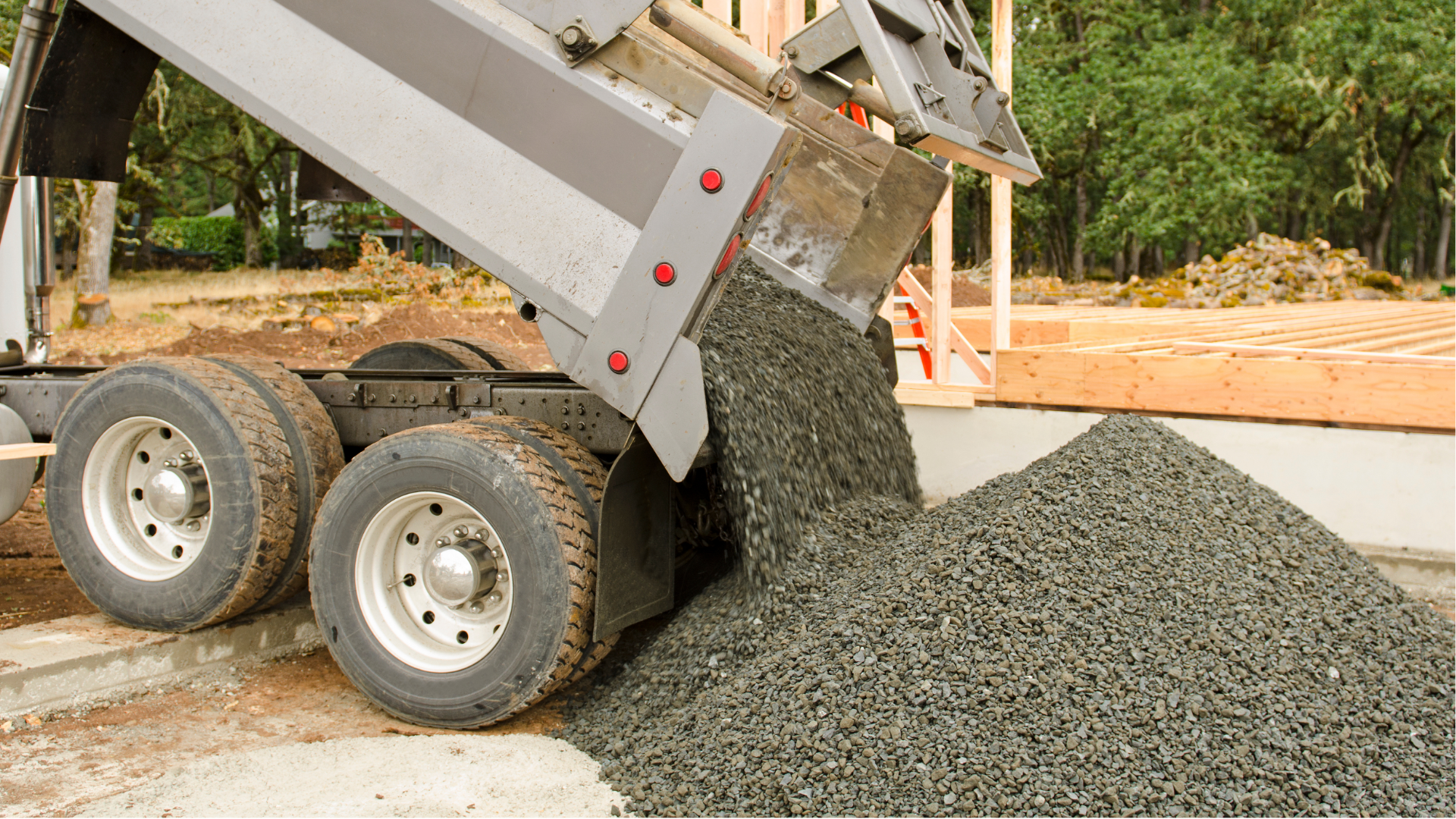
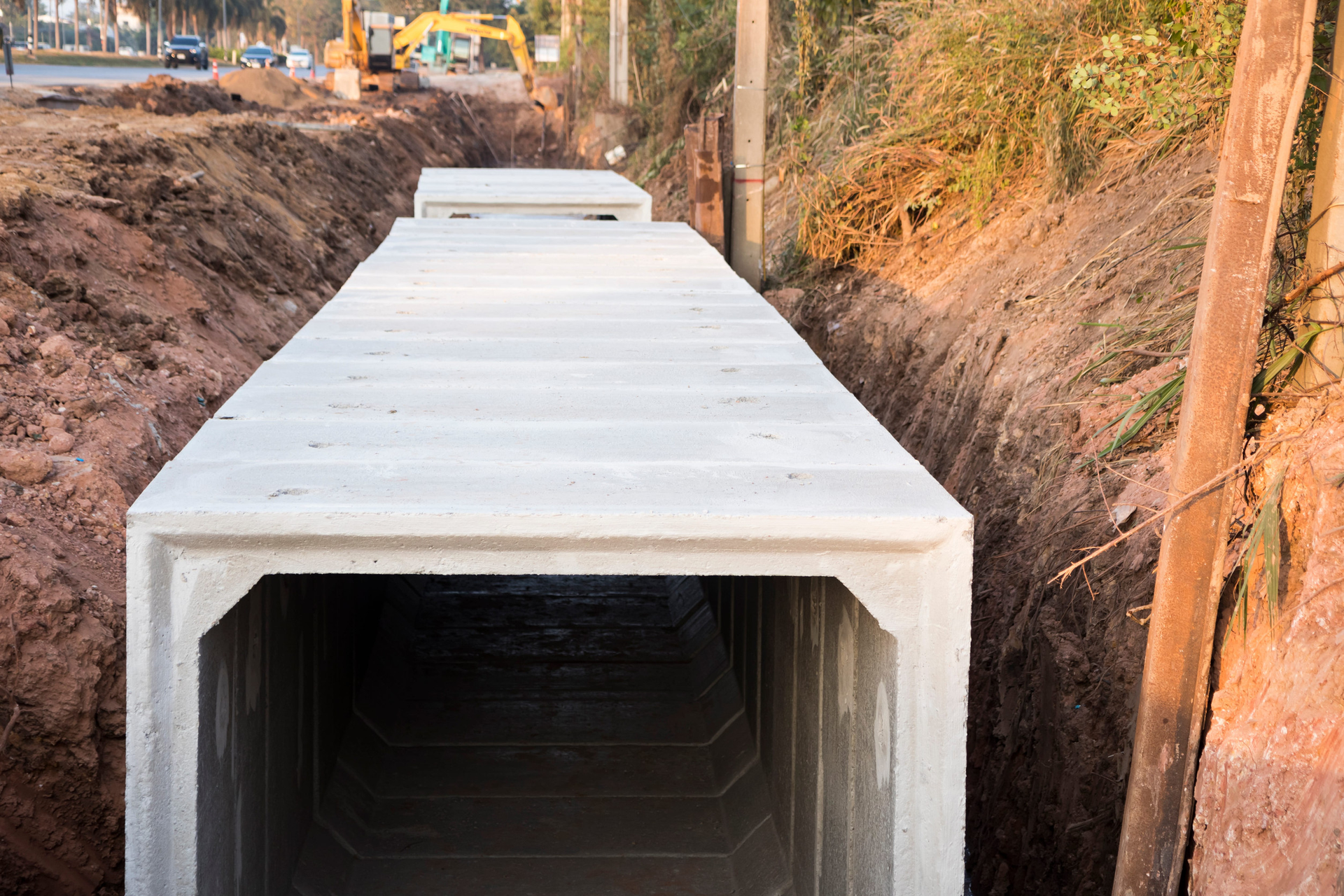
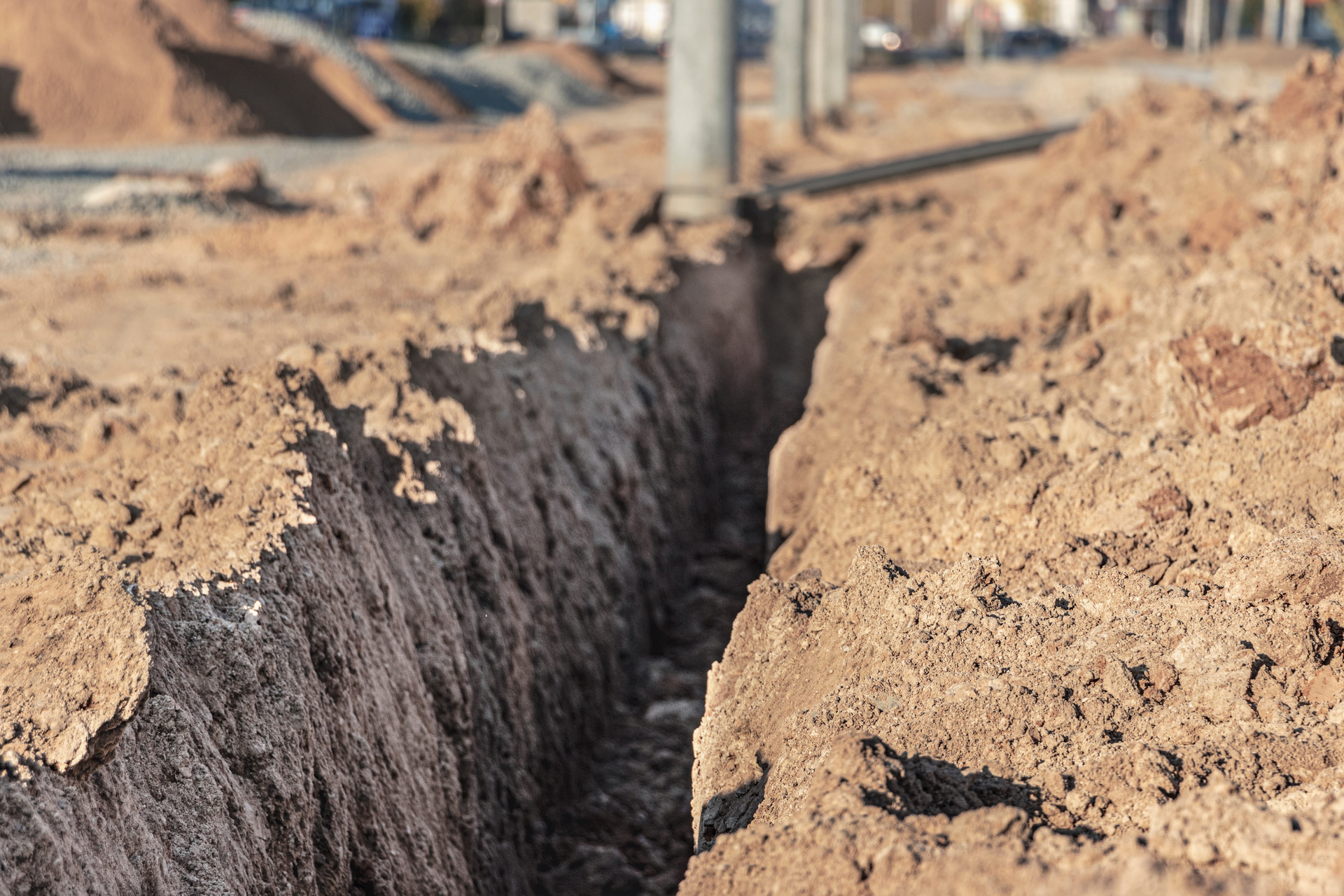
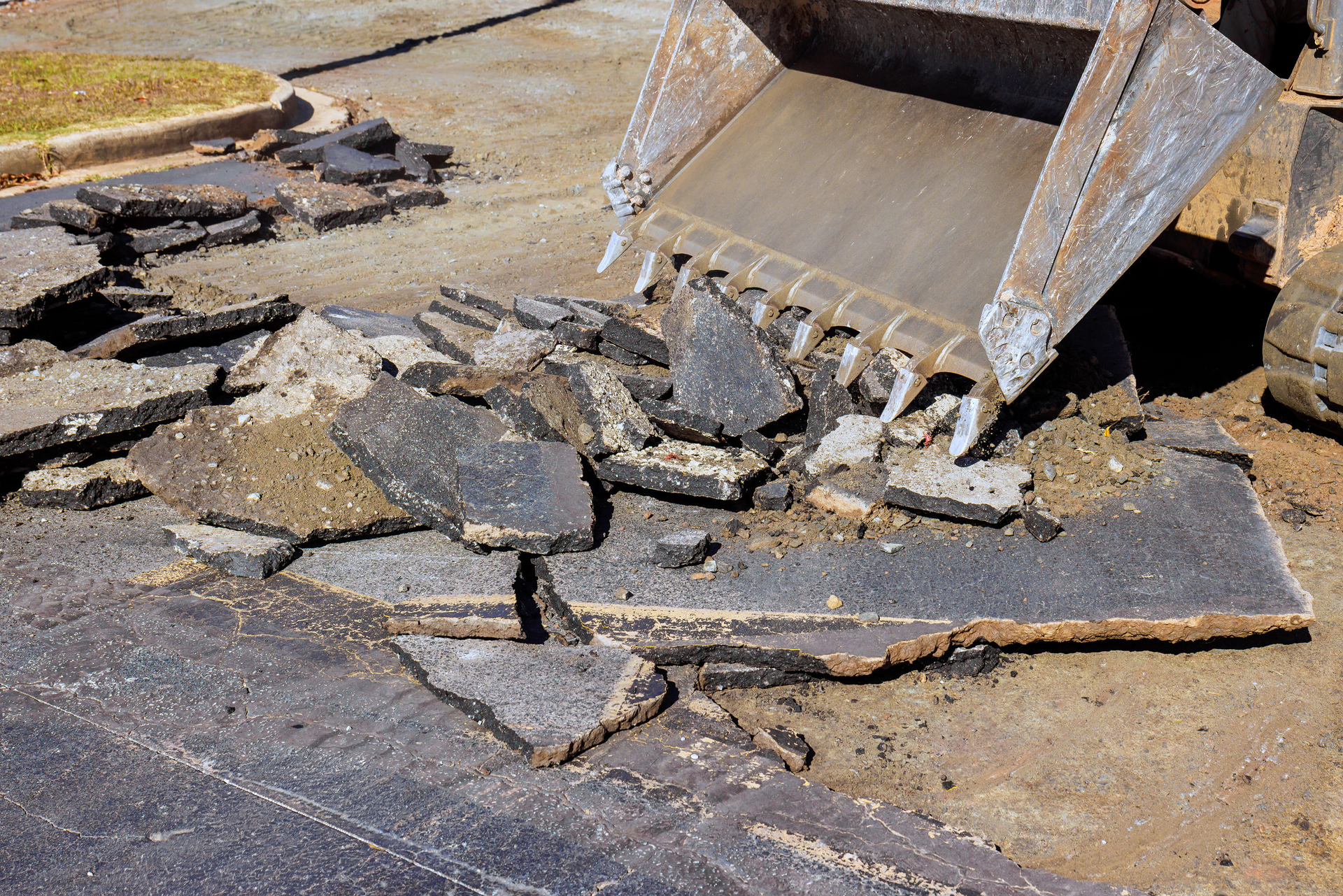
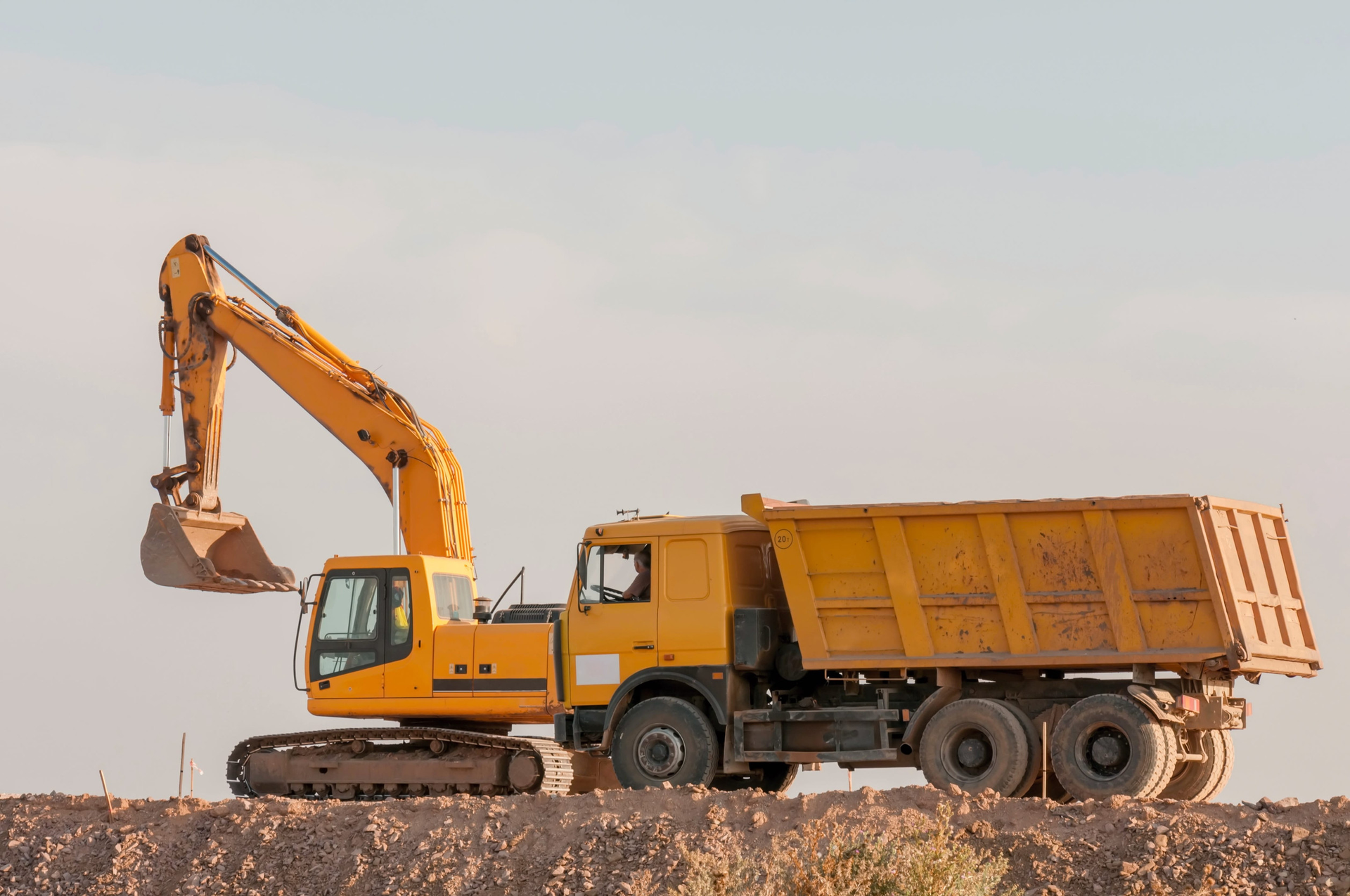
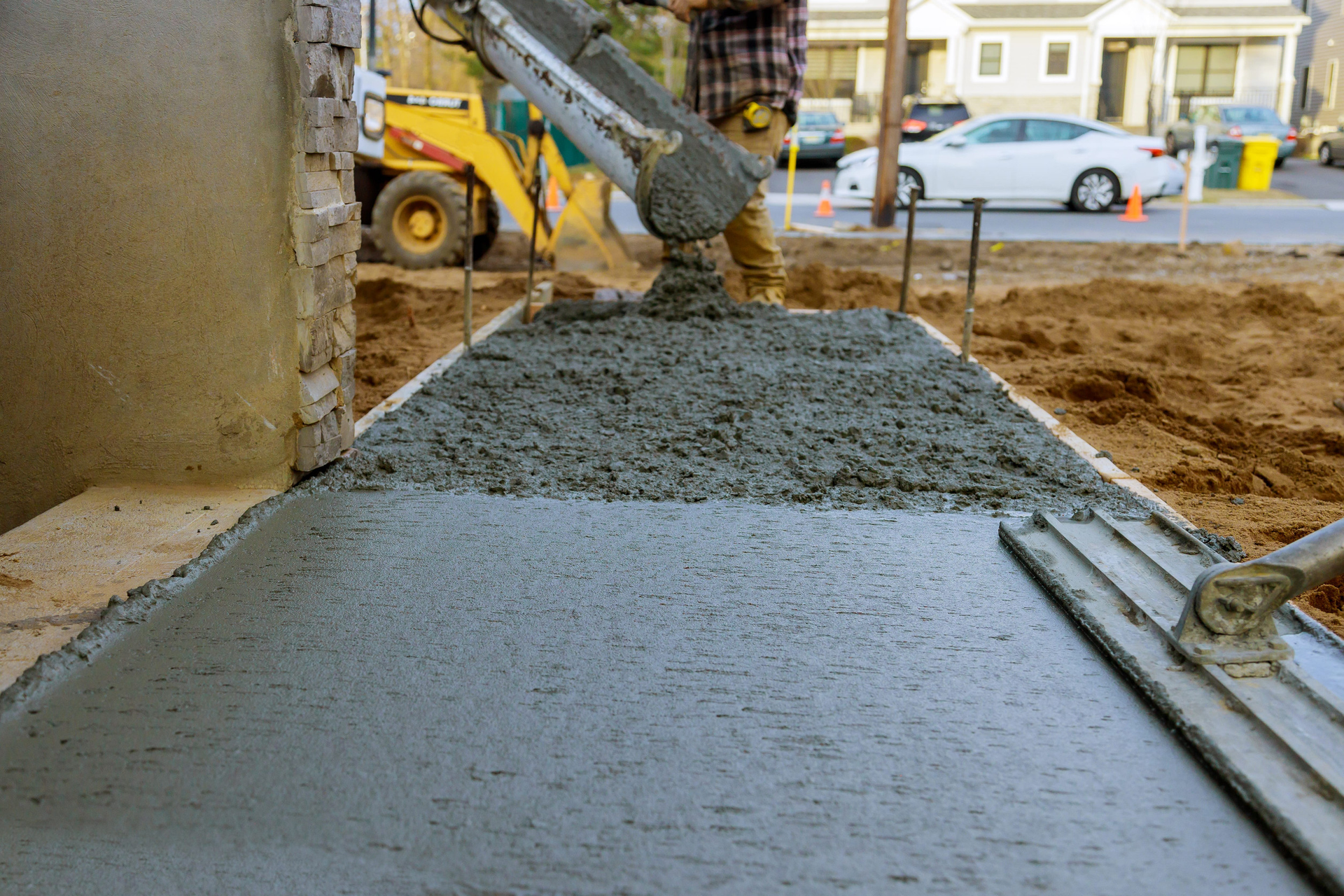


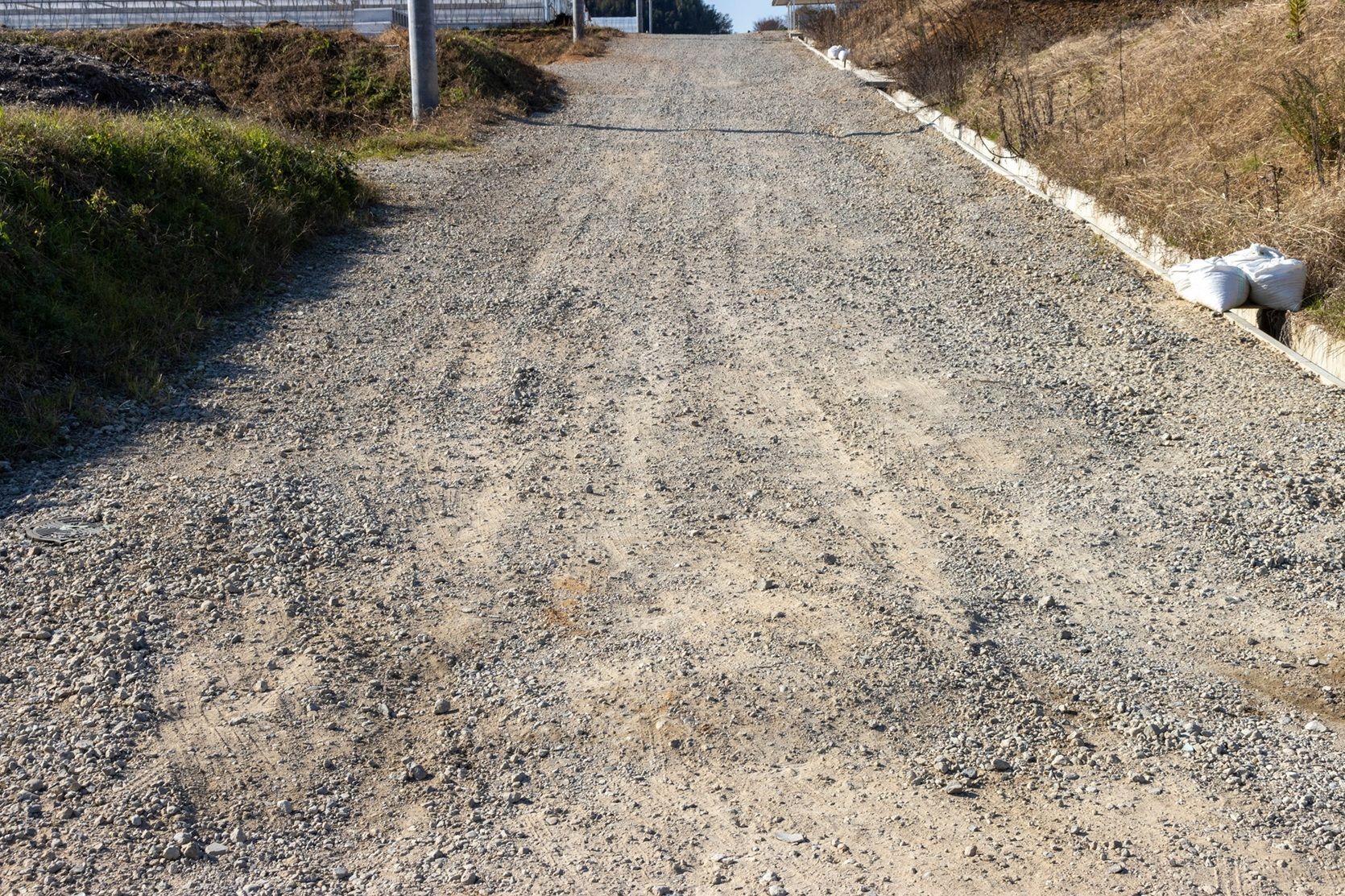


Grading controls elevation, slope, drainage, access, and how the finished property connects from one area to the next.
W Brown Construction LLC provides grading and leveling for residential properties, rural land, construction sites, driveways, commercial lots, building pads, drainage areas, and acreage around East Bend and surrounding communities.
The work may involve smoothing rough ground, lowering high areas, filling low spots, restoring driveway shape, correcting drainage, preparing a lawn, establishing building elevations, or blending a recently excavated site into the surrounding property.
Good grading is not simply making the ground look flat. The finished surface must match the property’s intended use while directing water where it belongs.
- Standing water in yards or low areas
- Ground sloping toward a building
- Rough or uneven land
- High spots interfering with construction
- Low areas collecting runoff
- Driveways that have lost their crown
- Ruts and potholes
- Poor transitions around building pads
- Washouts and erosion
- Soft areas caused by trapped water
- Yard settlement
- Uneven commercial lots
- Poorly shaped drainage paths
- Soil left rough after clearing or excavation
- Slopes that are difficult to maintain
- Sites that are not ready for gravel, concrete, landscaping, or construction
- The proposed structure sits on sloped ground
- The area contains topsoil, roots, brush, or stumps
- Water collects where the building is planned
- The ground becomes soft after rain
- Fill has already been placed but was not properly compacted
- The driveway elevation does not match the planned building area
- A house, shop, garage, barn, or metal building is being added
- The concrete contractor needs a prepared subgrade or base
- Utilities or septic work must be coordinated
- The site needs excavation before forming can begin
- The work area is too tight for concrete trucks or equipment
- The surrounding grade needs to move water away from the structure
- A previous structure or slab must be removed
- You are unsure whether the onsite soil can be reused as fill

A pad can look level while still being poorly prepared below the surface.
Topsoil, roots, stumps, brush, buried debris, loose fill, and saturated soil may not provide dependable support beneath buildings, slabs, driveways, or parking surfaces.
- Removing organic and unsuitable material
- Establishing the correct finished elevation
- Using suitable structural fill
- Placing material in controlled layers
- Compacting each phase appropriately
- Preparing the subgrade
- Installing base stone where needed
- Coordinating foundation and utility excavation
- Directing water away from the structure
- Blending the pad into the surrounding property
The building elevation should also work with the driveway, garage entrance, drainage, foundation type, and finished yard.
Preparing only the exact building footprint can leave too little room for equipment, foundation work, concrete access, slopes, and drainage.
Our Process


Services


Why Choose Us?


Primary service areas include:
East Bend
Yadkinville
Boonville
Jonesville
Elkin
Dobson
Pilot Mountain
Mount Airy
King
Rural Hall
Tobaccoville
Pfafftown
Lewisville
Clemmons
Winston-Salem
Walkertown
Kernersville
Mocksville
Advance
Bermuda Run
Harmony
Statesville
Lexington
Wilkesboro
North Wilkesboro
Blogs
FAQs
What types of building pads do you prepare?
We prepare sites for houses, shops, garages, barns, metal buildings, additions, slabs, equipment areas, and commercial structures.
Does a building pad need to be larger than the structure?
Often, yes. Additional room may be needed for foundation work, concrete access, equipment, drainage, slopes, utility routes, and construction staging.
Can onsite soil be reused as fill?
Possibly. The material must be evaluated for its intended use. Topsoil, roots, debris, saturated soil, and unsuitable material may need to be removed rather than reused beneath structural areas.
Do you provide base stone and gravel?
Material delivery and placement can be included depending on the project scope. The required material depends on the foundation, slab, access, soil, and construction plan.
Should utilities be installed before the pad is finished?
Utility routes should be planned early. The correct installation sequence depends on the structure and site, but underground work should be coordinated before final surfaces and finish grading are completed.
Can you prepare the driveway and drainage too?
Yes. Building-pad projects often connect with land clearing, excavation, gravel driveways, culverts, drainage, trenching, hauling, and final grading.