






Stop Water From Controlling the Property
W Brown Construction LLC helps residential and commercial property owners correct standing water, runoff, washouts, failed culverts, soft ground, erosion, and drainage paths that are damaging access, structures, slopes, and usable land.
Residential and commercial drainage projects • Grading, culverts, excavation, and erosion control • Full water-path planning • East Bend and surrounding communities
Tell Us What Happens When It Rains
Share the property location, where water enters, where it travels or collects, what it damages, and any photos or videos showing the problem.

Top form title here

top form text here

Orange bulldozer with a front blade and black tracks on a white background
Standing Water and Runoff Correction
Single thin black vertical line on a white background
Orange skid-steer loader with black bucket, shown in profile on a white background
Driveway Washout Repair
A thin black vertical line on a white background.
Orange crane truck with extended boom and hanging hook
Culvert and Ditch Work
Single thin black vertical line on a white background
Orange excavator with a hydraulic jackhammer attachment on tracked base
Grading and Excavation
Thin black vertical line on a white background
Orange backhoe loader with front bucket and rear excavator arm on a white background
Erosion and Slope Stabilization
Black vertical line on a white background
Red dump truck with orange cargo bed, side view on white background
Residential and Commercial Projects
Water Problems Usually Involve More Than One Low Spot

Before construction begins, the property may need much more than a cleared rectangle.


Equipment and delivery trucks need dependable access. The structure needs the right elevation. Water must move away from the pad. Utilities and septic routes must be planned. Cut and fill must connect the building area to the driveway and surrounding land.


W Brown Construction LLC helps prepare complete building sites for:

  • Houses
  • Shops
  • Garages
  • Barns
  • Metal buildings
  • Equipment buildings
  • Agricultural structures
  • Storage buildings
  • Commercial shops
  • Additions and detached structures

The exact site-work scope depends on the terrain, soil, access, foundation, drainage, utilities, and how the property will be used after construction.

What a Complete Drainage Correction Project May Include
Water-Source Evaluation
Identify runoff from slopes, roads, roofs, neighboring property, groundwater, springs, ditches, and developed areas.
Grade and Elevation Review
Evaluate high and low areas, building elevations, driveway slopes, fill, settlement, and natural drainage paths.
Standing-Water Correction
Open low areas, create fall, improve outlets, reshape grades, or install drainage features where surface water cannot leave.
Runoff Diversion
Use swales, ditches, berms, grading, or drainage structures to redirect water before it reaches vulnerable areas.
Culvert Installation or Replacement
Prepare driveway and road crossings with proper pipe elevation, bedding, backfill, cover, inlets, outlets, and compaction.
Drainage Pipe and Catchment Work
Install pipe, catch basins, channel drains, French drains, or related features when open drainage alone is not enough.
Driveway Drainage Repair
Restore crowns, ditches, crossings, soft areas, shoulders, base, gravel, and safe water outlets.
Erosion and Washout Repair
Rebuild damaged ground, stabilize channels, protect outlets, reshape slopes, and install riprap or other protective material.
Soft-Ground Correction
Remove saturated or unsuitable soil, improve drainage, place suitable material, and rebuild traffic or construction areas.
Pond, Basin, and Spillway Work
Improve water-storage areas, banks, inlets, outlets, overflow routes, and sediment control.
Final Grading and Stabilization
Blend repaired areas into the surrounding property and protect exposed soil from future erosion.
When Water Is Affecting More Than One Part of the Property
This project approach can help when:
  • The building area is wooded or overgrown
  • The property has no dependable driveway
  • The proposed site sits on a slope
  • Water collects near the planned structure
  • The ground contains topsoil, roots, debris, or soft material
  • A pad must be raised with fill
  • High ground must be excavated
  • The driveway and pad elevations do not connect
  • A culvert is needed at the entrance
  • Construction vehicles cannot safely reach the site
  • Utility and septic routes have not been coordinated
  • An old structure or slab must be removed first
  • Excess soil or debris must leave the property
  • Fill slopes need stabilization
  • Several contractors would otherwise need to overlap
  • The owner knows what they want to build but not which site-work phases are required
The larger goal is to create a controlled route for water and repair the ground that has already been damaged.
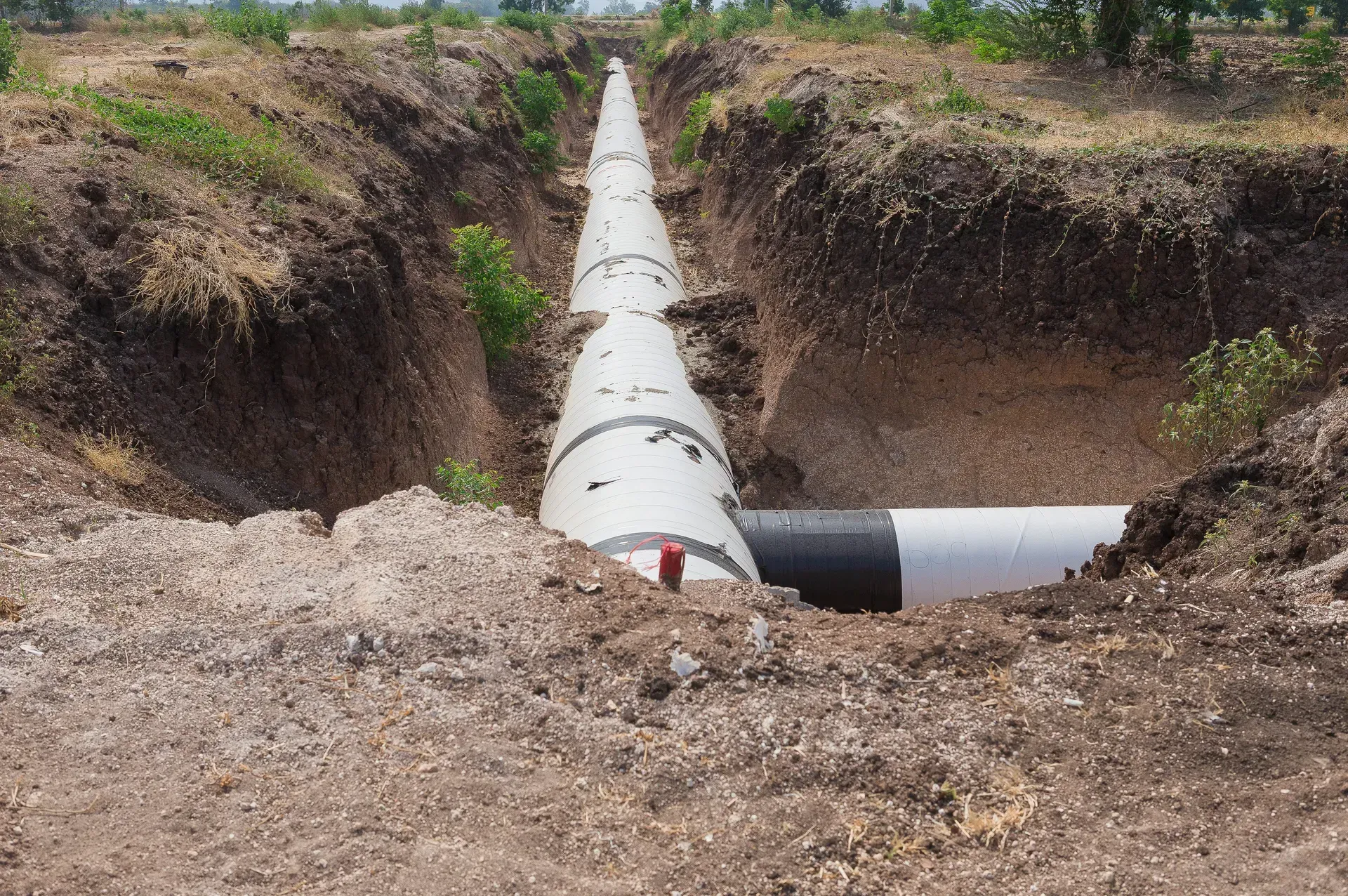
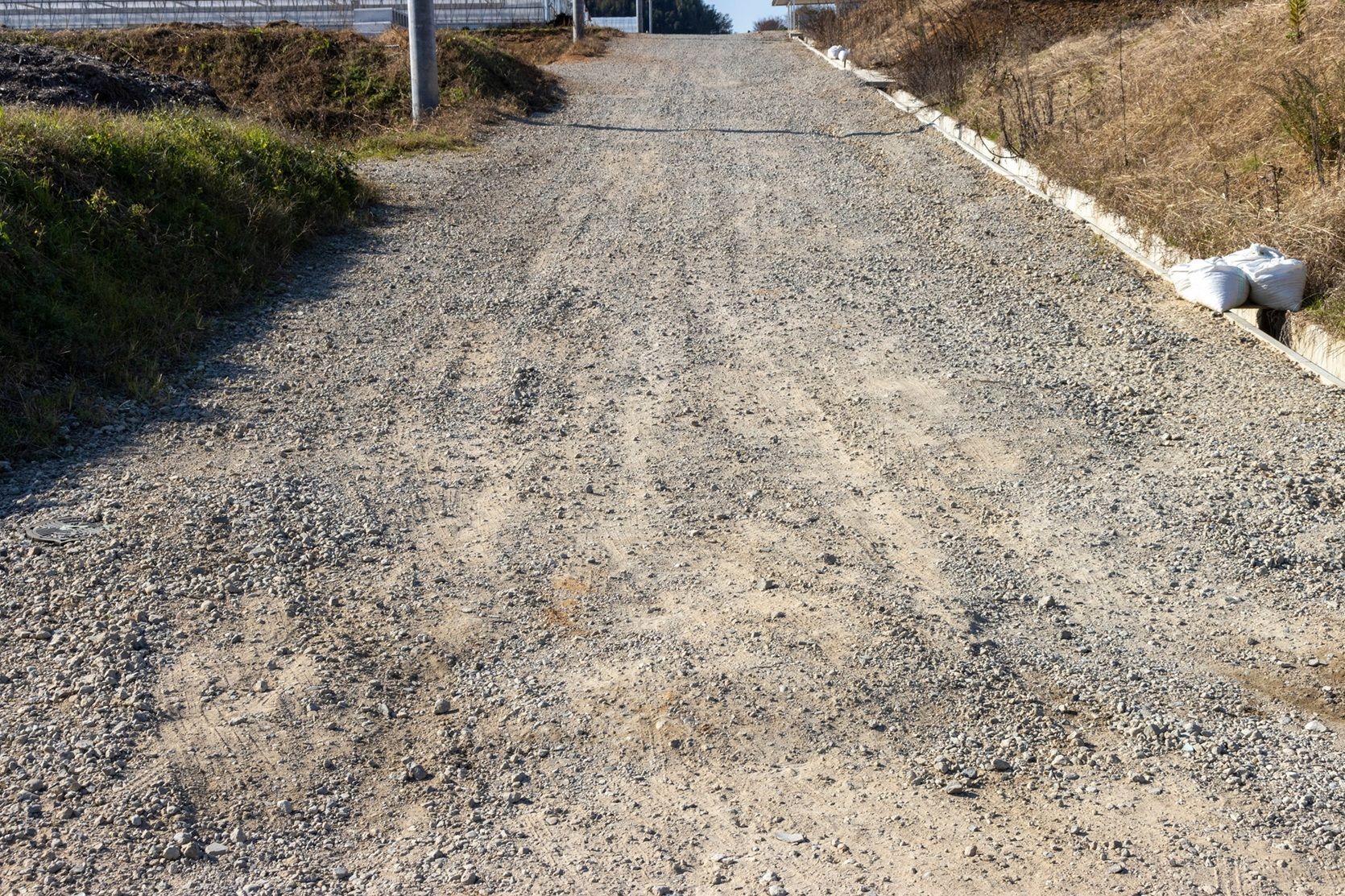
Large corrugated pipe laid in a dug trench with dirt piles on both sides

Our Process

How a Drainage Correction Project Moves Forward
Black checkmark inside an outlined square checkbox icon.
1. Document the Symptoms
We begin with where water appears, when it happens, what areas are damaged, and what repairs have already been attempted.
2. Review the Property
The site is evaluated for terrain, structures, roads, driveways, ditches, culverts, soil, fill, ponds, neighboring elevations, and possible outlets.
Black checkmark in a square checkbox icon
3. Follow the Water Path
The source, entry point, flow direction, collection area, and discharge route are identified.
Black checkmark inside a square outline, indicating a checked checkbox.
Black checkmark inside a square checkbox icon on a white background
4. Define the Required Work
The project may include grading, excavation, pipe, culverts, swales, ditches, basins, driveway repair, hauling, erosion control, or stabilization.
Checked checkbox icon with black checkmark in a square outline
5. Complete Major Drainage Work
Required trenches, channels, crossings, pipe, inlets, outlets, and grade changes are installed or corrected.
6. Repair Damaged Ground
Soft areas, washouts, eroded slopes, failed driveway sections, and unstable fill are rebuilt as required.
Black checkmark in a square checkbox icon
7. Stabilize the Site
Outlets, banks, slopes, ditches, and disturbed areas are protected against renewed erosion.
Black checkmark inside a square checkbox icon
Black checkmark inside a square checkbox icon, selected state
8. Review the Finished Water Path
The completed work is checked against the intended flow direction, outlet, access, and surrounding property use.
Services Commonly Involved in Fixing Water Problems
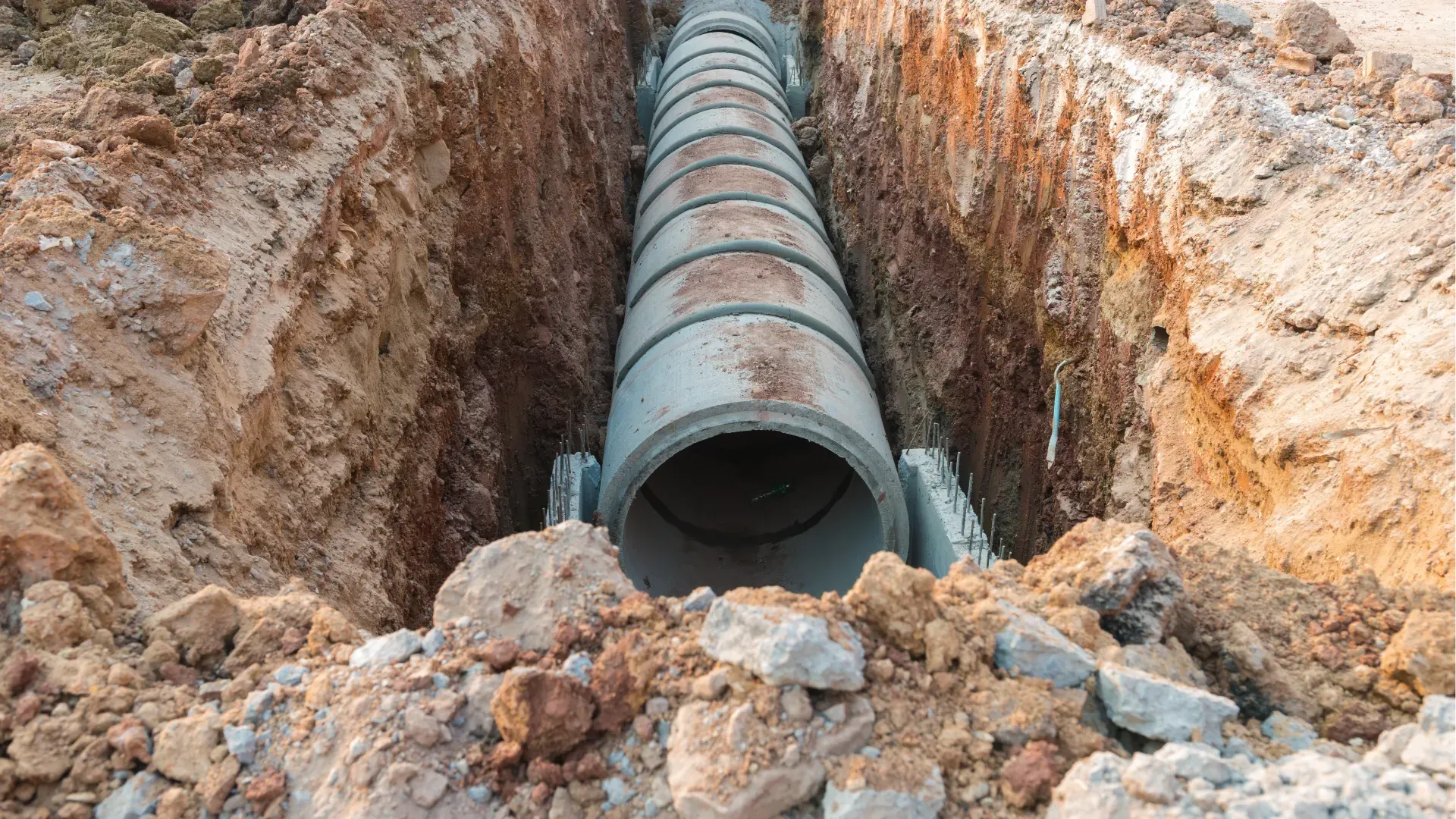
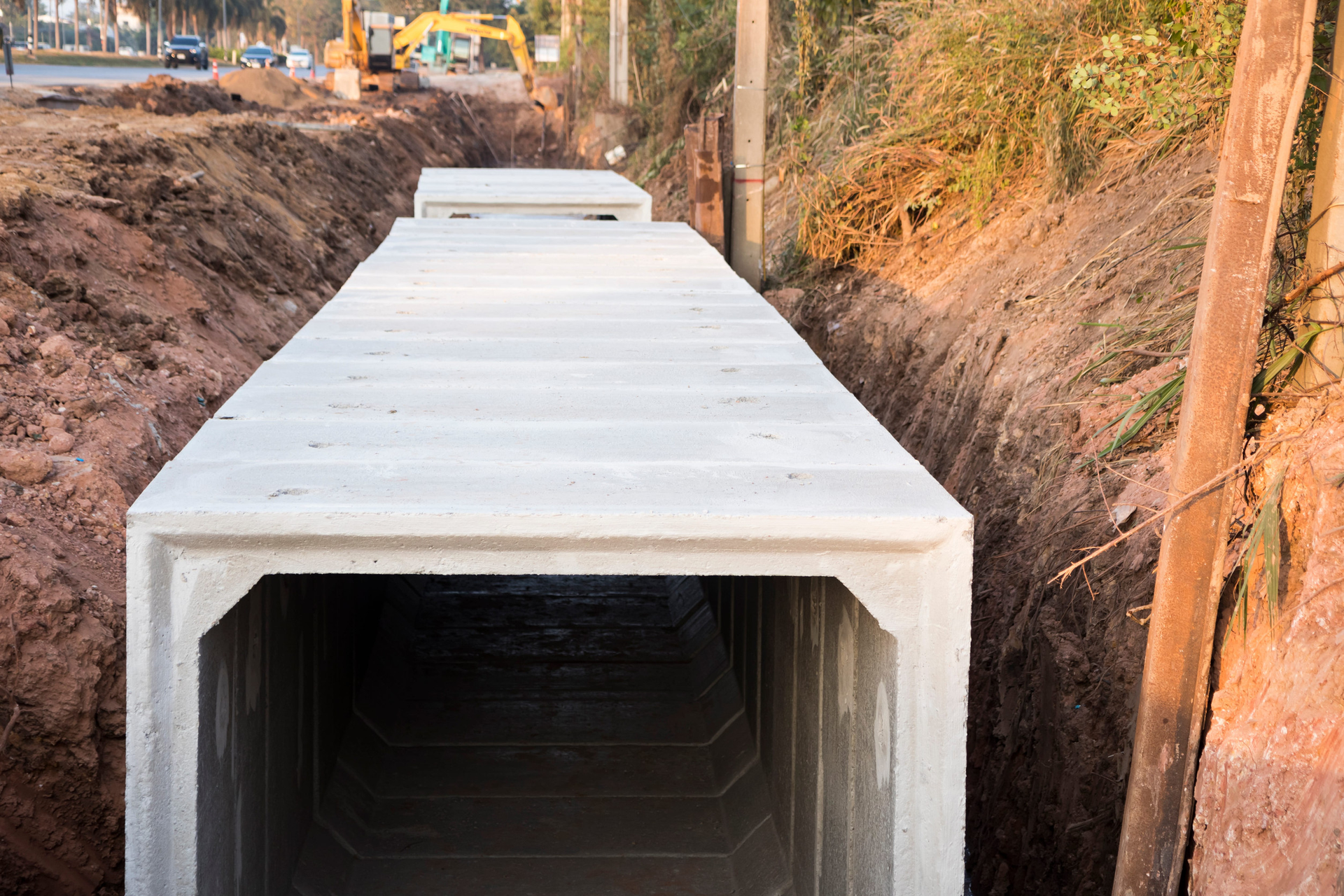
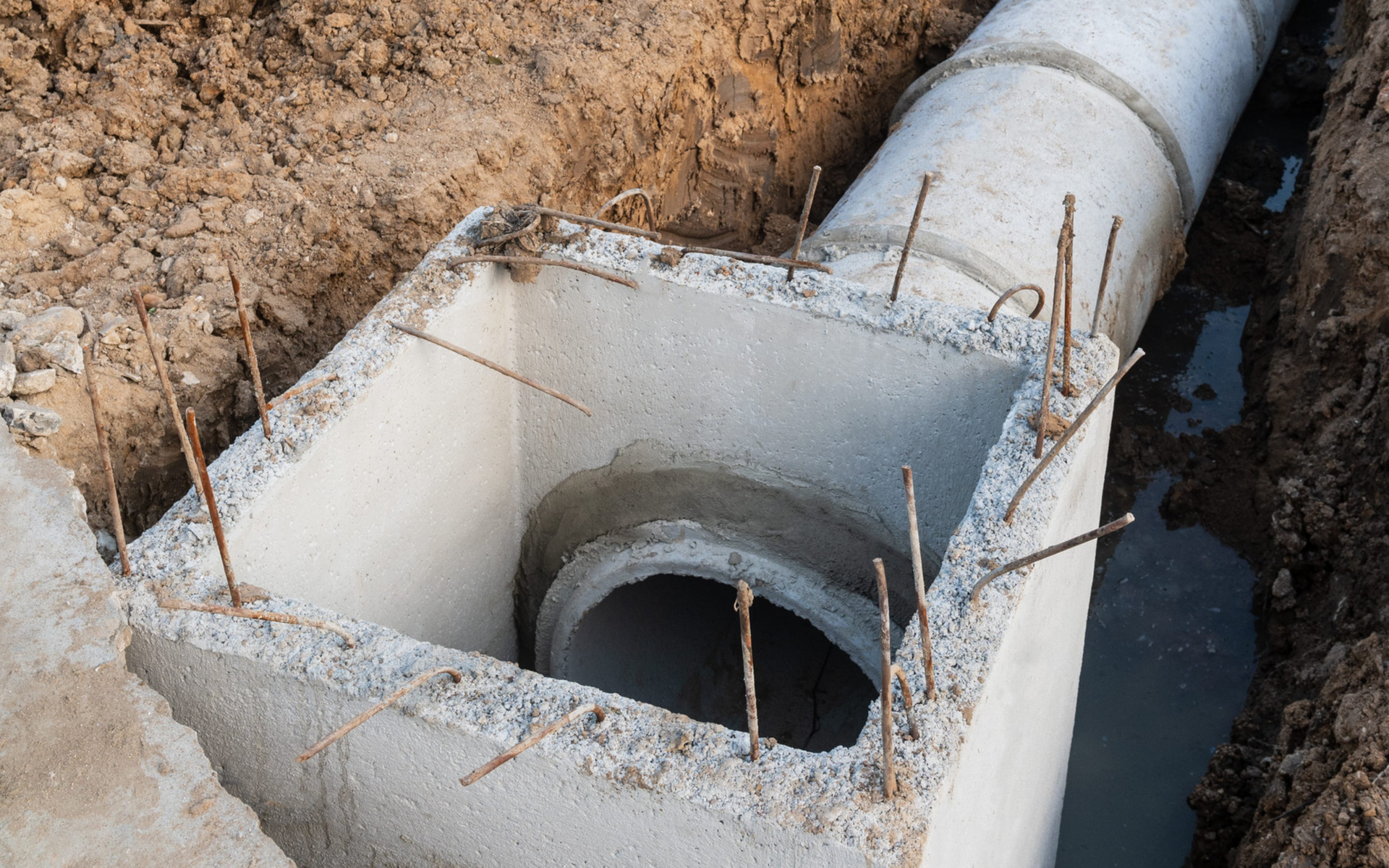
Concrete drainage culvert sections laid in a trench at a construction site

Drainage, Culverts & Stormwater

Install or improve culverts, ditches, swales, pipe, catch basins, drainage crossings, and outlets.

Learn More
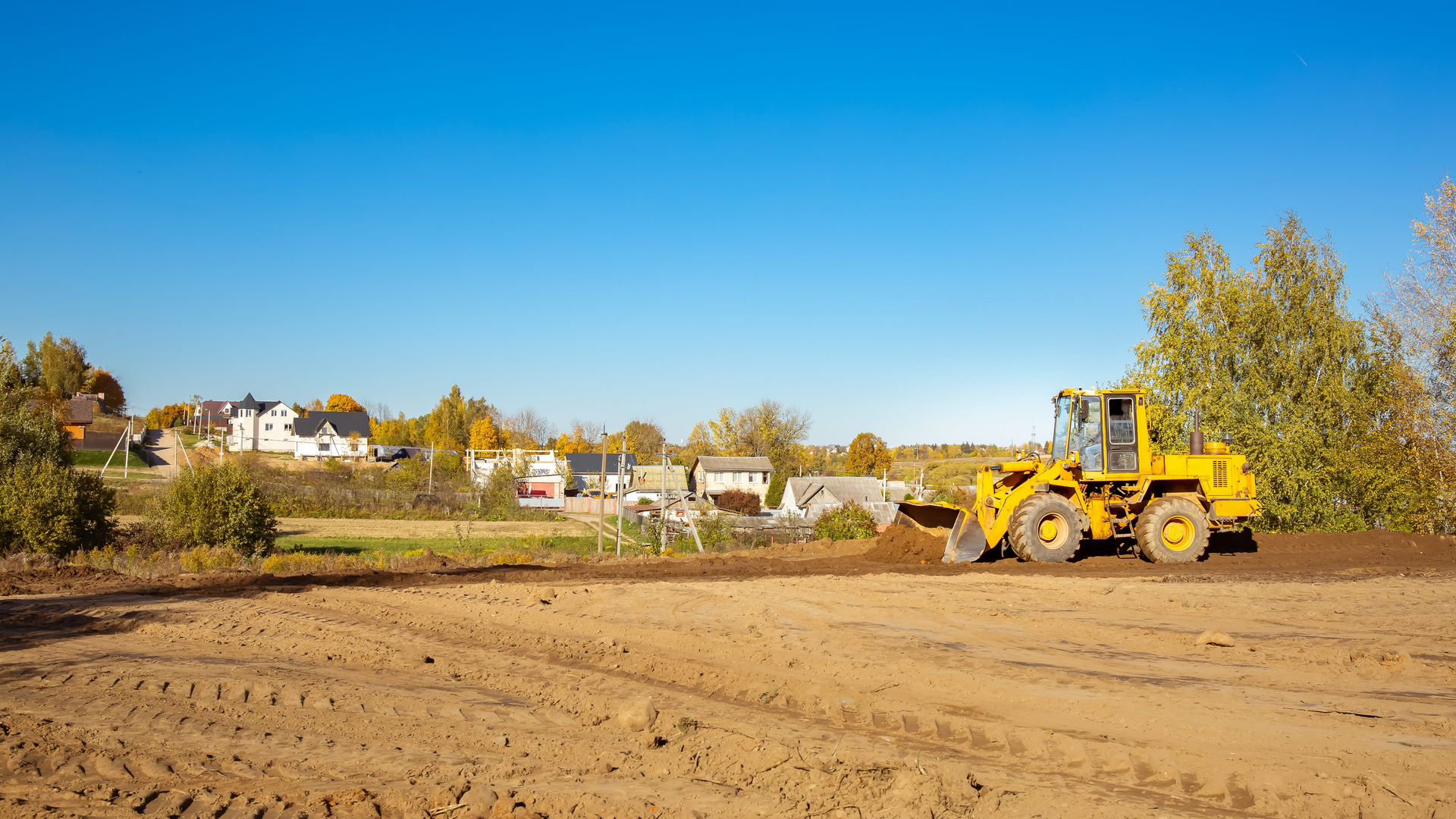
Yellow construction loader on a dirt lot with houses and trees in the background under a clear blue sky

Grading & Leveling

Correct low areas, reshape slopes, establish positive drainage, and direct runoff toward safe outlets.

Learn More
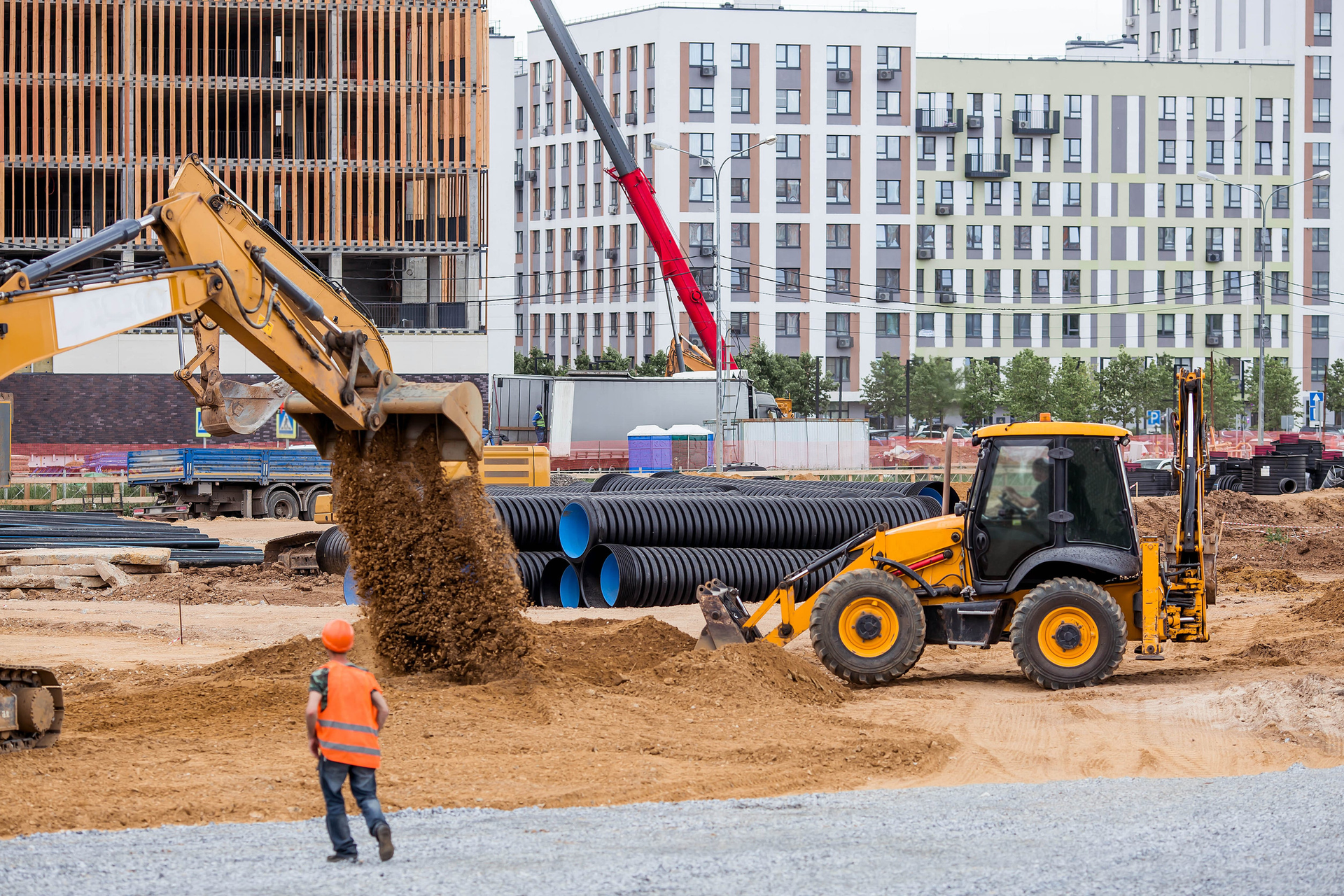
Construction site with excavator dumping dirt into a loader beside a worker in an orange vest

Excavation & Site Prep

Open drainage paths, prepare trenches, remove unsuitable soil, and reshape failed or saturated areas.

Learn More

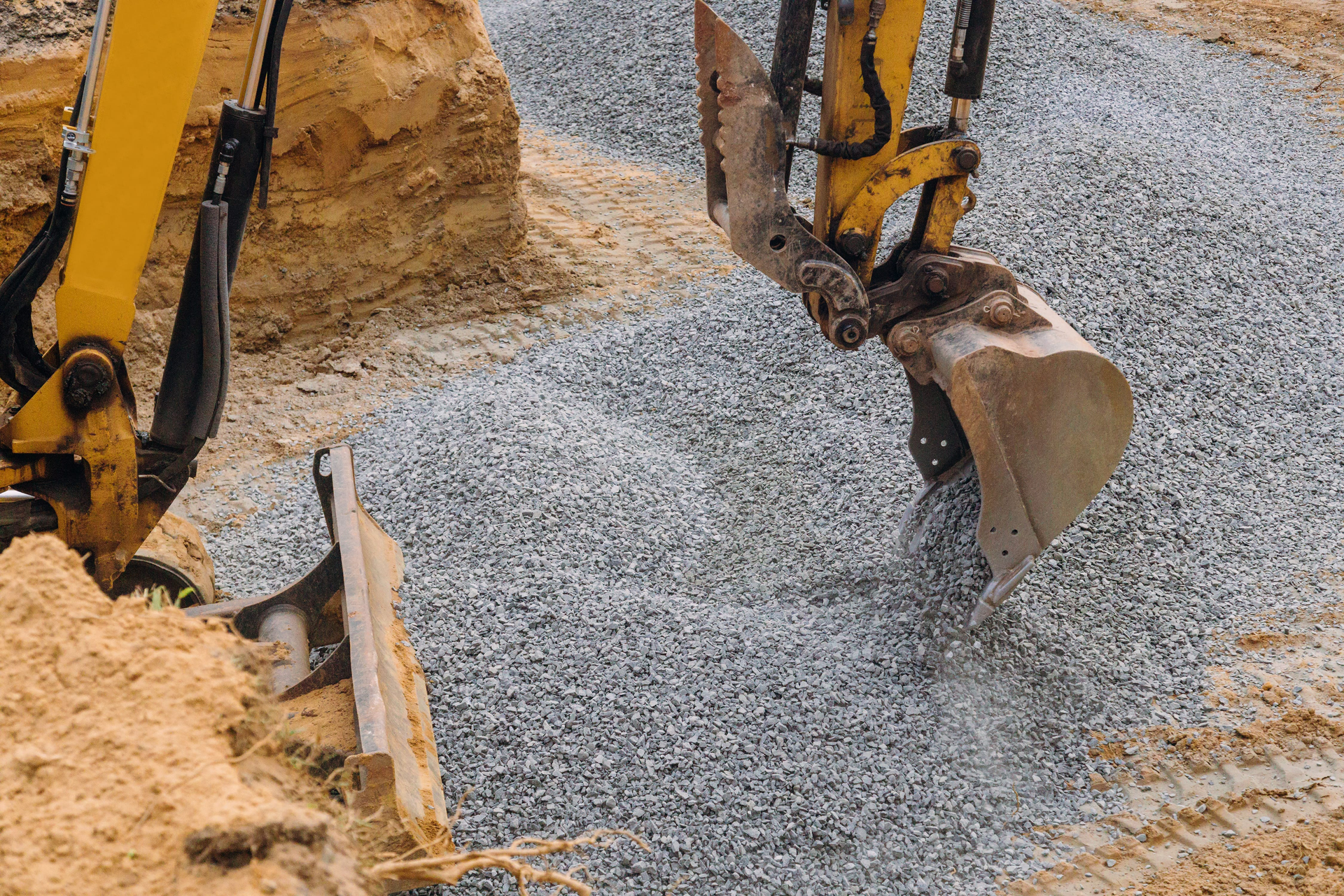
Gravel Driveways

Repair crowns, washouts, soft areas, culverts, ditches, shoulders, base, and gravel surfaces.

Learn More

Erosion Control & Retaining Walls

Stabilize slopes, banks, outlets, channels, fill areas, and retaining-wall sites affected by water.

Learn More

Building Pads & Concrete Prep

Correct drainage and elevation concerns around future structures, slabs, pads, and construction areas.

Learn More

Land Clearing

Open access to blocked ditches, overgrown culverts, drainage paths, slopes, pond edges, and problem areas.

Learn More

Drainage, Culverts & Stormwater

Install or improve culverts, ditches, swales, pipe, catch basins, drainage crossings, and outlets.

Learn More

Grading & Leveling

Correct low areas, reshape slopes, establish positive drainage, and direct runoff toward safe outlets.

Learn More
Common Mistakes When Fixing Drainage Problems
Treating the Wettest Spot as the Source
The visible ponding area may only be where uphill runoff finally collects.
Installing Pipe Without Enough Fall
Drainage pipe may hold water and sediment when inlet and outlet elevations do not work.
Moving Water Without a Safe Outlet
A new ditch or pipe can create erosion somewhere else.
Filling Low Areas Without Redirecting Runoff
Water may collect in the next lowest part of the property.
Adding Gravel Over Saturated Soil
Stone may sink when the base and water problem are not corrected.
Replacing a Culvert Without Reviewing the Ditches
A new pipe may still overflow when water cannot reach or leave it correctly.
Stabilizing Erosion Before Controlling the Water
Seed, soil, and stone may wash away when runoff continues reaching the area.
Ignoring Neighboring or Road Runoff
Water entering from outside the visible work area may control the entire problem
A Better Drainage Project Solves the Path, Not Just the Puddle
A coordinated drainage project can help create:

W Brown Construction LLC looks beyond the footprint of the building.


The driveway, drainage, soil, utilities, foundation, work areas, slopes, and final property use are all part of the site-preparation plan.

Black diamond sign with yellow border and white check mark icon
Drier building and yard areas
Black diamond sign with yellow border and white check mark icon
More dependable driveway access
Black diamond sign with yellow border and white check mark icon
Better-performing culverts
Black diamond sign with yellow border and white check mark icon
Reduced erosion
Black diamond sign with yellow border and white check mark icon
Stronger traffic and construction surfaces
Black diamond sign with yellow border and white check mark icon
Safer slope and outlet conditions
Black diamond sign with yellow border and white check mark icon
Cleaner water movement
Black diamond sign with yellow border and white check mark icon
More usable property
Black diamond sign with yellow border and white check mark icon
Less repeated gravel and soil loss
Black diamond sign with yellow border and white check mark icon
Better long-term site performance

Why Choose Us?

Why Choose W Brown Construction LLC for a Full Drainage Correction Project?
Orange bulldozer with a front blade and black tracks on a white background
We Look Beyond the Symptom
The review follows the water from its source to the final outlet.
Orange skid-steer loader with black bucket, shown in profile on a white background
We Connect Drainage With Earthwork
Grading, excavation, pipe, culverts, ditches, and stabilization are planned together.
Orange crane truck with extended boom and hanging hook
We Understand Access and Driveway Damage
Water problems affecting gravel roads and driveways often require base, culvert, ditch, grading, and material work.
Orange excavator with a hydraulic jackhammer attachment on tracked base
We Can Repair the Ground Afterward
Washouts, soft areas, failed slopes, and disturbed property can be rebuilt and stabilized as part of the project.
Orange backhoe loader with front bucket and rear excavator arm on a white background
We Support Different Property Types
We work with residential, rural, agricultural, commercial, and construction properties.
Red dump truck with orange cargo bed, side view on white background
We Keep the Scope Site-Specific
The solution is based on the property’s elevations, soil, water source, structures, access, and outlet—not a generic drainage product.
Drainage Correction Projects Across East Bend and Nearby Communities
W Brown Construction LLC provides residential, commercial, rural, agricultural, and construction drainage work within approximately 50 miles of East Bend, North Carolina.

Primary service areas include:

Red location pin icon with circular hole and shadow underneath on white background

East Bend

Red location pin icon with circular hole and shadow underneath on white background

Yadkinville

Red location pin icon with circular hole and shadow underneath on white background

Boonville

Red location pin icon with circular hole and shadow underneath on white background

Jonesville

Red location pin icon with circular hole and shadow underneath on white background

Elkin

Red location pin icon with circular hole and shadow underneath on white background

Dobson

Red location pin icon with circular hole and shadow underneath on white background

Pilot Mountain

Red location pin icon with circular hole and shadow underneath on white background

Mount Airy

Red location pin icon with circular hole and shadow underneath on white background

King

Red location pin icon with circular hole and shadow underneath on white background

Rural Hall

Red location pin icon with circular hole and shadow underneath on white background

Tobaccoville

Red location pin icon with circular hole and shadow underneath on white background

Pfafftown

Red location pin icon with circular hole and shadow underneath on white background

Lewisville

Red location pin icon with circular hole and shadow underneath on white background

Clemmons

Red location pin icon with circular hole and shadow underneath on white background

Winston-Salem

Red location pin icon with circular hole and shadow underneath on white background

Walkertown

Red location pin icon with circular hole and shadow underneath on white background

Kernersville

Red location pin icon with circular hole and shadow underneath on white background

Mocksville

Red location pin icon with circular hole and shadow underneath on white background

Advance

Red location pin icon with circular hole and shadow underneath on white background

Bermuda Run

Red location pin icon with circular hole and shadow underneath on white background

Harmony

Red location pin icon with circular hole and shadow underneath on white background

Statesville

Red location pin icon with circular hole and shadow underneath on white background

Lexington

Red location pin icon with circular hole and shadow underneath on white background

Wilkesboro

Red location pin icon with circular hole and shadow underneath on white background

North Wilkesboro

Larger drainage and water-management projects outside these locations may also be considered depending on scope, access, excavation requirements, hauling distance, and scheduling.

Blogs

Understand the Water Before Choosing the Repair
August 27, 2026
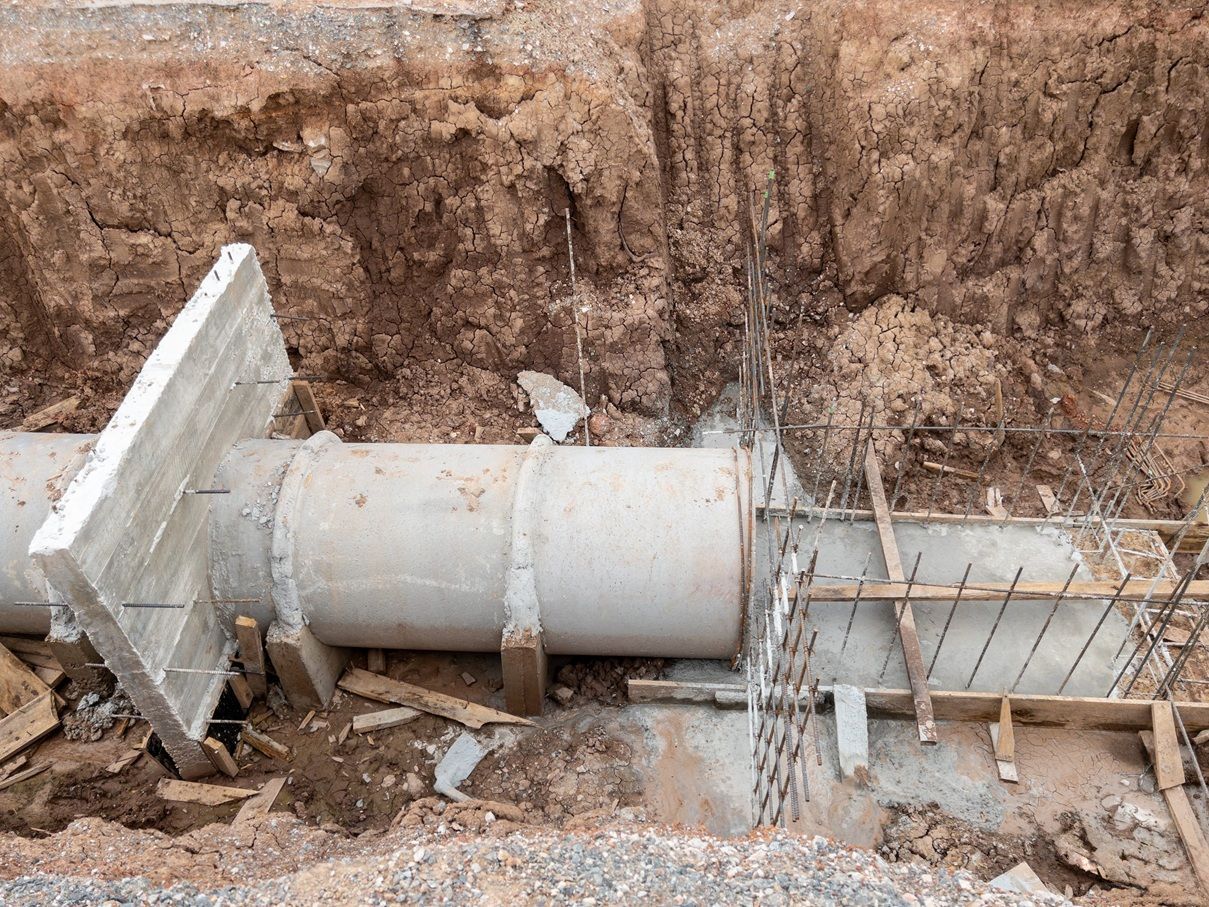
Learn why gravel driveways wash out, including poor drainage, steep slopes, lost crown, failed culverts, weak base, and improper runoff control near East Bend, NC.
August 27, 2026
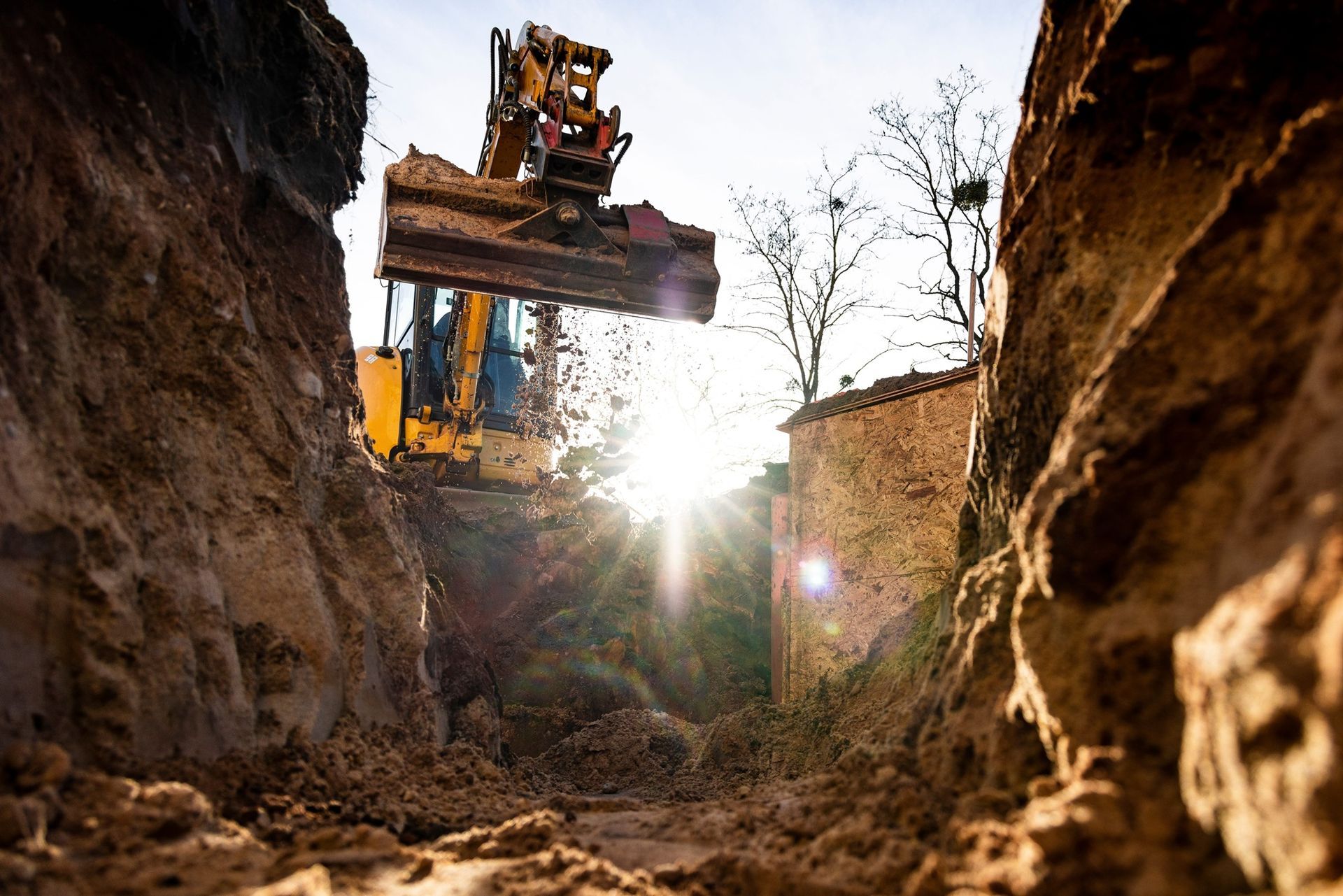
Learn why excavation and drainage should be planned together before building, grading, driveway work, or site preparation near East Bend, NC.
August 27, 2026
Learn what to consider before excavating a building site, including access, soil, drainage, cut and fill, utilities, hauling, compaction, and building-pad preparation near East Bend, NC.

FAQs

Drainage and Water Problem Questions
  • How do you determine what is causing the drainage problem?

    The property is reviewed for water sources, elevations, ditches, culverts, structures, soil, runoff paths, collection areas, and possible outlets. Wet-weather photos or videos can also help show how the site behaves during rain.

  • Can standing water be fixed with grading?

    Sometimes. Grading may solve shallow surface-water problems when enough fall and a safe outlet are available. Other properties may need pipe, culverts, excavation, subsurface drainage, or soil correction.

  • Why does my gravel driveway keep washing out?

    Common causes include a lost crown, blocked ditches, failed culverts, uphill runoff, steep slopes, weak base, poor outlets, or water traveling through tire tracks.

  • Can you fix water near a house, shop, or barn?

    Potentially. The site must be reviewed for surrounding grade, roof runoff, settlement, groundwater, driveway elevation, and available drainage outlets.

  • What if the water is coming from a neighboring property or public road?

    The incoming runoff should be included in the site review. The solution must manage that water without creating a new drainage problem or affecting other property.

  • Can you repair the erosion after fixing the drainage?

    Yes. Washouts, slopes, banks, outlets, driveway shoulders, and other damaged areas can be reshaped, rebuilt, and stabilized as part of the project scope.

Give the Water a Controlled Path
Orange-and-white traffic cone on a square base
Protect structures, access, slopes, and usable ground from repeated water damage.
Orange-and-white traffic cone on a square base
Address the source, flow route, damaged area, and outlet as one connected problem.
Orange-and-white traffic cone on a square base
Begin with clear details about what happens during and after rain.
Ready to Fix the Water Problem?
Tell us where the property is located, what happens during rain, where the water enters and collects, what has been damaged, and what repairs have already been attempted.