


Stabilize the Ground Before Water and Gravity Make the Problem Worse
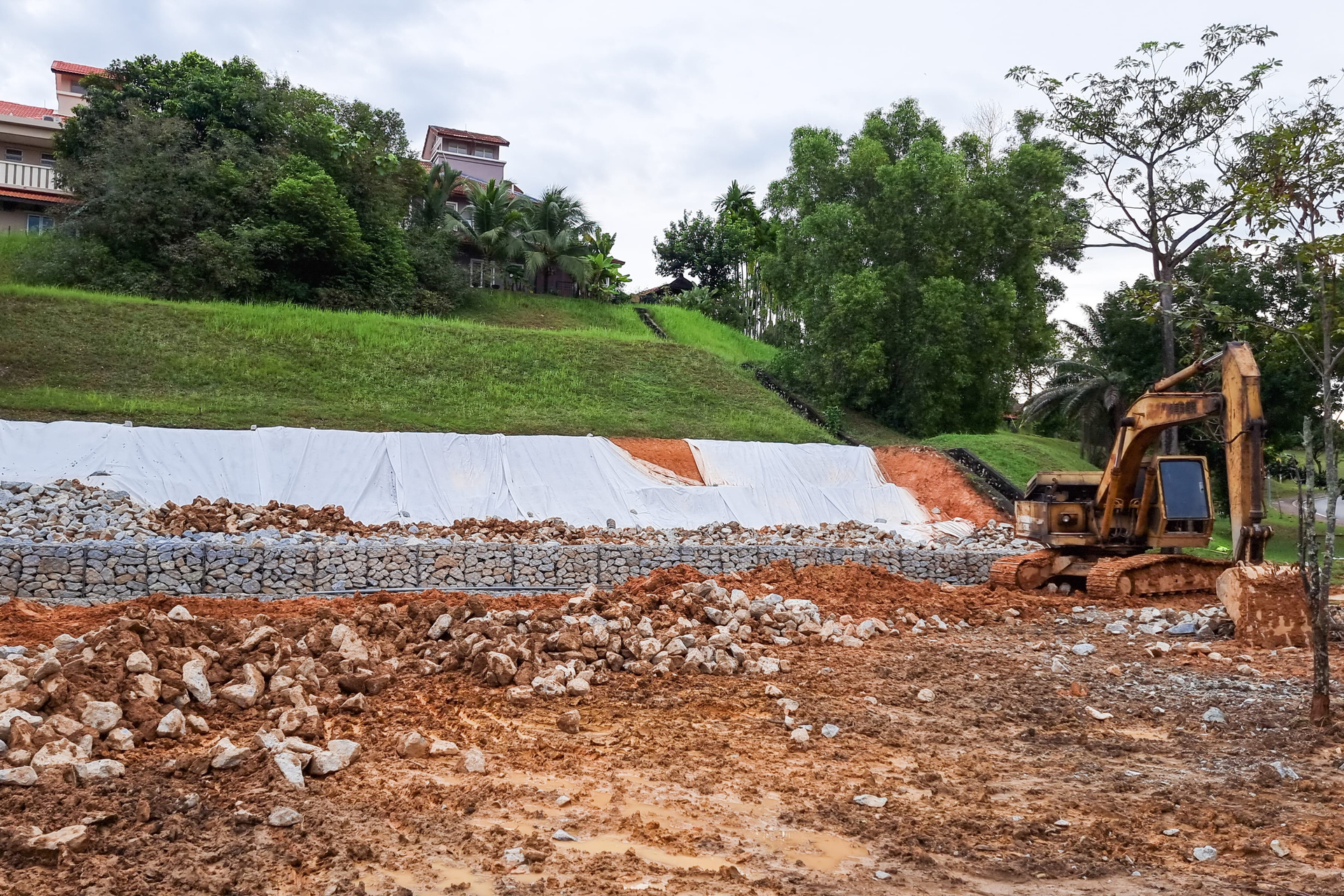
W Brown Construction LLC provides residential and commercial erosion control, slope stabilization, washout repair, retaining-wall site work, drainage correction, and regrading for damaged or difficult property.
Residential and commercial work • Slope and washout repair • Drainage-focused planning • Full excavation and grading support
Tell Us Where the Ground Is Failing
Share the property location, slope or wall condition, drainage concerns, visible erosion, and any photos or videos available.
Tell Us Where the Ground Is Failing
Share the property location, slope or wall condition, drainage concerns, visible erosion, and any photos or videos available.
Orange bulldozer with front blade and tracked wheels, shown in profile on a white background
Washout and Erosion Repair
Thin black vertical line on a white background
Yellow skid steer loader with front bucket on a white background
Slope and Bank Stabilization
Vertical black line on a white background
Orange mobile crane truck with a raised boom and hanging hook on a white background
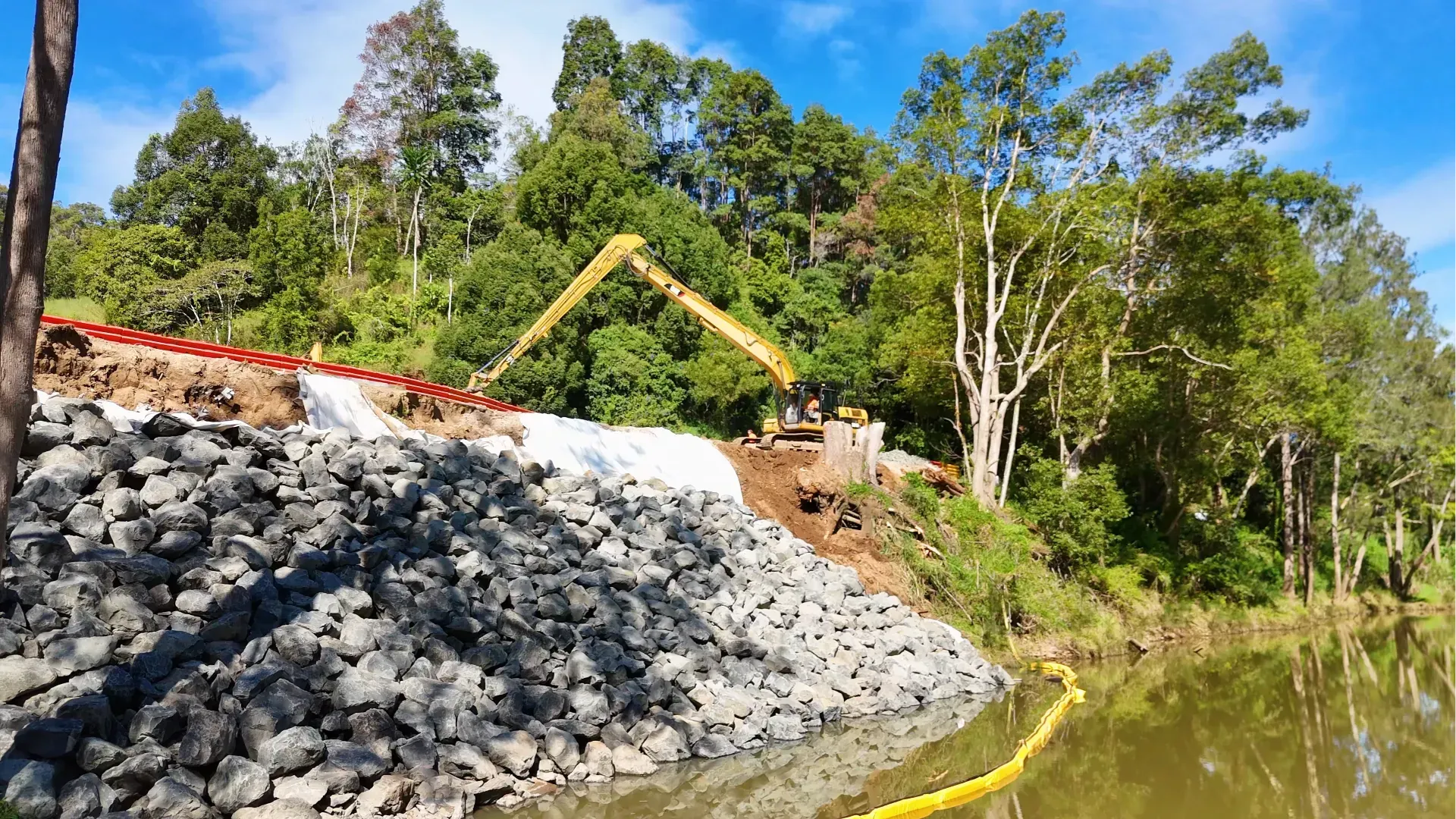
Riprap and Outlet Protection
A thin vertical black line on a white background
Orange excavator with raised arm and drill attachment on a tracked base
Retaining-Wall Excavation and Backfill
Vertical black line on a white background
Orange backhoe loader with front bucket and rear excavator arm on a white background
Residential and Commercial Projects
Black vertical line on a white background
Red and orange cargo truck in side view with a blue windshield and black wheels
Drainage, Grading, and Hauling Support
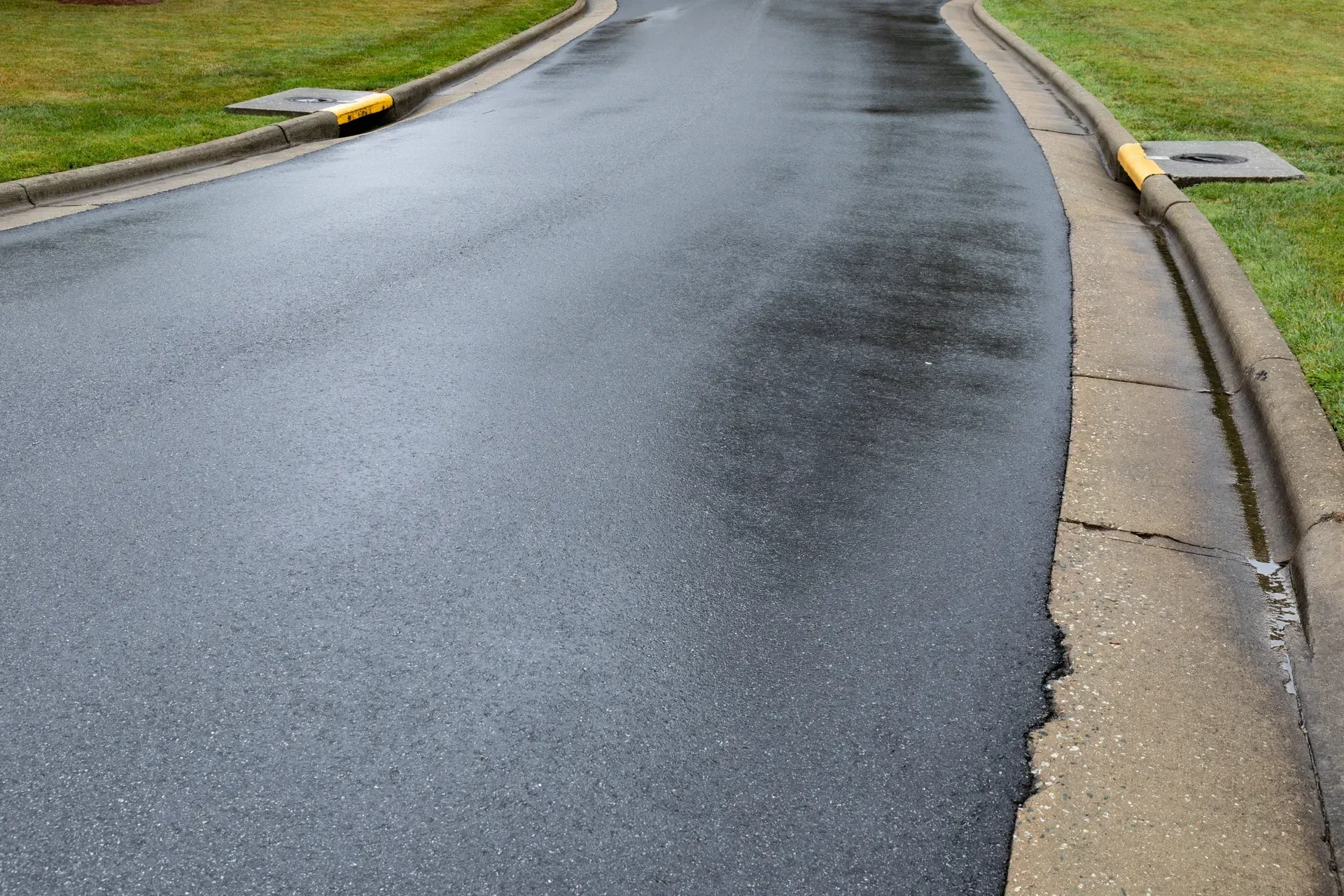
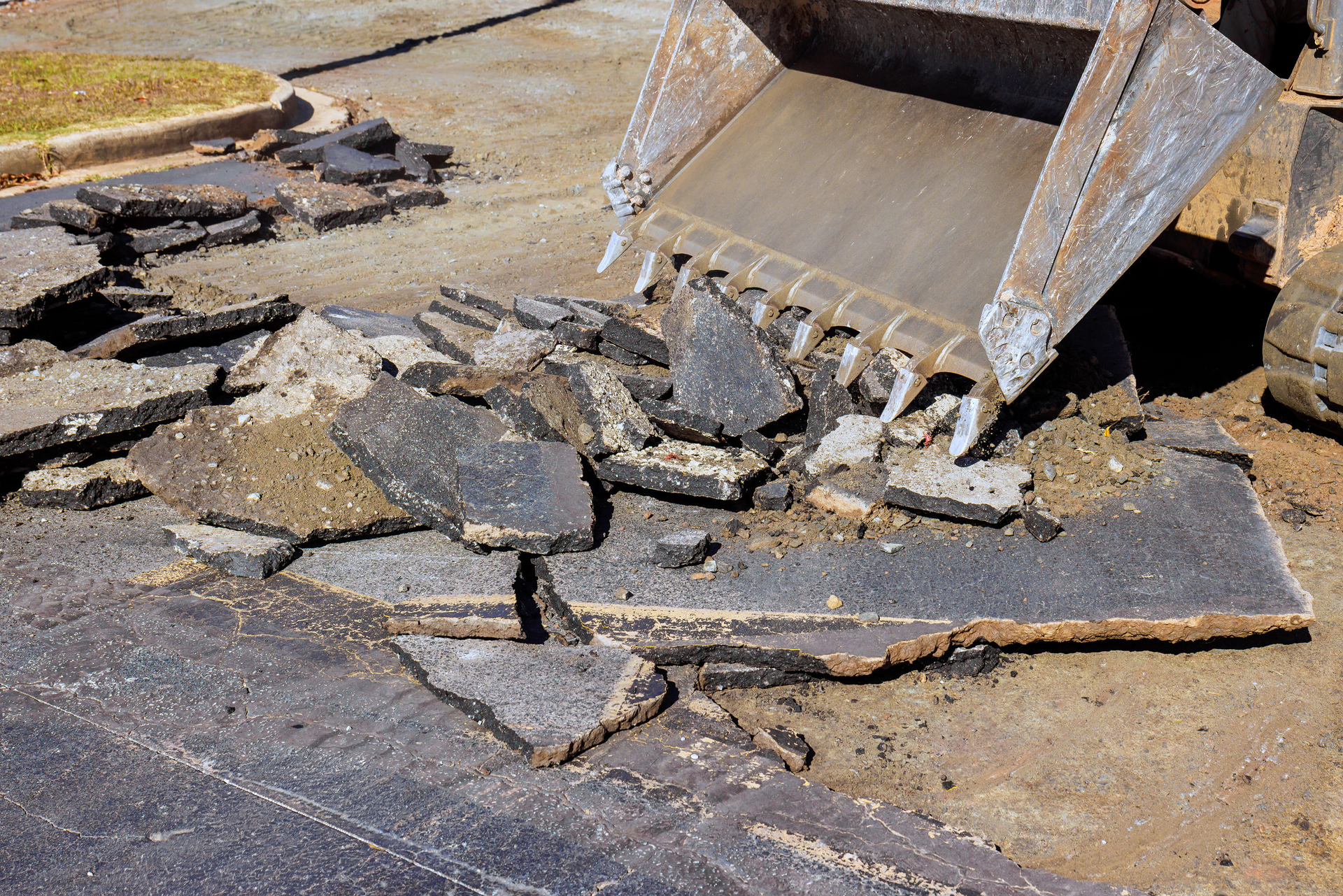
Damaged asphalt road with a cracked edge and curb on the right side
Erosion Is Usually a Water, Grade, or Stability Problem

Erosion happens when water moves across soil with enough force to carry material away.


On sloped property, the problem may also involve loose fill, poor compaction, unstable banks, failed drainage, or ground that was never shaped for long-term support.


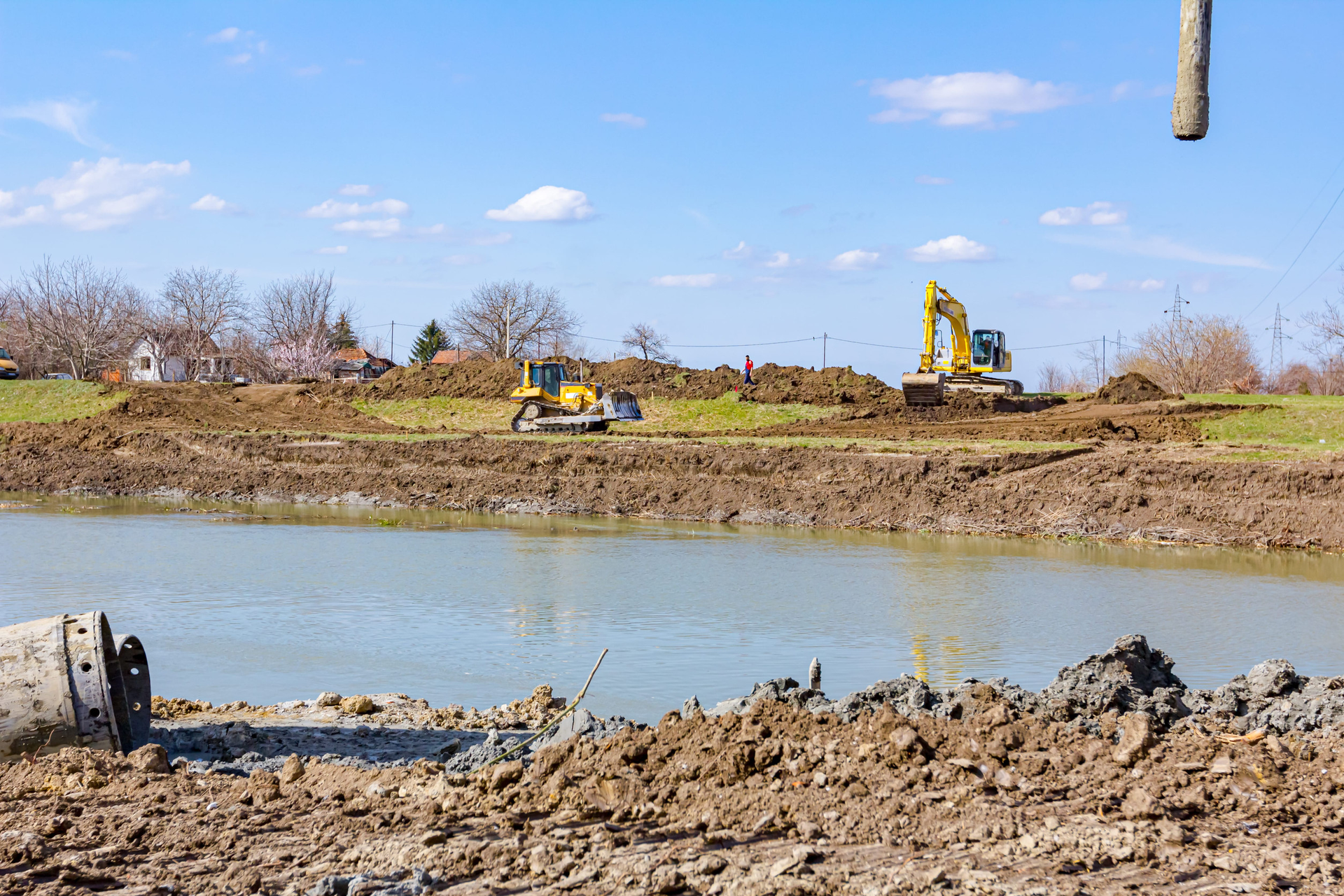
W Brown Construction LLC provides erosion control and retaining-wall site work for yards, driveways, roads, construction sites, ponds, ditches, commercial properties, rural acreage, and building areas throughout East Bend and surrounding communities.


The work may involve excavation, regrading, drainage correction, riprap, outlet protection, slope shaping, compacted backfill, retaining-wall preparation, wall drainage, material placement, and disturbed-soil stabilization.


The goal is to address why the ground is moving—not only cover the visible damage.


When Water and Slope Are Damaging the Property
Erosion control and retaining-wall work can help address:
  • Soil washing away after heavy rain
  • Deep ruts or gullies forming on slopes
  • Driveway shoulders breaking down
  • Culvert outlets cutting into the ground
  • Ditch banks eroding
  • Pond banks losing material
  • Fill slopes settling or moving
  • Water running behind retaining areas
  • Soil collecting at the bottom of slopes
  • Exposed roots
  • Bare, unstable ground
  • Water concentrating near buildings or access routes
  • Retaining areas that remain wet
  • Repeated washout repairs that do not last
  • Steep grade changes limiting property use
  • Old retaining walls that need removal or replacement preparation
A lasting repair usually requires the grade, water path, soil, slope, and outlet to work together.
Signs the Property Needs Stabilization
You may need erosion-control or retaining-wall work if:
  • New channels appear after storms
  • Soil continually washes toward the driveway or yard
  • Gravel moves off shoulders or slopes
  • A bank is becoming steeper
  • Roots are becoming exposed
  • A culvert or pipe outlet is creating a washout
  • Fill is settling behind or below a structure
  • Water remains behind a retaining wall
  • A wall is leaning, bulging, or separating
  • Soil is washing through wall joints
  • Pond edges or spillways are eroding
  • A ditch keeps widening
  • Equipment ruts are turning into drainage channels
  • Bare slopes will not stay stabilized
  • A low area receives sediment after every rain
  • Previous repairs have only covered the damage temporarily
These signs may indicate uncontrolled runoff, poor drainage, unstable fill, missing support, or several connected issues.
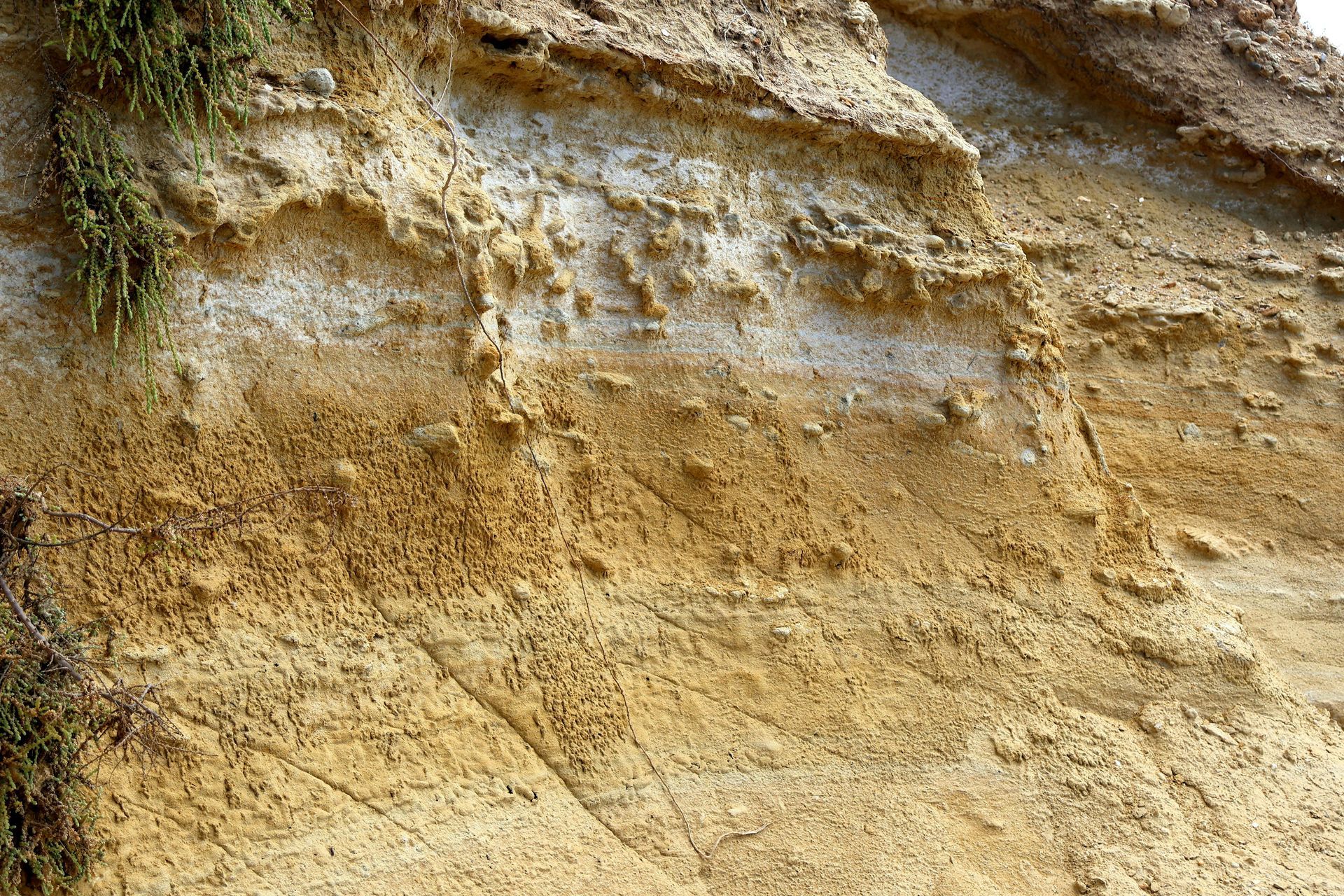
Close-up of layered sandy rock with beige, tan, and gray sediment bands
Retaining Ground Requires More Than Holding Dirt Back

A retaining wall resists soil pressure, but drainage often determines how well the entire system performs. 


Water trapped behind a wall can increase pressure, soften backfill, carry soil through joints, and contribute to movement.

Proper retaining-wall site preparation may need to address:
  • Wall location
  • Excavation depth
  • Base preparation
  • Wall height and surrounding grade
  • Drainage stone
  • Drainage pipe
  • Backfill material
  • Compaction
  • Slope above the wall
  • Outlet location
  • Utility conflicts
  • Access for construction
  • Final grading around the wall

The wall itself is only one part of the finished system. 


Erosion-control work follows the same principle. Placing stone or seed over a damaged area may not last unless the water source and flow path are corrected first.

Our Process

How Our Erosion Control and Retaining-Wall Process Works
Black checkbox with a bold check mark inside
1. Review the Damage
We begin with where the soil is moving, when the damage occurs, what is uphill and downhill, and what repairs have already been attempted.
2. Evaluate the Water and Grade
We review runoff, drainage paths, culverts, outlets, slopes, soil, fill, structures, and surrounding elevations.
Black checkmark inside an outlined square checkbox icon
3. Define the Repair Scope
The plan may involve excavation, drainage, slope reshaping, retaining-wall preparation, riprap, backfill, compaction, hauling, or surface stabilization.
Black check mark inside an empty square checkbox icon
Black checkmark inside a square checkbox icon
4. Remove Failed or Unsuitable Material
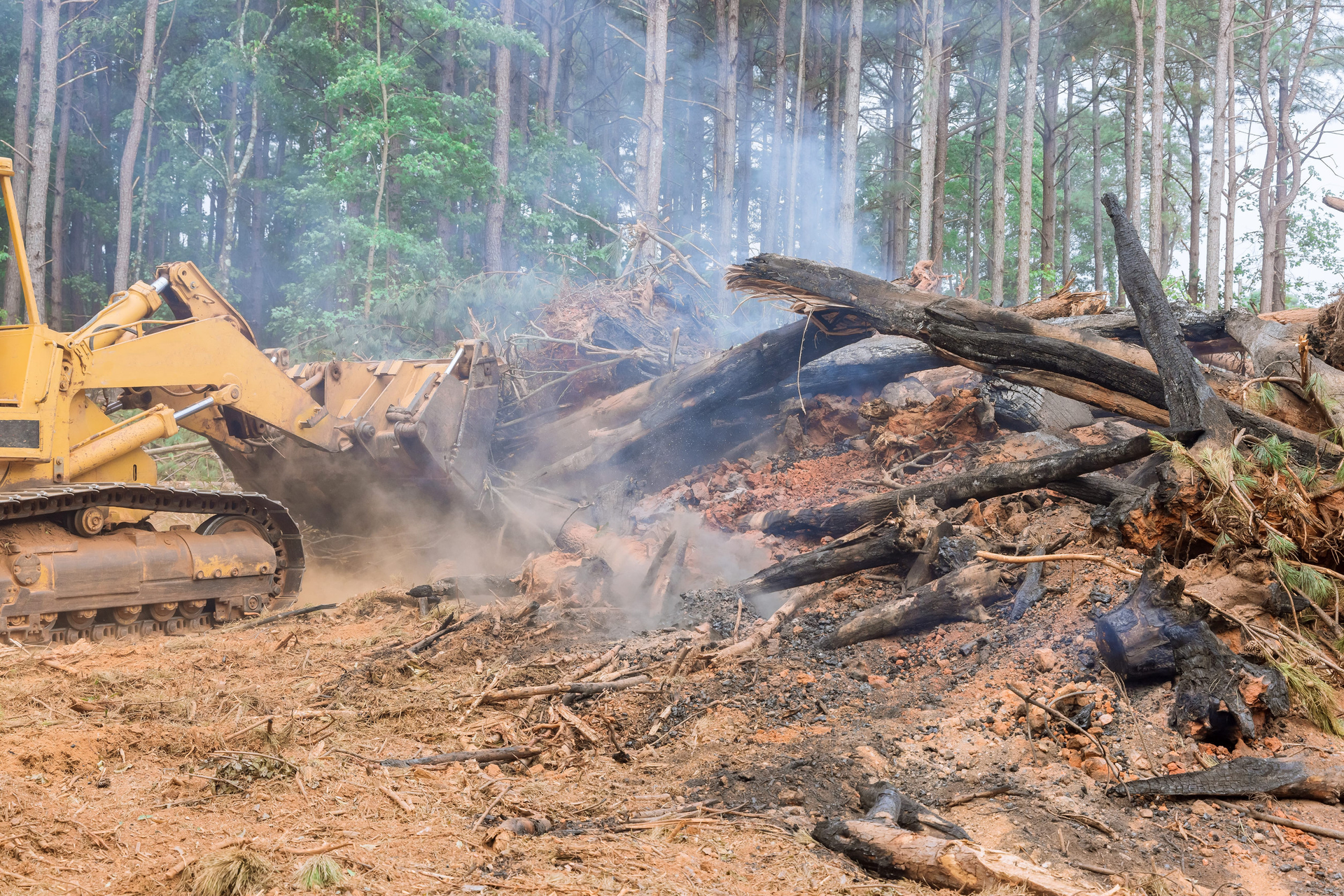
Loose soil, debris, failed fill, damaged wall material, sediment, or unstable ground is removed where required.
Black checkmark inside an outlined square checkbox icon
5. Correct the Water Path
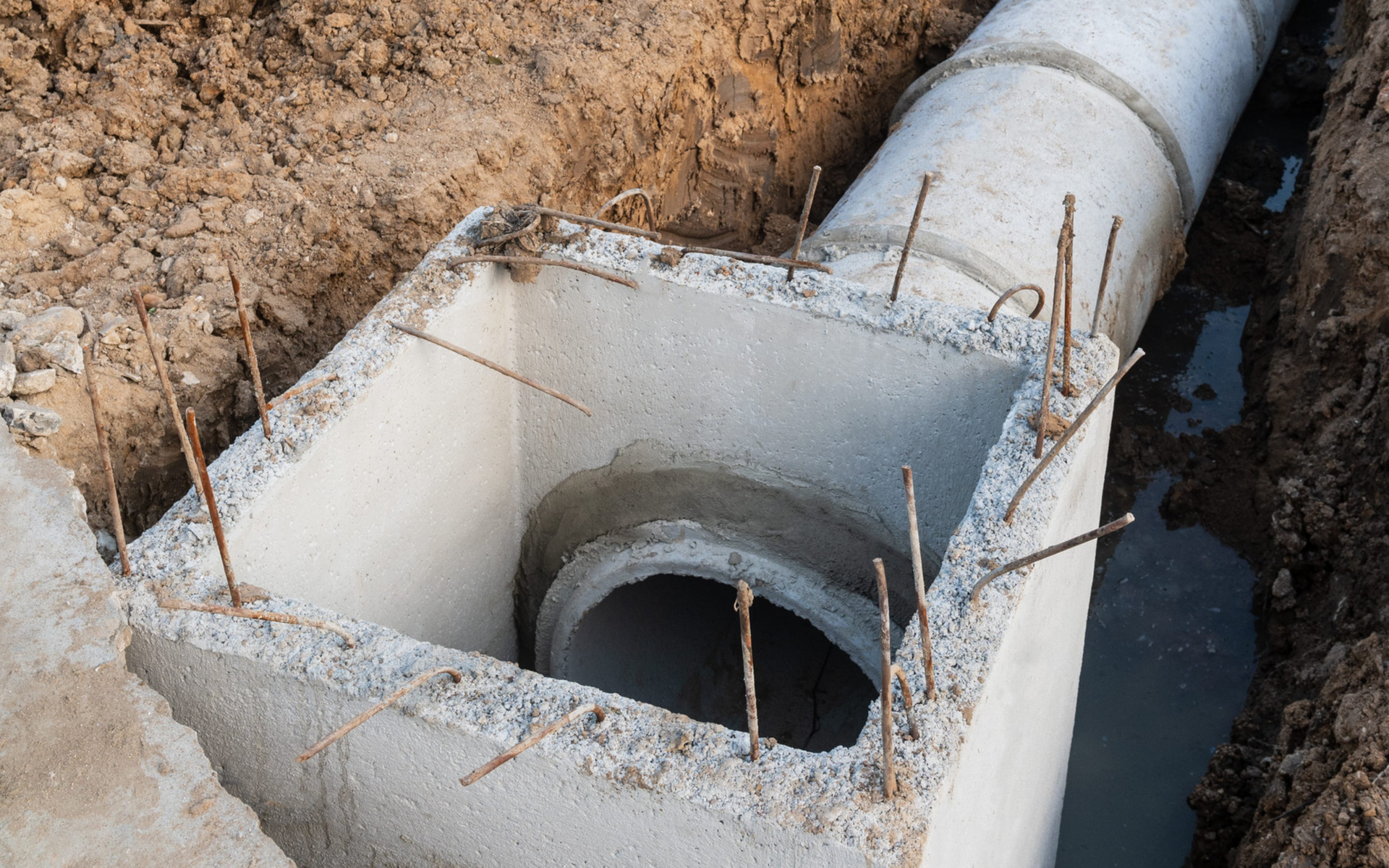
Ditches, swales, culverts, drainage pipe, wall drainage, or outlet protection may be installed or improved.
6. Rebuild and Stabilize the Area
Suitable material, stone, compacted backfill, wall base, or slope protection is placed according to the project scope.
Black checkmark in a square box icon
7. Complete Final Grading
The repaired area is blended into the surrounding property to support drainage and long-term use.
Black checkmark inside a square checkbox icon
Black checkmark in a square checkbox icon on a white background
8. Protect Disturbed Ground
Seeding, blankets, stone, riprap, or other stabilization may be used depending on the slope and water conditions.
Stabilization Often Connects to a Larger Property Project
Fixing Drainage & Water Problems
Coordinate grading, drainage, culverts, erosion repair, outlets, slope work, and retaining solutions around the full water problem.
Full Project Management
Organize erosion control with excavation, grading, drainage, access, hauling, pad preparation, and cleanup.
Cleaning Up Overgrown or Unusable Land
Clear, reshape, drain, and stabilize neglected property so it becomes safer and easier to use.
Building a Shop, House, Garage, Barn, or Metal Building
Plan slope support, drainage, access, retaining needs, pad elevations, and erosion control before construction progresses.

Services

Services That Commonly Support Erosion Control
Drainage, Culverts & Stormwater
Correct runoff, ditches, culverts, pipe, outlets, and water concentration before stabilizing the damaged area.
Excavation & Site Prep
Remove failed material, prepare retaining areas, reshape slopes, open drainage paths, and establish stable ground.
Grading & Leveling
Reduce steep transitions, restore positive drainage, blend repaired areas, and reshape unstable ground.
Gravel Driveways
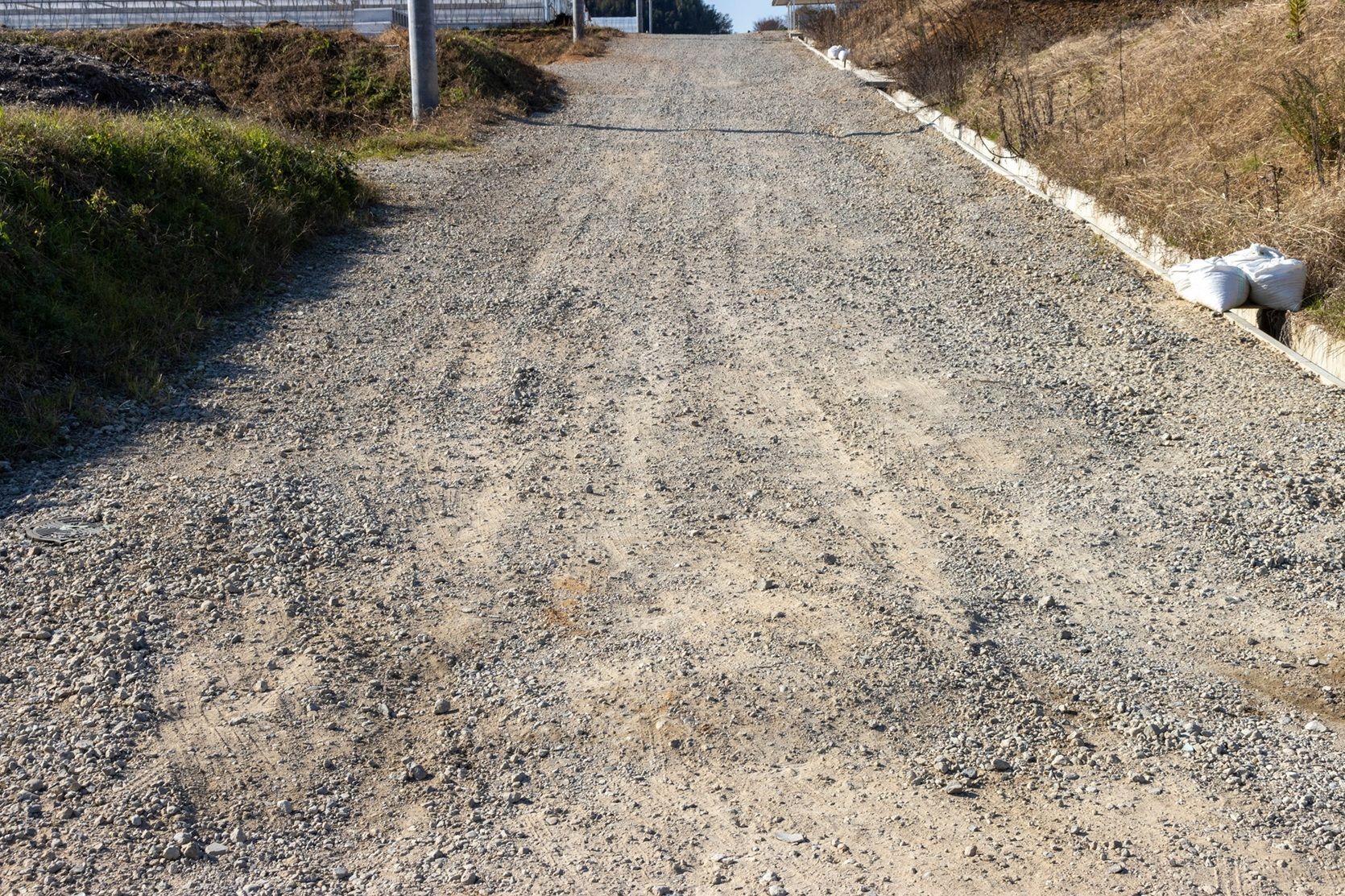
Repair washed-out shoulders, failed crossings, steep access areas, and drainage damage along gravel routes.
Ponds & Water Management
Stabilize pond banks, spillways, basin outlets, overflow routes, and rural drainage areas.
Building Pads & Concrete Prep
Coordinate retaining needs, pad drainage, fill slopes, and transitions around future structures.
Demolition, Tear-Out & Removal
Remove failed walls, concrete, old structures, or damaged material before rebuilding the area.
Hauling & Materials
Deliver riprap, stone, gravel, fill, drainage material, and backfill while removing failed soil or debris.
The Best Repair Controls the Cause and Rebuilds the Ground
A successful stabilization project should help create:
Yellow diamond sign with a black circle and white checkmark
Controlled runoff
Yellow diamond sign with a black circle and white checkmark
More stable slopes
Yellow diamond sign with a black circle and white checkmark
Protected culvert and pipe outlets
Yellow diamond sign with a black circle and white checkmark
Stronger driveway shoulders
Yellow diamond sign with a black circle and white checkmark
Better-performing retaining areas
Yellow diamond sign with a black circle and white checkmark
Reduced soil loss
Yellow diamond sign with a black circle and white checkmark
Safer access
Yellow diamond sign with a black circle and white checkmark
Cleaner drainage paths
Yellow diamond sign with a black circle and white checkmark
More usable property
Yellow diamond sign with a black circle and white checkmark
Better support around buildings and pads
W Brown Construction LLC approaches erosion repair through the full site. That means evaluating the water source, grade, soil, drainage, traffic, structures, and the condition of the damaged ground before defining the scope. This helps reduce the risk of repairing the same washout repeatedly.

Why Choose Us?

Why Choose W Brown Construction LLC for Erosion Control and Retaining-Wall Site Work?
Orange bulldozer with front blade and tracked wheels, shown in profile on a white background
We Address the Water First
A slope or washout cannot stay repaired when uncontrolled runoff continues reaching it.
Yellow skid steer loader with front bucket on a white background
We Understand Earthwork and Drainage
Excavation, grading, backfill, compaction, drainage, and stabilization are planned as connected parts of the project.
Orange mobile crane truck with a raised boom and hanging hook on a white background
We Prepare Retaining Areas Properly
Wall excavation, base preparation, drainage, backfill, and surrounding grade all affect the finished result.
Orange excavator with raised arm and drill attachment on a tracked base
We Handle Connected Property Work
Driveway repair, culverts, ponds, hauling, demolition, pad preparation, and grading can be coordinated when needed.
Orange backhoe loader with front bucket and rear excavator arm on a white background
We Work Across Property Types
We support residential, rural, agricultural, commercial, and construction properties.
Red and orange cargo truck in side view with a blue windshield and black wheels
We Build the Scope Around the Site
The repair is based on the slope, soil, drainage, access, damage, and long-term property use.
Erosion Control and Retaining-Wall Site Work Across East Bend and Nearby Communities
W Brown Construction LLC provides residential, commercial, rural, and construction stabilization services within approximately 50 miles of East Bend, North Carolina.

Primary service areas include:

Red location pin icon with a white center and shadow.

East Bend

Red location pin icon with a white center and shadow.

Yadkinville

Red location pin icon with a white center and shadow.

Boonville

Red location pin icon with a white center and shadow.

Jonesville

Red location pin icon with a white center and shadow.

Elkin

Red location pin icon with a white center and shadow.

Dobson

Red location pin icon with a white center and shadow.

Pilot Mountain

Red location pin icon with a white center and shadow.

Mount Airy

Red location pin icon with a white center and shadow.

King

Red location pin icon with a white center and shadow.

Rural Hall

Red location pin icon with a white center and shadow.

Tobaccoville

Red location pin icon with a white center and shadow.

Pfafftown

Red location pin icon with a white center and shadow.

Lewisville

Red location pin icon with a white center and shadow.

Clemmons

Red location pin icon with a white center and shadow.

Winston-Salem

Red location pin icon with a white center and shadow.

Walkertown

Red location pin icon with a white center and shadow.

Kernersville

Red location pin icon with a white center and shadow.

Mocksville

Red location pin icon with a white center and shadow.

Advance

Red location pin icon with a white center and shadow.

Bermuda Run

Red location pin icon with a white center and shadow.

Harmony

Red location pin icon with a white center and shadow.

Statesville

Red location pin icon with a white center and shadow.

Lexington

Red location pin icon with a white center and shadow.

Wilkesboro

Red location pin icon with a white center and shadow.

North Wilkesboro

Nearby rural communities and larger stabilization projects outside these locations may also be considered depending on scope, access, material requirements, hauling distance, and scheduling.

Blogs

Understand Why the Ground Is Moving
August 27, 2026
Learn why gravel driveways wash out, including poor drainage, steep slopes, lost crown, failed culverts, weak base, and improper runoff control near East Bend, NC.
August 27, 2026
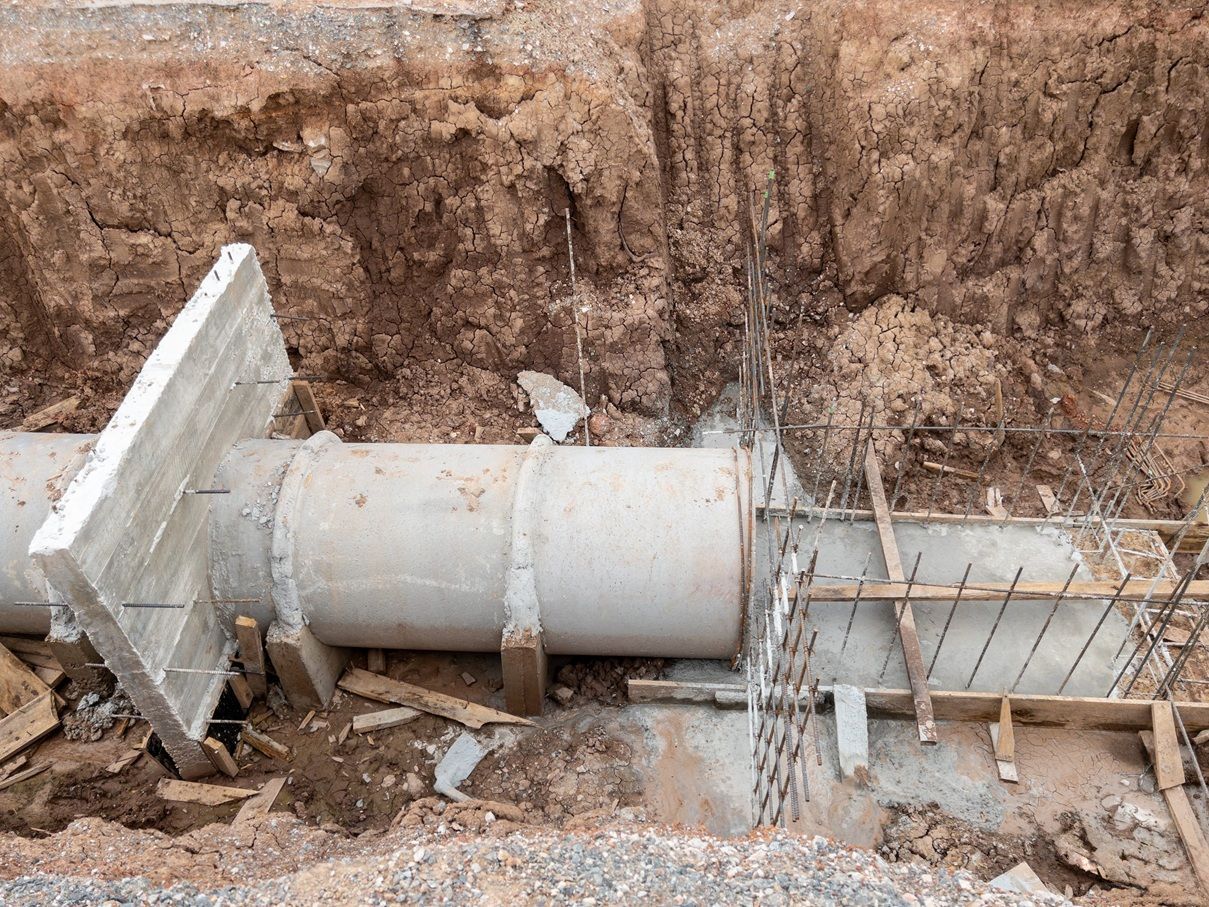
Learn why excavation and drainage should be planned together before building, grading, driveway work, or site preparation near East Bend, NC.
August 27, 2026
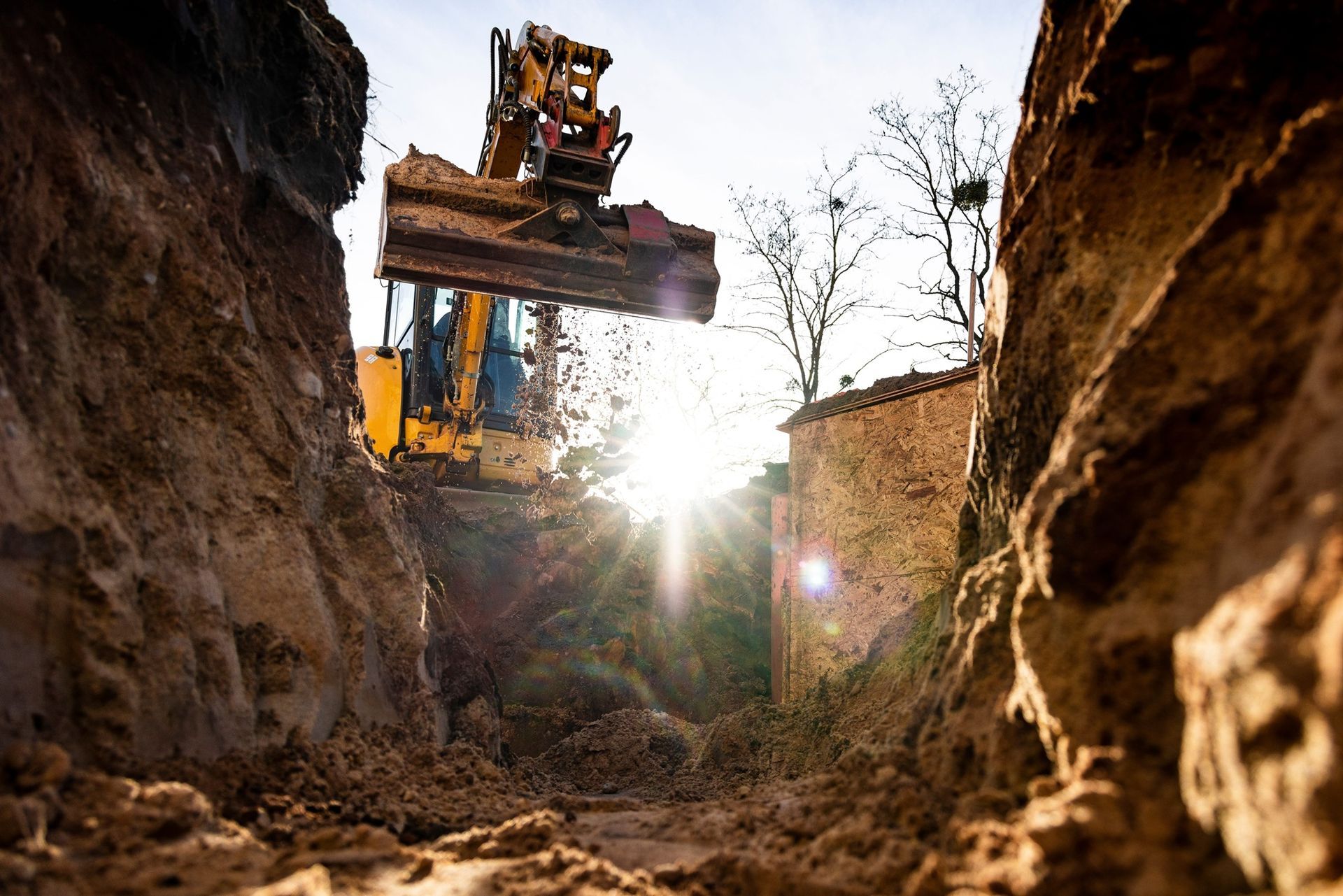
Learn what to consider before excavating a building site, including access, soil, drainage, cut and fill, utilities, hauling, compaction, and building-pad preparation near East Bend, NC.

FAQs

Erosion Control and Retaining-Wall Questions
  • What types of erosion problems do you handle?

    We help with washouts, eroded slopes, failed driveway shoulders, ditch erosion, culvert-outlet damage, pond-bank erosion, unstable fill, sediment movement, and other soil-loss concerns.

  • Can you repair a slope without building a retaining wall?

    Sometimes. Regrading, drainage correction, riprap, erosion blankets, vegetation, or other stabilization may be enough depending on the slope, soil, space, and water conditions.

  • Do you build retaining walls?

    The exact wall scope depends on the project. W Brown Construction LLC provides retaining-wall-related dirt work such as excavation, base preparation, drainage, backfill, regrading, material handling, and site preparation. Any structural wall requirements should be confirmed for the specific project.

  • Why is drainage important behind a retaining wall?

    Water trapped behind the wall can increase pressure, soften the backfill, move soil, and contribute to wall failure. Drainage stone, pipe, suitable backfill, and a working outlet may be needed.

  • Can you repair erosion around a culvert?

    Yes. The work may include inlet correction, outlet protection, riprap, ditch shaping, excavation, grading, backfill, and rebuilding damaged driveway or slope areas.

  • Will repaired slopes need seeding or stabilization?

    Often. Disturbed soil may need seeding, blankets, stone, riprap, or another form of protection depending on slope, runoff, soil, weather, and final use.

Stabilize the Ground Before the Damage Spreads
Orange-and-white traffic cone on a square base
Protect slopes, access, structures, and usable property from continued soil loss.
Orange-and-white traffic cone on a square base
Correct the water path and rebuild the damaged area around real site conditions.
Orange-and-white traffic cone on a square base
Begin with a review of the slope, drainage, soil, and visible movement.
Ready to Address the Erosion or Slope Problem?
Tell us where the damage is located, what happens during rain, what has already been repaired, and what areas or structures may be affected.