






W Brown Construction LLC installs, rebuilds, grades, widens, drains, and improves gravel driveways for residential, commercial, rural, agricultural, and construction properties.
From a new entrance on raw land to a washed-out driveway that needs a stronger base, we build around access, water flow, ground conditions, and the way the driveway will actually be used.


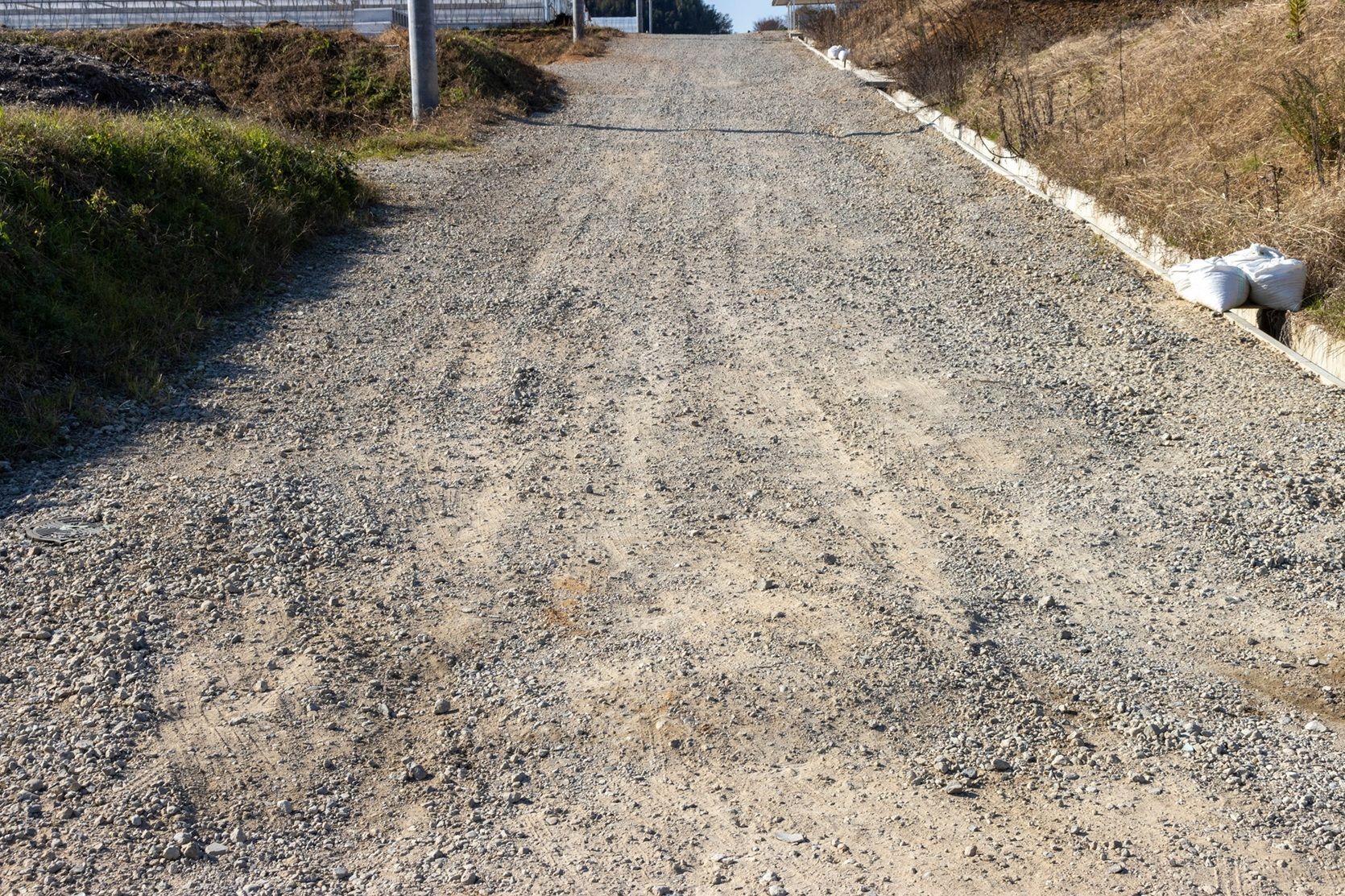
A gravel driveway is more than a layer of stone spread across the ground. Its long-term performance depends on the soil beneath it, the quality and depth of the base, how water leaves the surface, the driveway slope, the entrance design, and the level of traffic it must support.
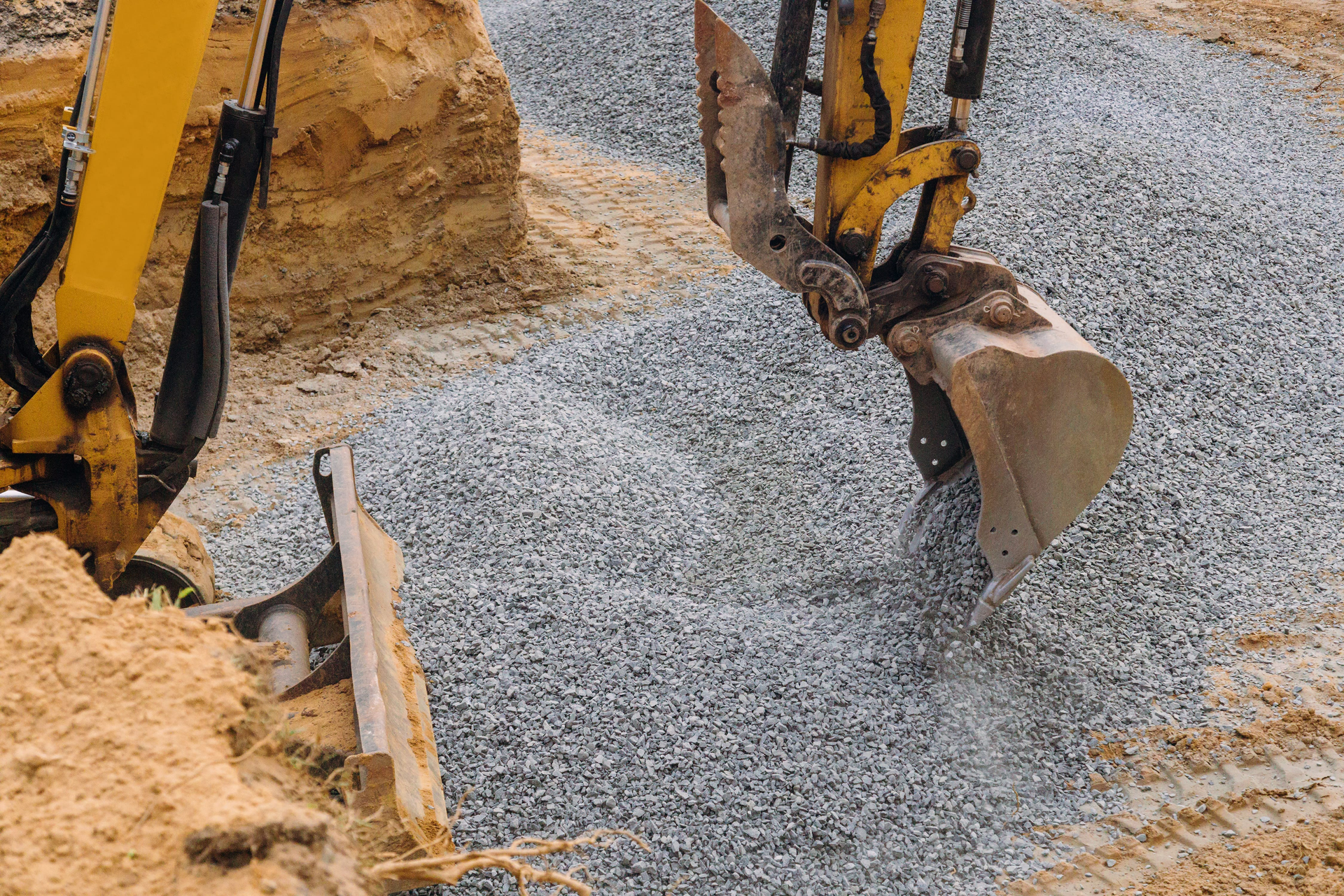
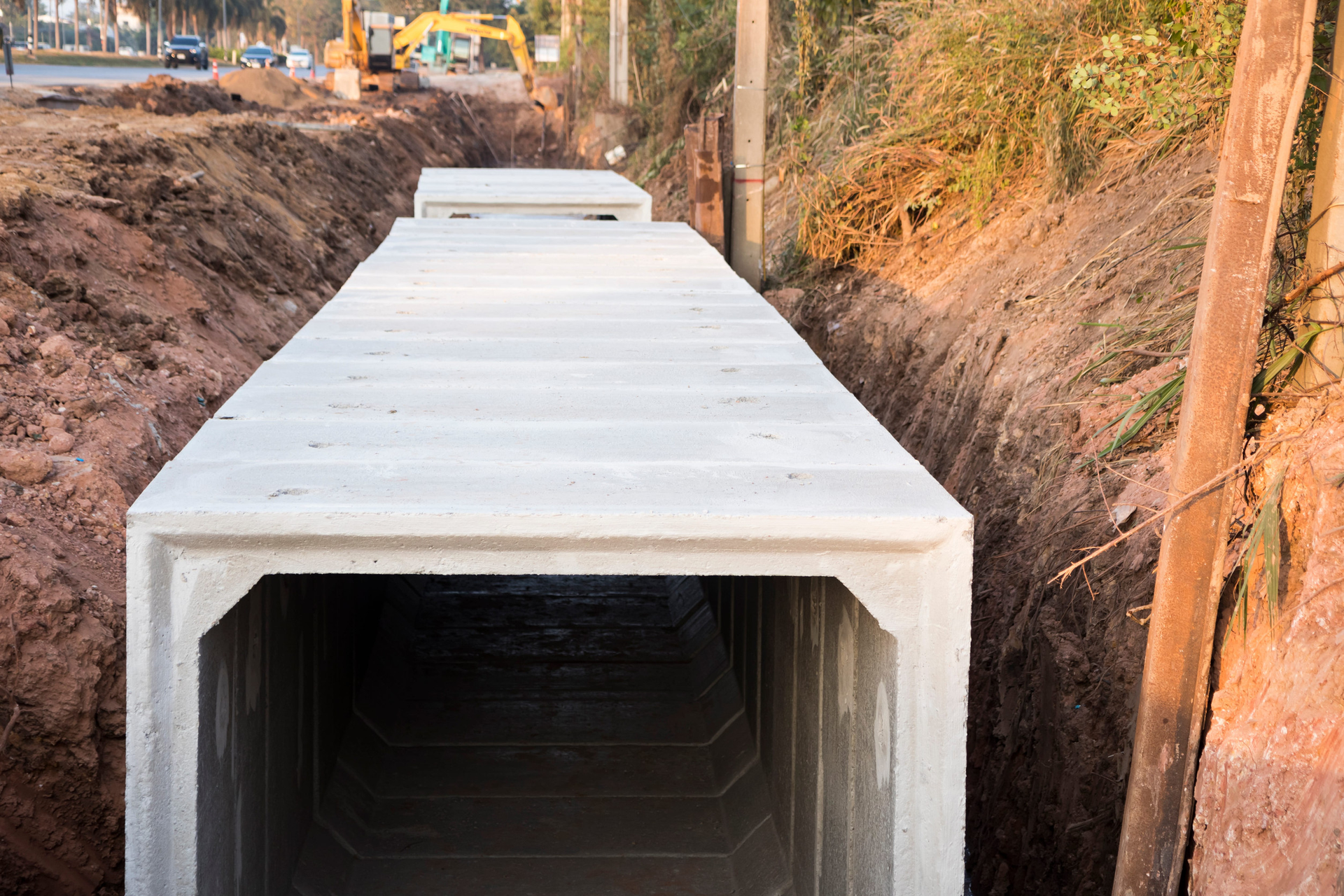
W Brown Construction LLC builds and improves gravel driveways throughout East Bend and surrounding communities. Projects may include new construction, complete driveway rebuilding, widening, regrading, drainage correction, culvert installation, base stabilization, rock placement, compaction, and private-road improvements.
We plan the driveway around the property. A short residential entrance, steep rural driveway, farm road, commercial access lane, or construction entrance may each require a different approach.
The goal is dependable access that sheds water, supports regular use, and holds up better over time.
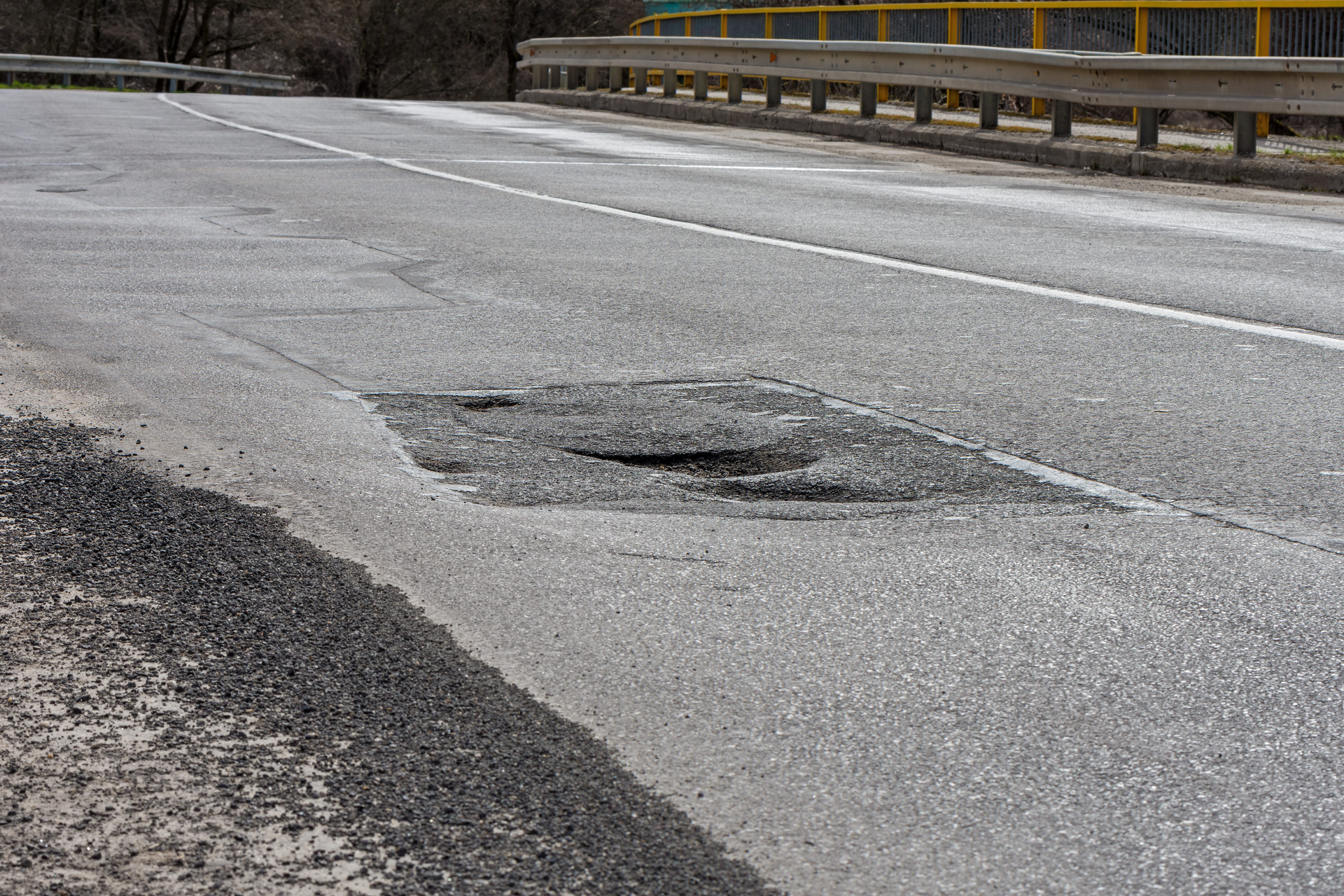
- Deep potholes
- Ruts and tire tracks
- Gravel washing downhill
- Muddy or soft sections
- Standing water
- Water running down the driveway
- Repeated washouts after heavy rain
- Exposed soil or clay
- Thin or missing gravel
- Narrow access for vehicles or equipment
- Steep or difficult entrances
- Poor transition at the road
- Damaged or undersized culverts
- Ditches that no longer move water
- Weak edges that break down
- Areas that settle under traffic
- Construction access that cannot support trucks or equipment
- Old driveways that have lost their shape and crown
- Potholes return shortly after they are filled
- Rainwater travels down the center of the driveway
- Gravel repeatedly washes into the yard or ditch
- Vehicles sink or spin in wet weather
- The driveway stays soft after rain
- Ruts continue getting deeper
- The surface no longer has a defined crown
- Water collects along the edges
- The culvert backs up or overflows
- The driveway has become too narrow
- Low areas hold water
- The entrance is difficult for trailers or delivery vehicles
- Large trucks damage the surface
- The driveway needs to support construction equipment
- Gravel disappears into the soil
- You are planning a new home, shop, barn, or commercial building

A gravel driveway performs best when every layer has a clear job.
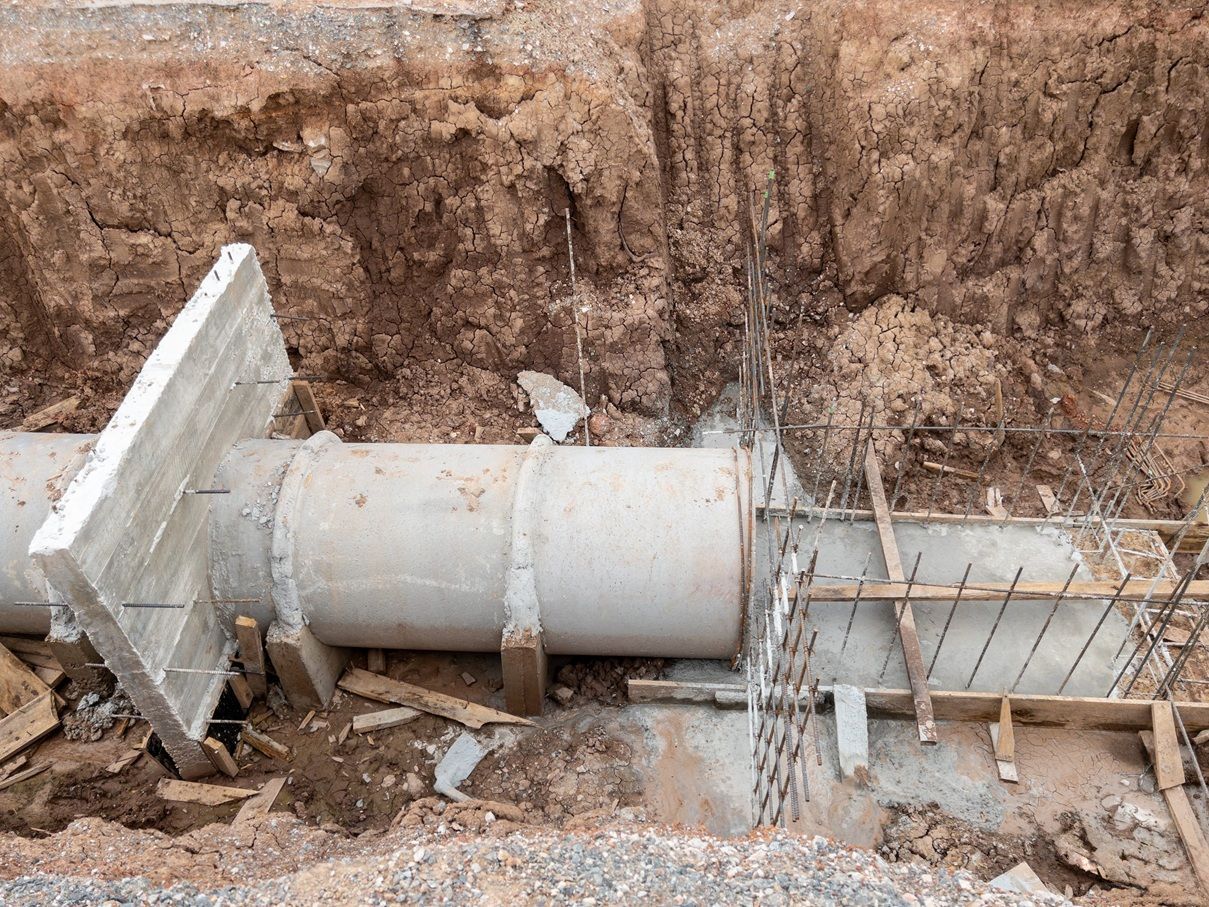
The subgrade is the existing ground beneath the driveway. If it is soft, poorly drained, or filled with unsuitable material, the surface can settle and rut.
The base creates structural support. The right material, depth, placement, and compaction help distribute vehicle weight and reduce movement.
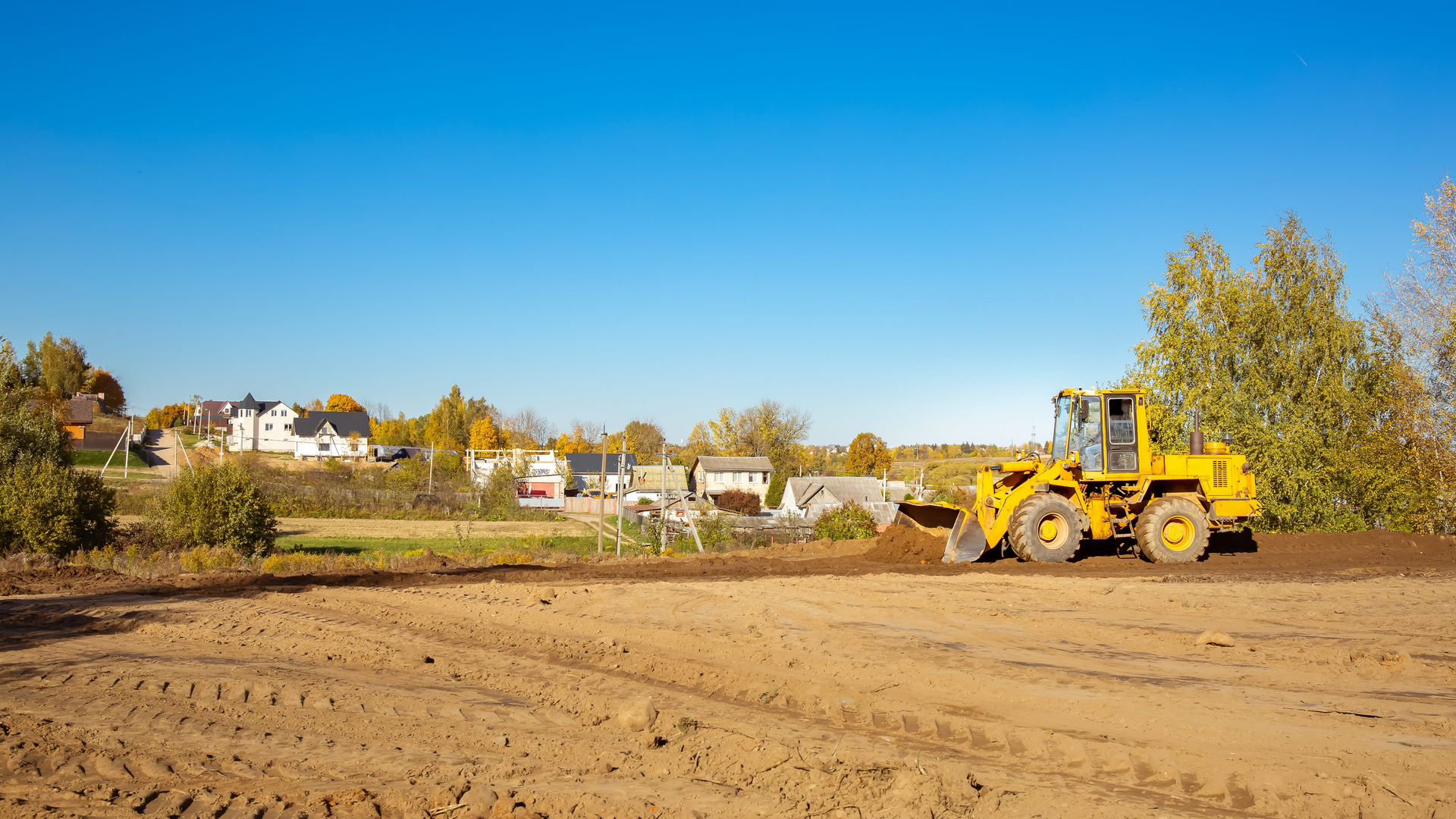
The surface layer provides the final driving surface. It should be shaped to move water away rather than allowing runoff to travel directly down the driveway.
Drainage is equally important. A properly constructed driveway may need:
- A defined crown or cross slope
- Roadside ditches
- Turnouts
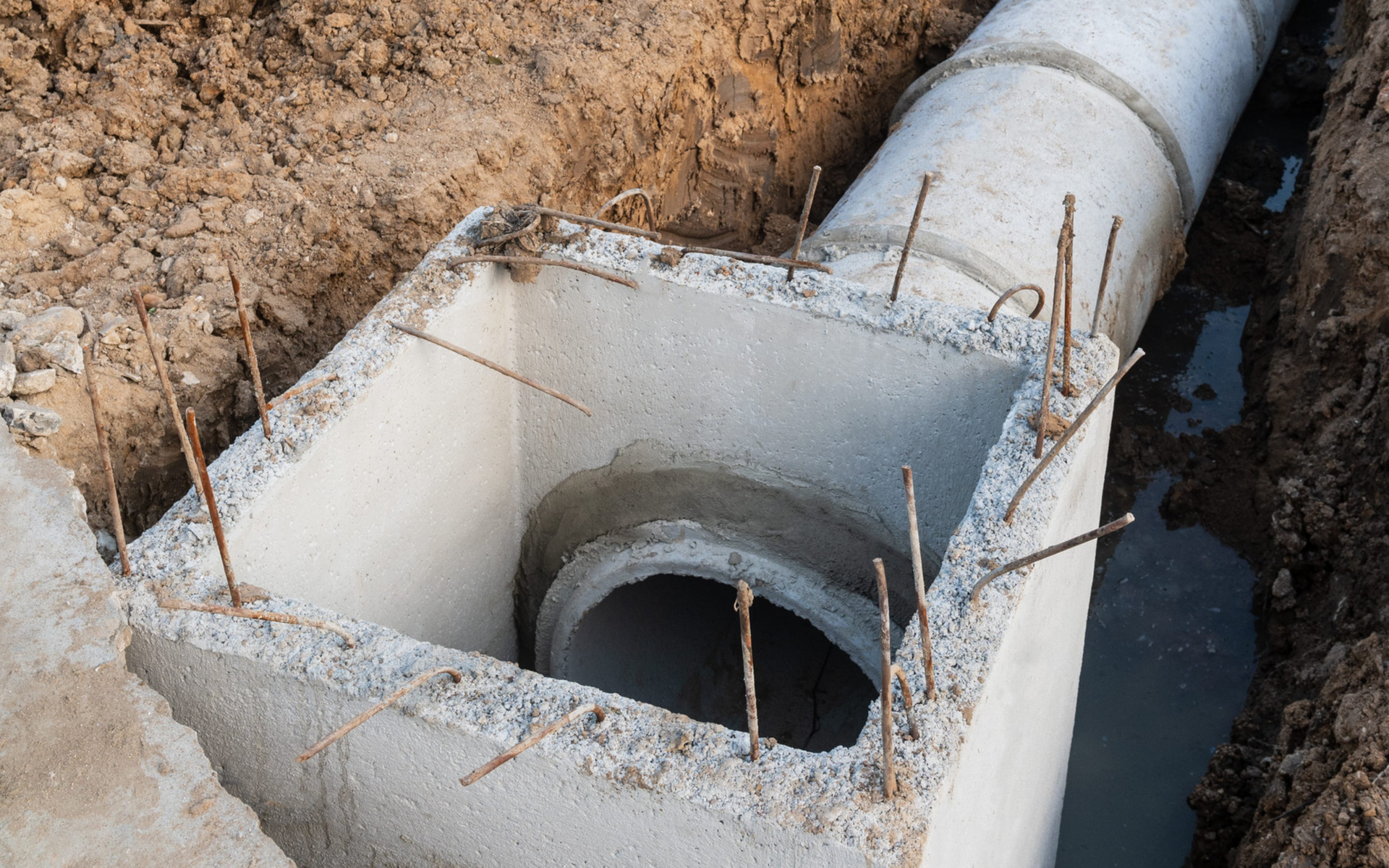
- Culverts
- Outlet protection
- Grade changes
- Stabilized shoulders
- Additional drainage near low areas
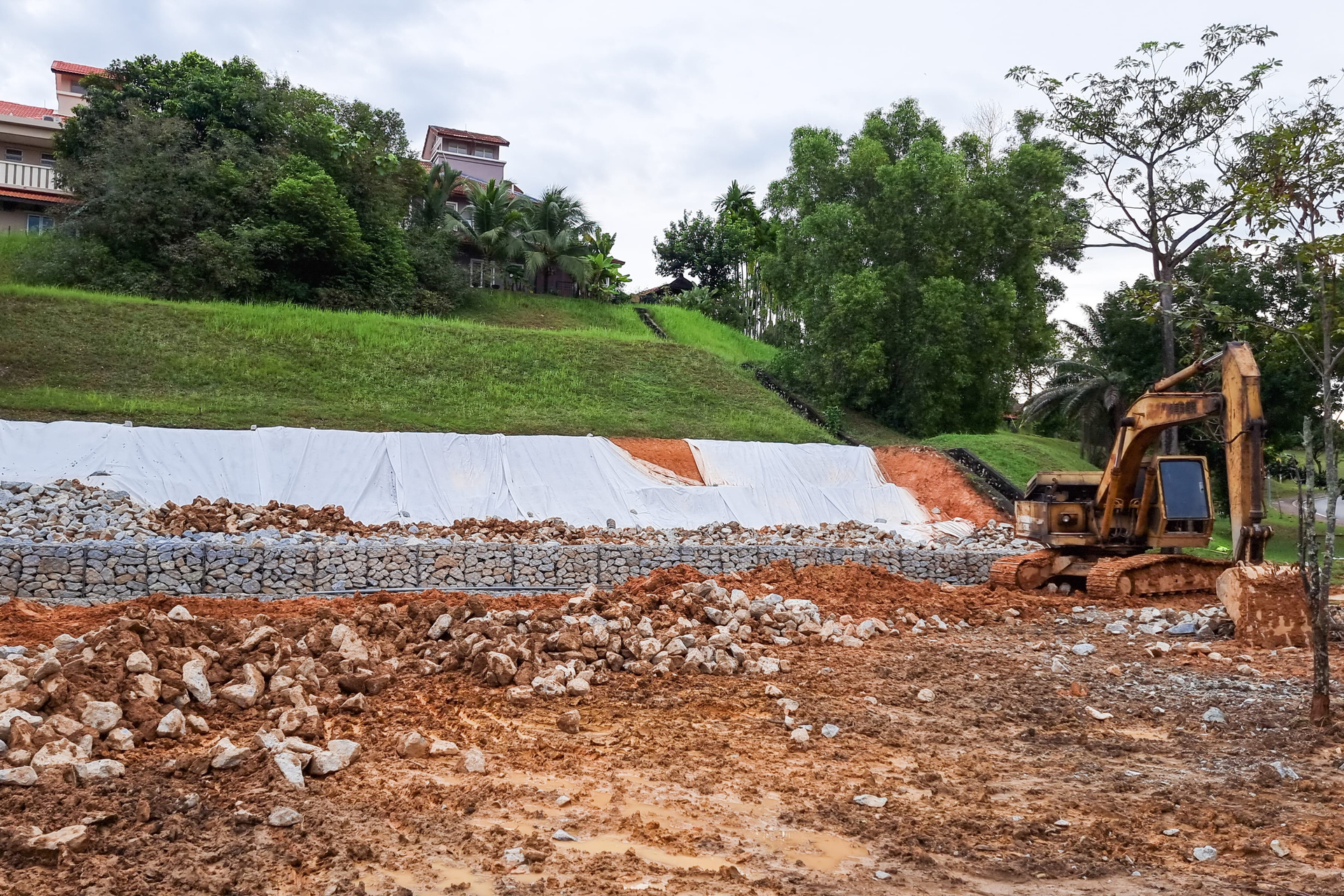
- Erosion control at discharge points
Traffic also matters. A private residential driveway has different demands than a farm road, commercial entrance, or construction route carrying loaded trucks.
The best solution is based on the property, not a one-size-fits-all amount of gravel.
Our Process


Services


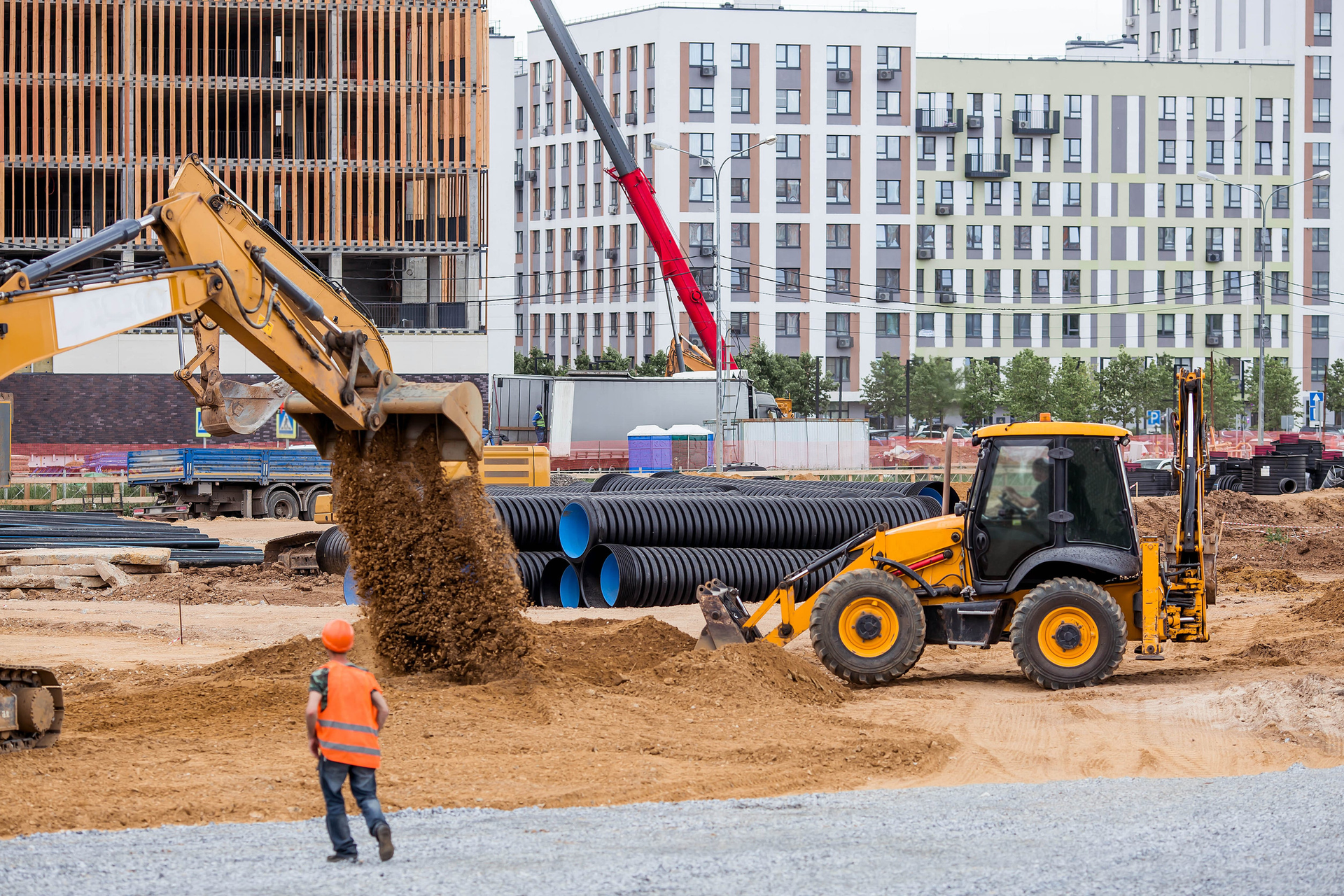
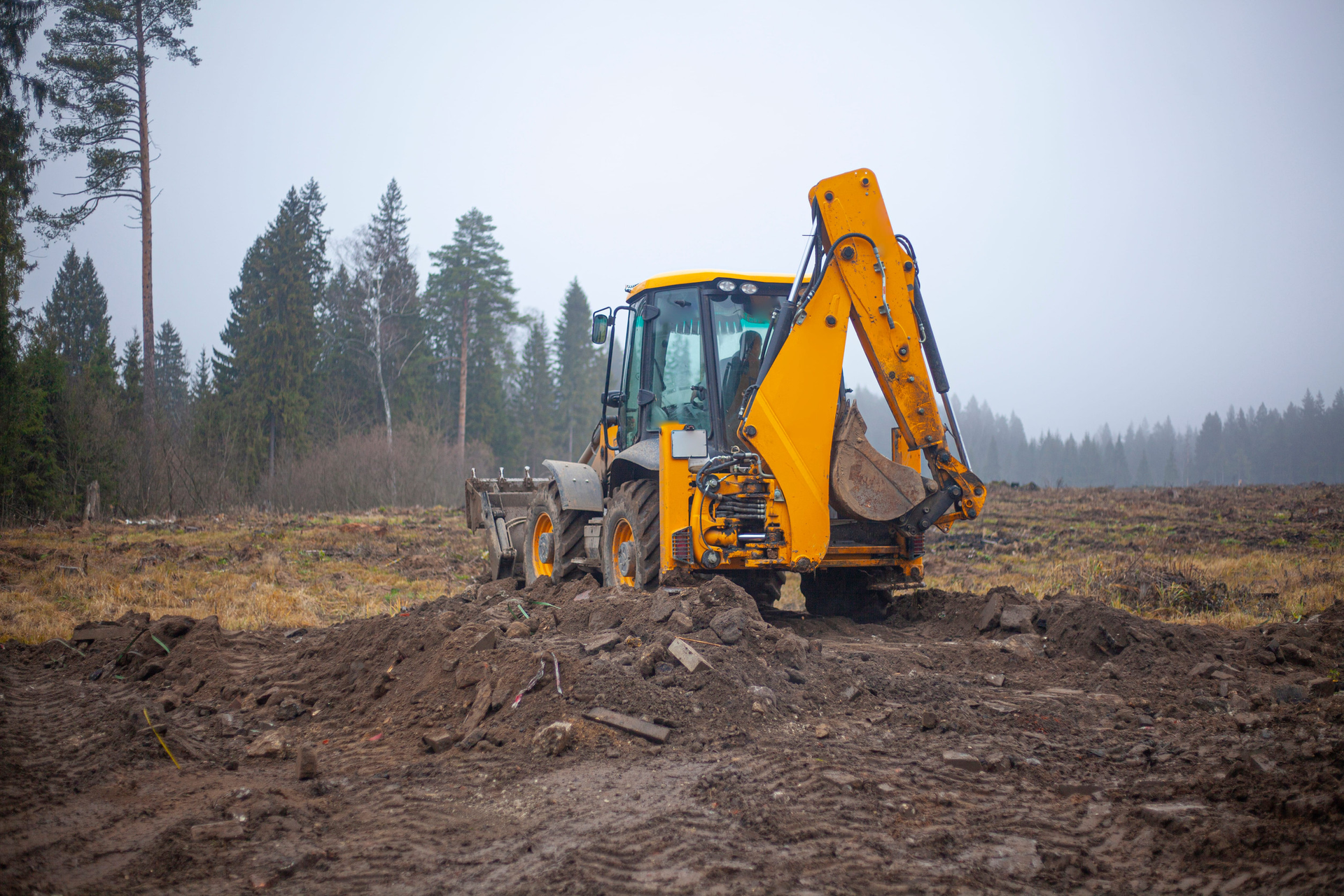
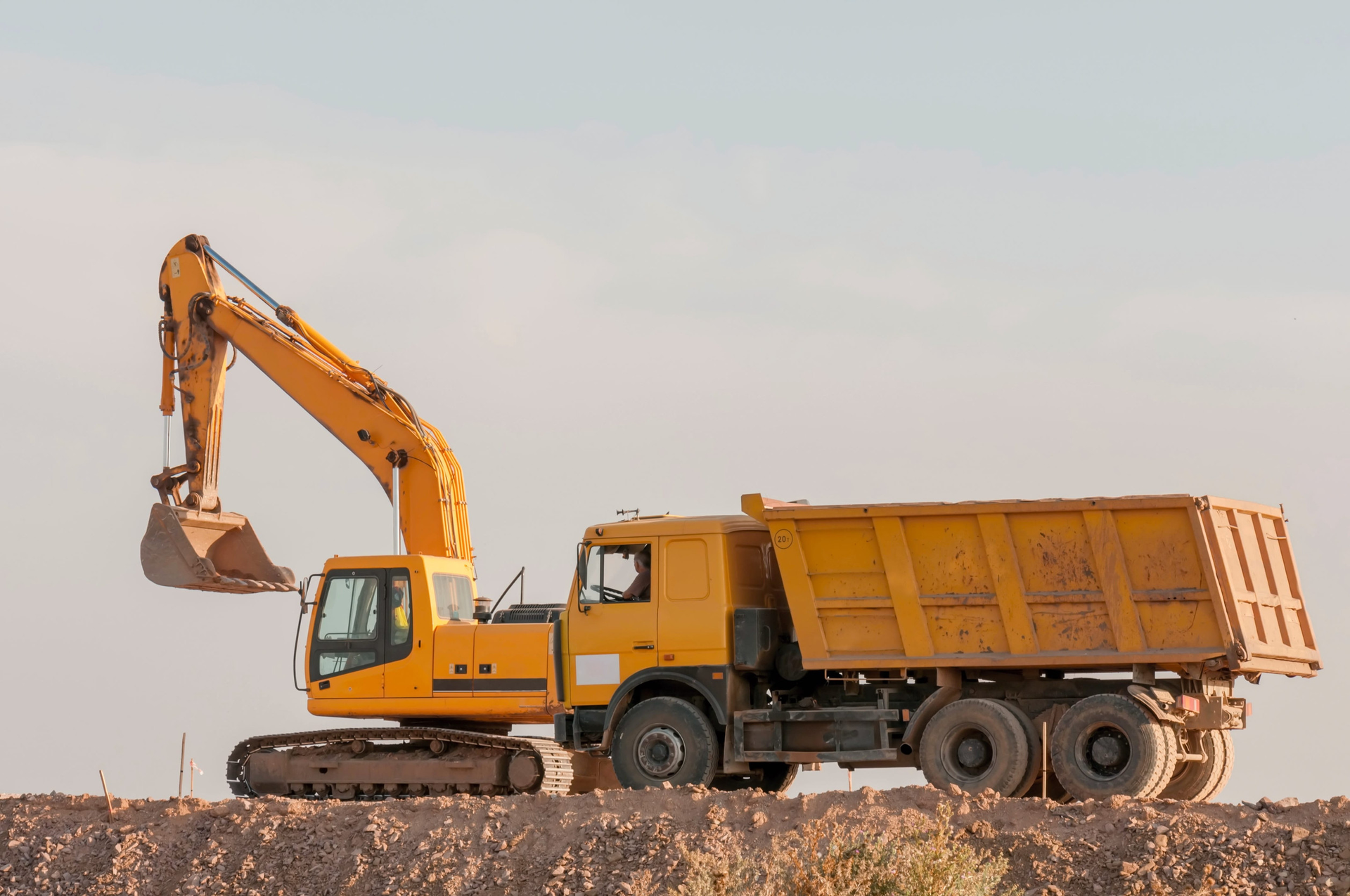
W Brown Construction LLC brings excavation, grading, drainage, culvert, hauling, and site-preparation capability into the same project.
That broader approach helps us address the reason a driveway is failing instead of treating only the visible surface.
Why Choose Us?


Primary service areas include:
East Bend
Yadkinville
Boonville
Jonesville
Elkin
Dobson
Pilot Mountain
Mount Airy
King
Rural Hall
Tobaccoville
Pfafftown
Lewisville
Clemmons
Winston-Salem
Walkertown
Kernersville
Mocksville
Advance
Bermuda Run
Harmony
Statesville
Lexington
Wilkesboro
North Wilkesboro
Blogs
FAQs
Do you install new gravel driveways?
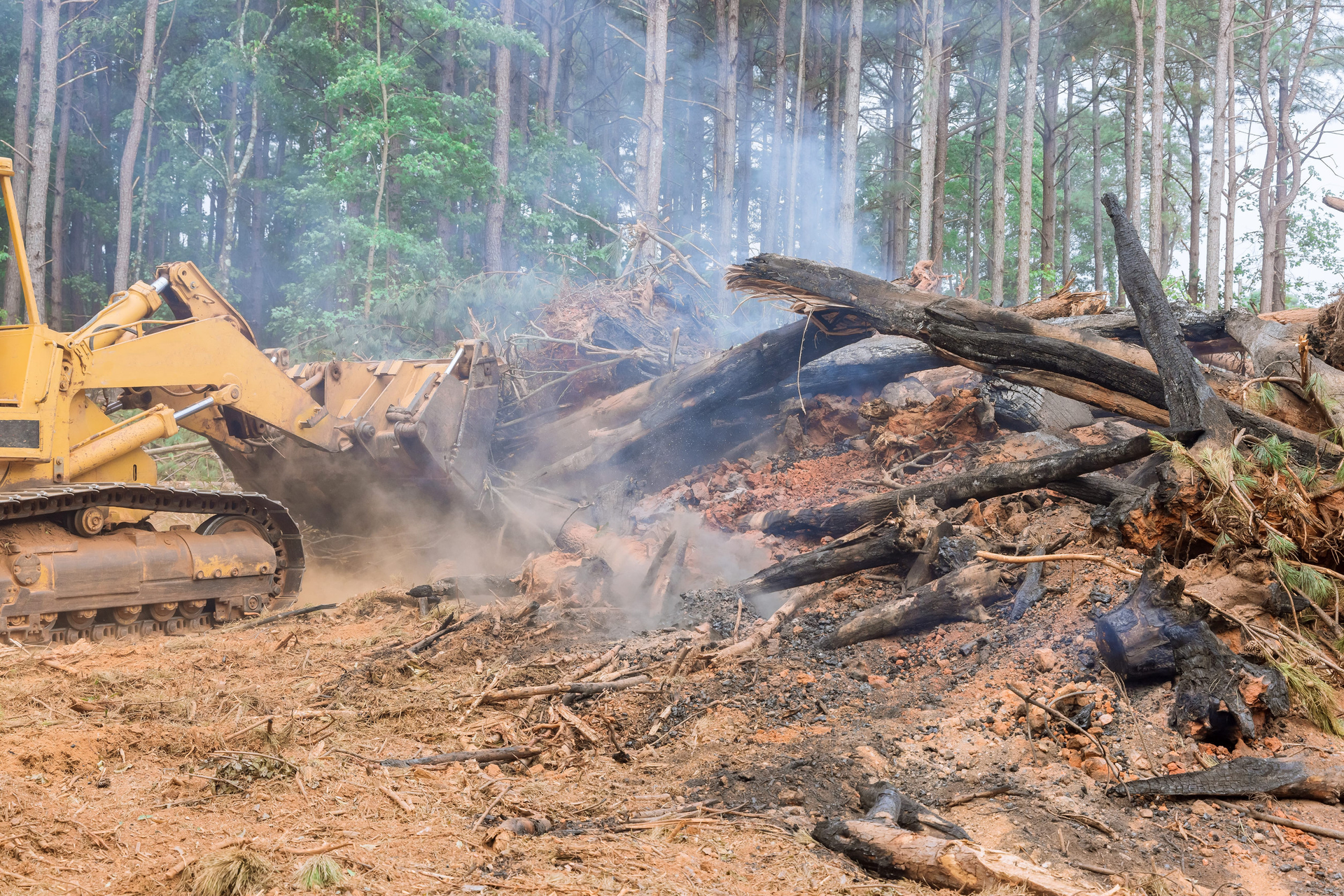
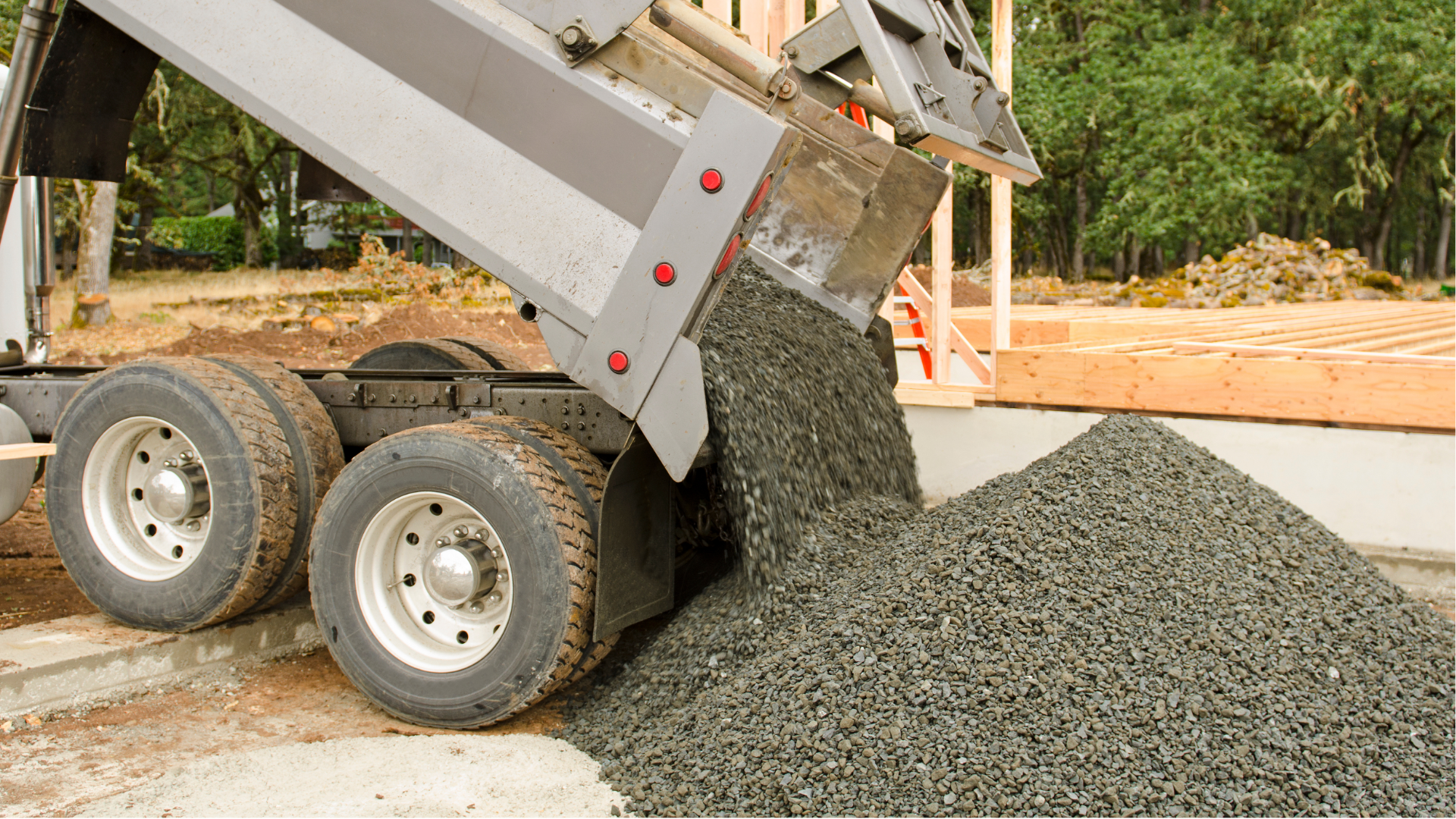
Yes. New-driveway projects may include clearing, excavation, route preparation, drainage, culverts, subgrade correction, base material, gravel placement, grading, and compaction.
Can you rebuild an existing gravel driveway?
Yes. Rebuilding may involve reshaping the driveway, correcting soft areas, improving drainage, replacing base material, adding gravel, widening the route, repairing culverts, and compacting the finished surface.
Why does my driveway keep washing out?
Repeated washouts are often connected to water running down or across the driveway, poor crown, blocked ditches, failed culverts, steep slope, weak outlets, or insufficient base preparation.
Can you repair potholes and ruts?
Yes, but lasting repair may require correcting the cause beneath the damaged surface. Simply filling potholes may not solve problems involving water, soft soil, weak base, or poor driveway shape.
Do you install driveway culverts?
Culvert installation or replacement may be included when needed for property access and water flow. The scope depends on the site, drainage conditions, roadway requirements, and outlet area.
What type of gravel should be used?
The appropriate material depends on the soil, traffic, driveway condition, project stage, drainage, and whether the material is being used for the base or finished surface.
How wide should a gravel driveway be?
Driveway width depends on vehicle use, turns, passing needs, trailers, equipment, emergency access, drainage, and the available property area.
Can you build private roads or farm roads?
Yes. Longer access routes, farm roads, private roads, and construction entrances may include clearing, excavation, drainage, culverts, grading, base work, material placement, and compaction.