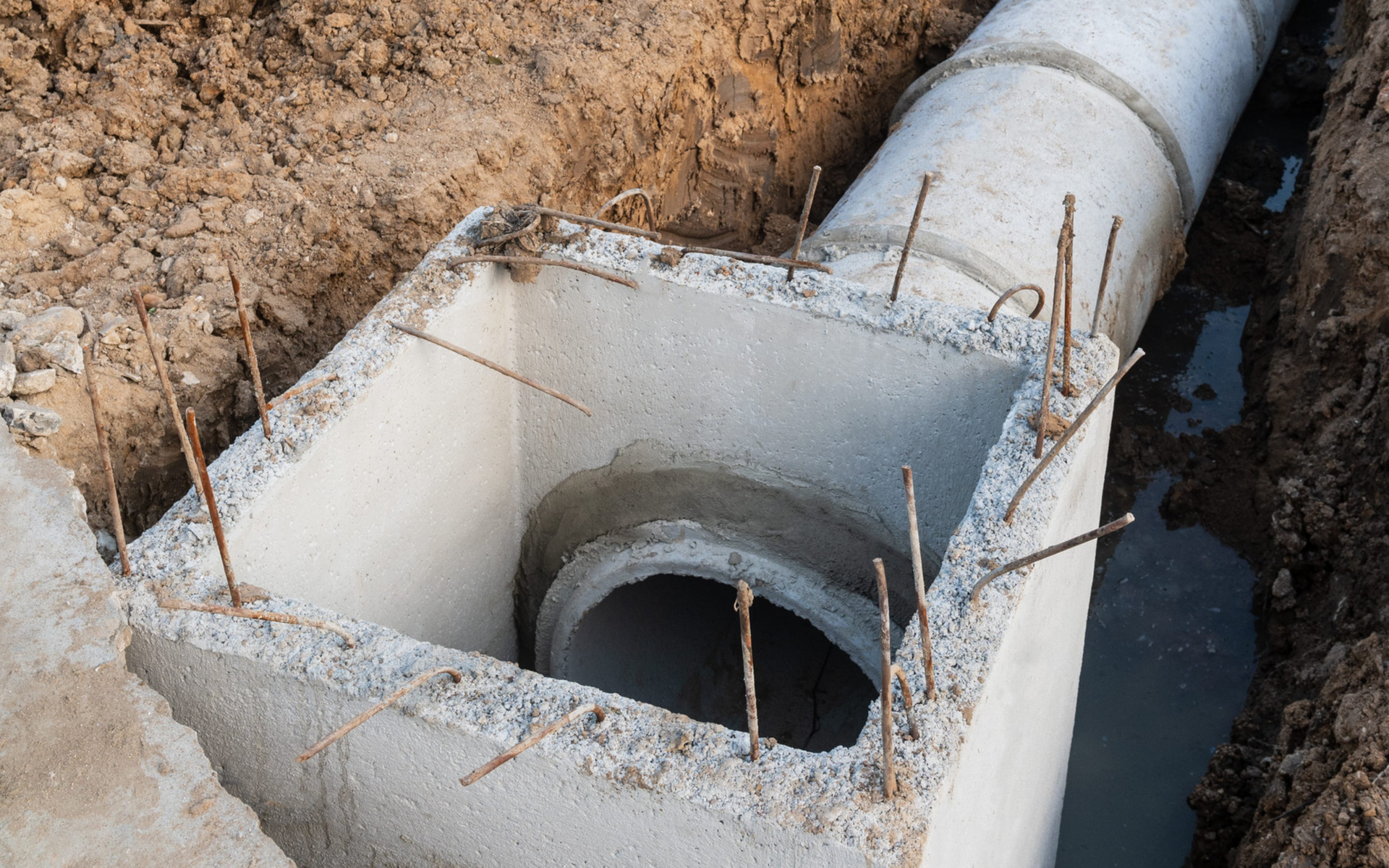
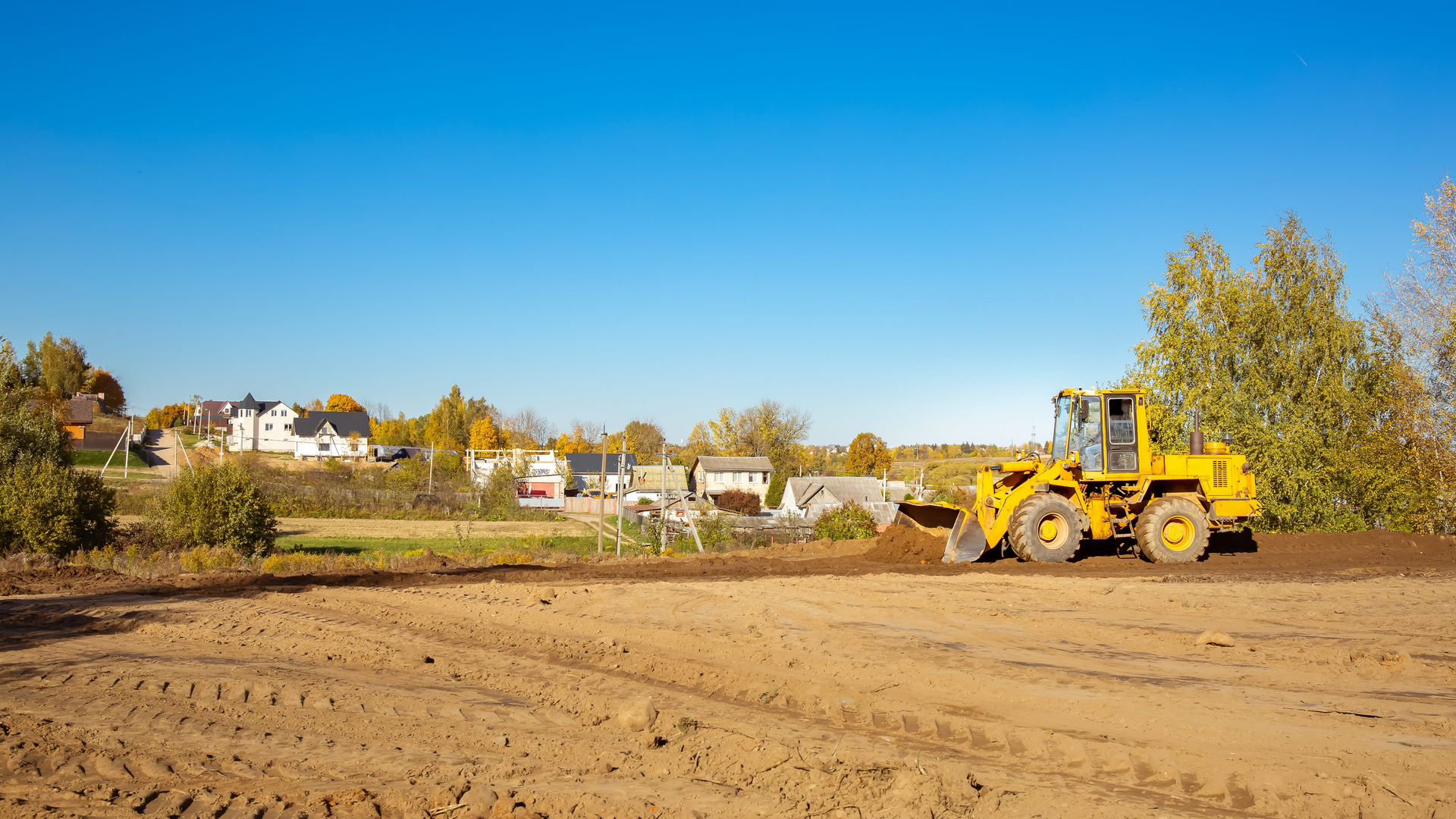
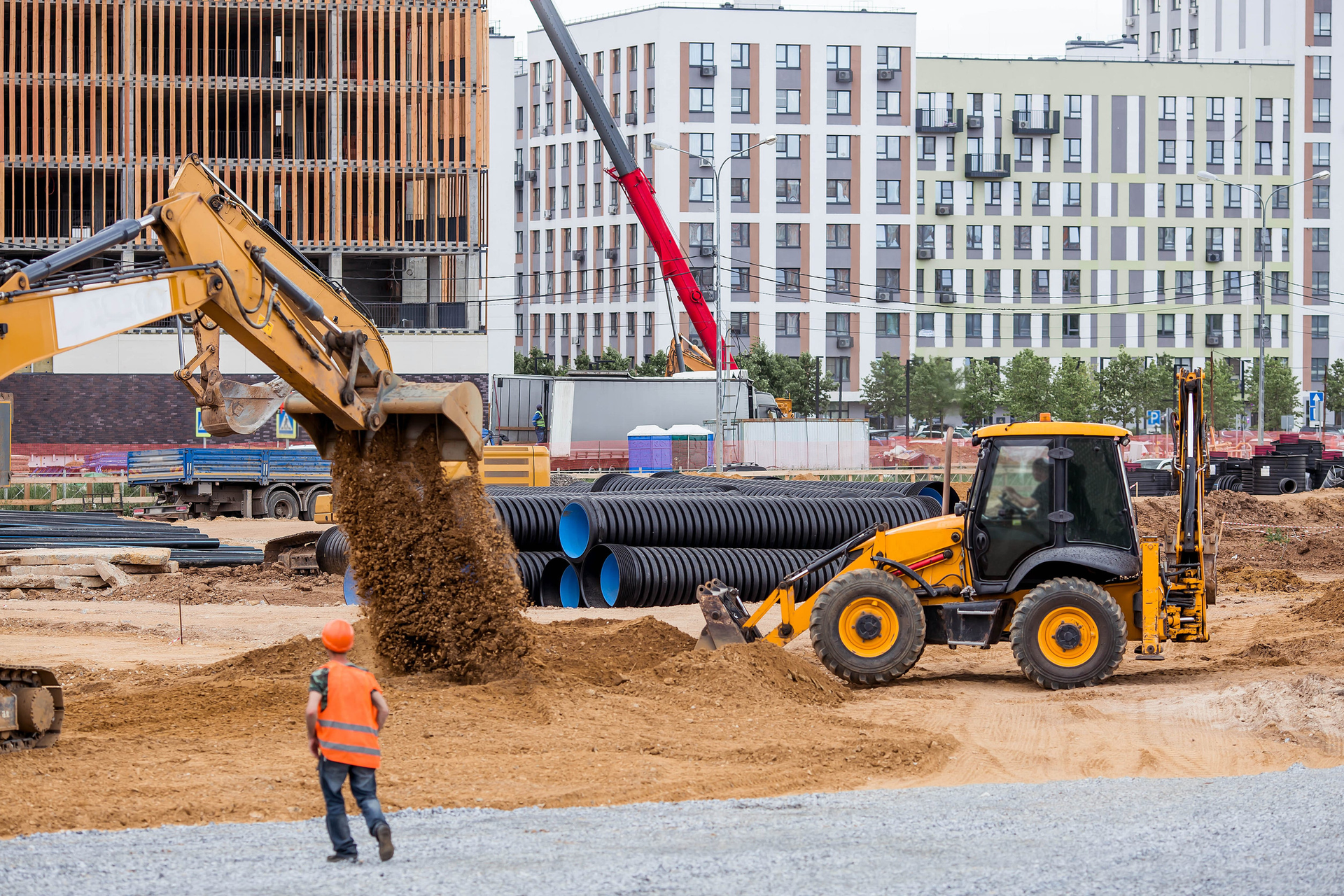
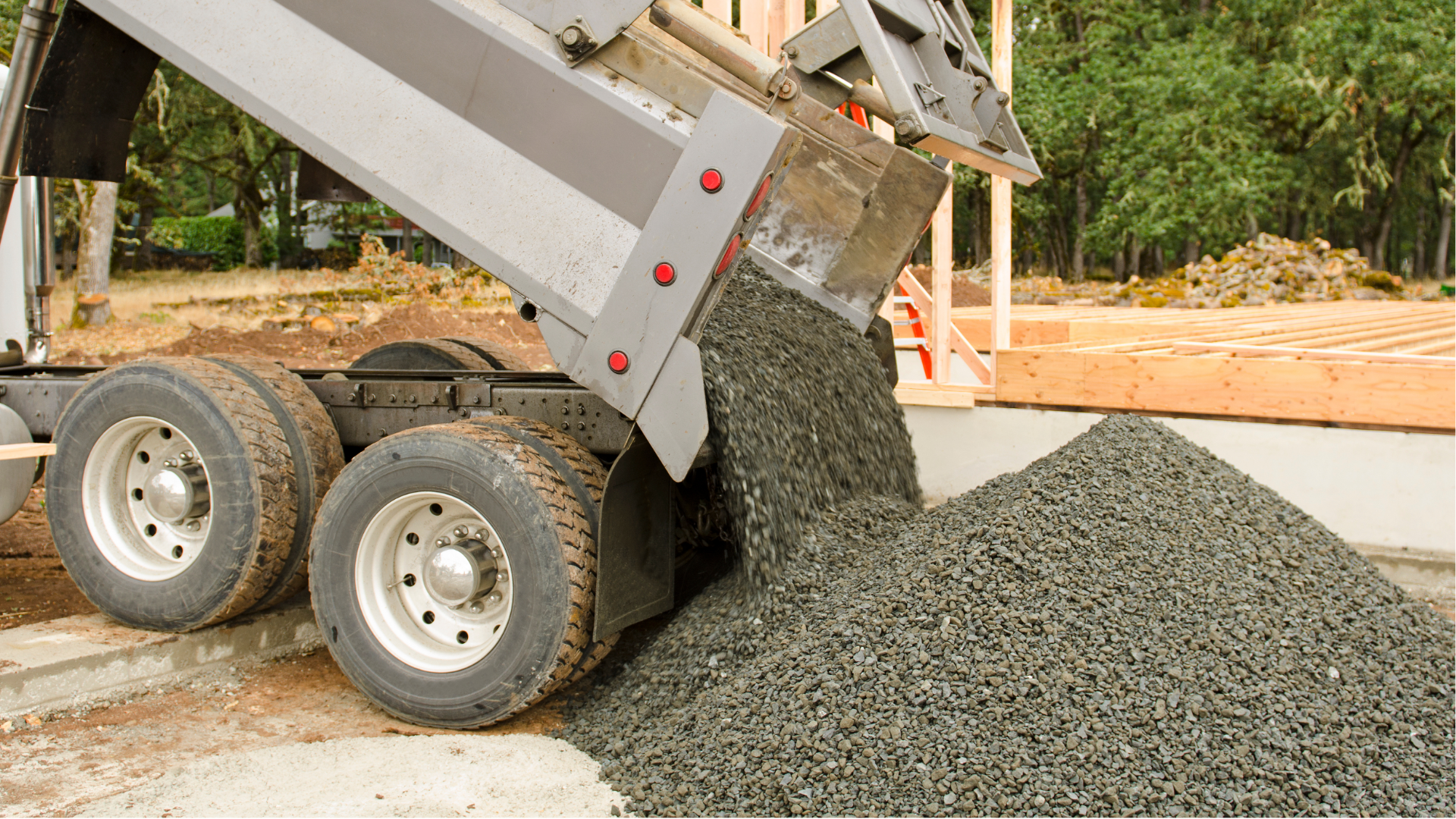
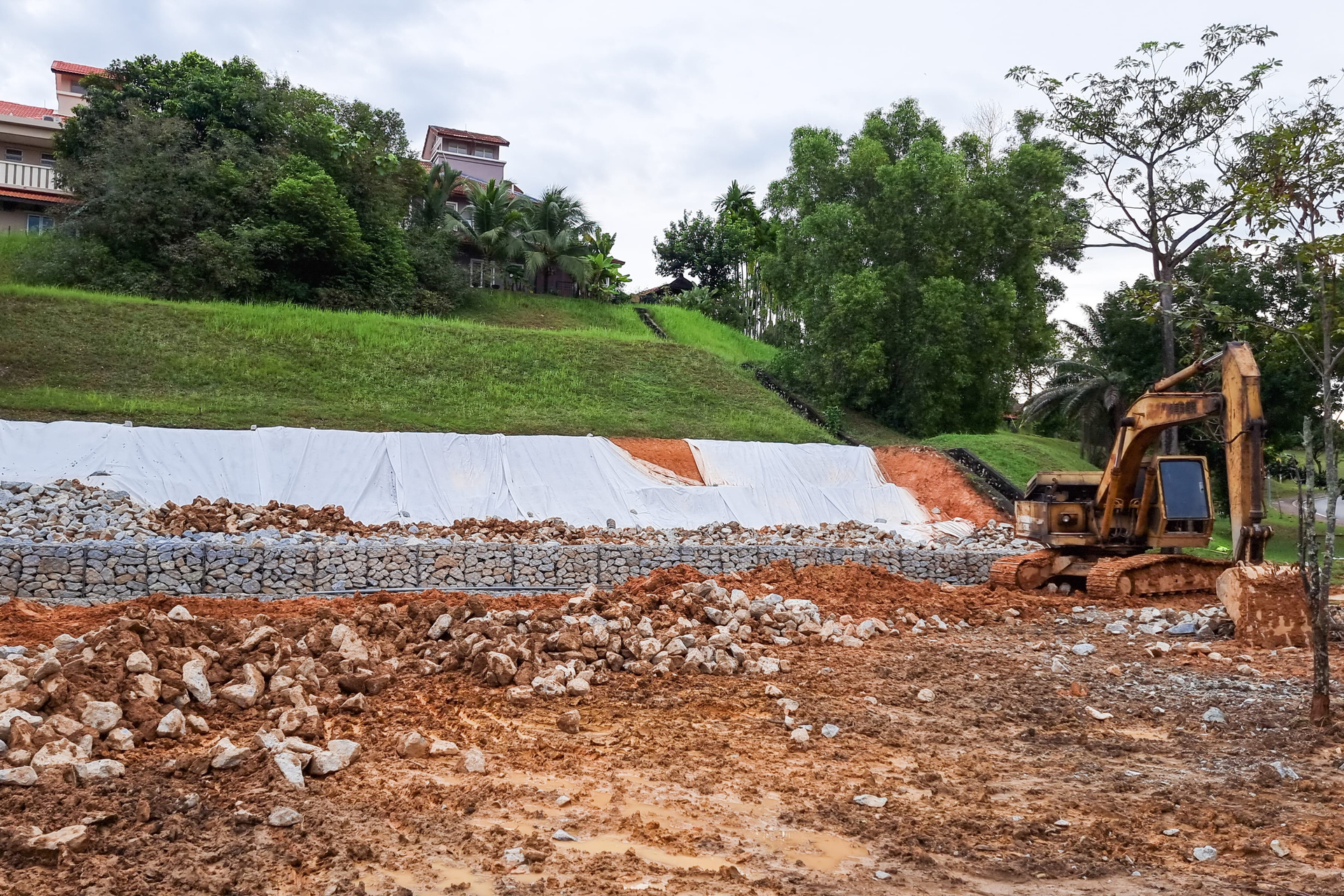
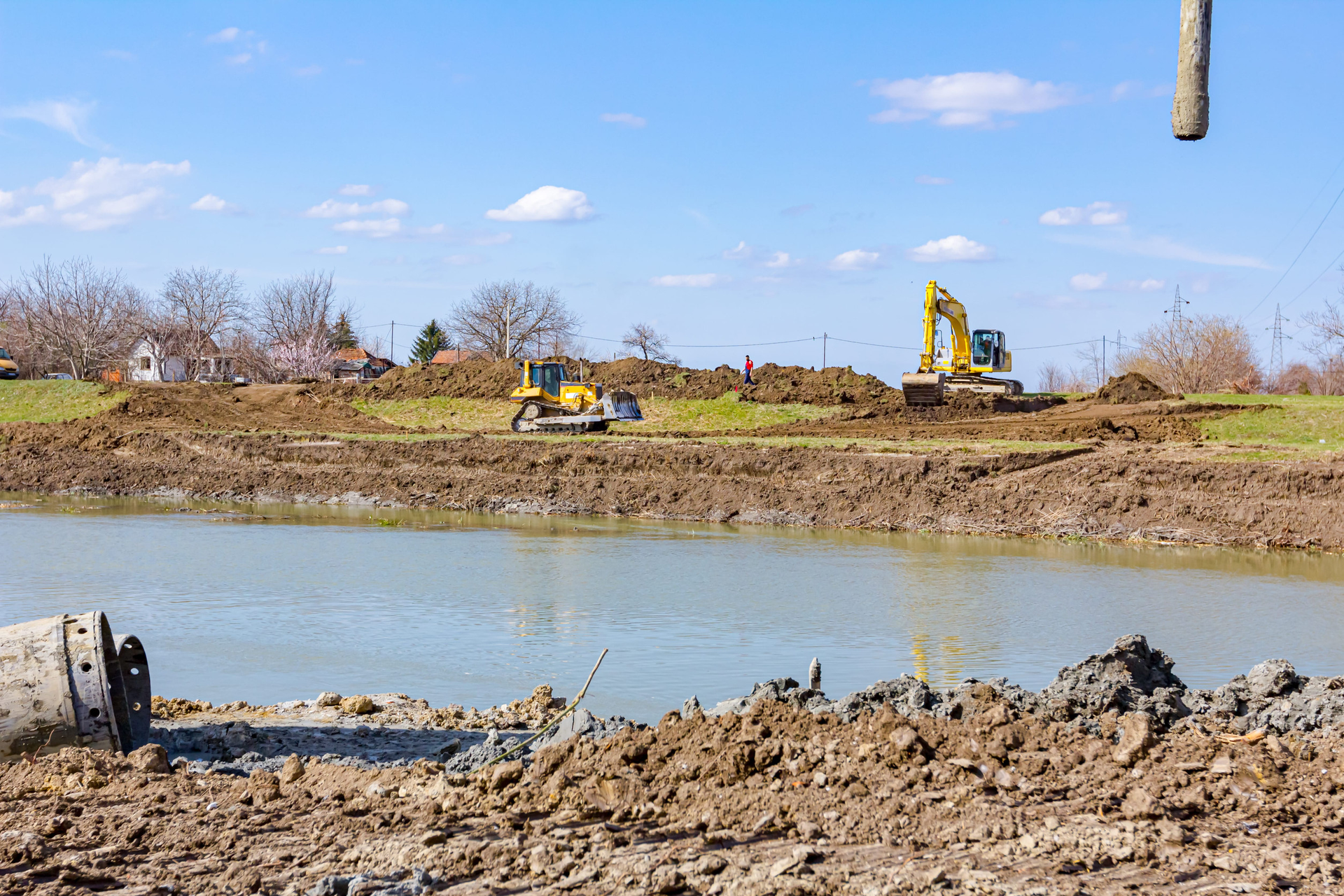


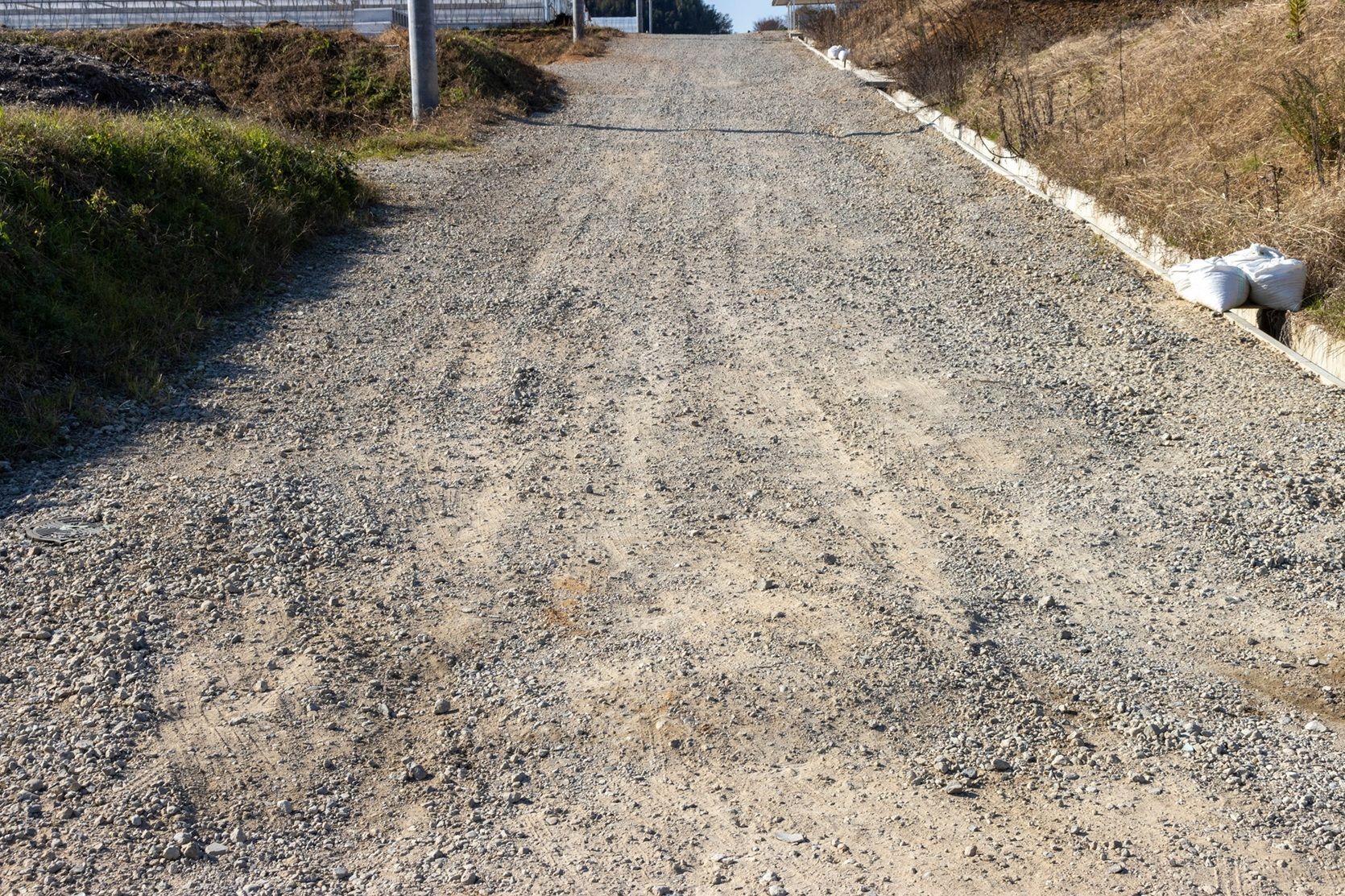


Water follows elevation, soil conditions, structures, roads, driveways, and any changes made to the land.
When the grade, outlet, culvert, ditch, pipe, or crossing is not working correctly, water may collect in low areas, wash gravel away, saturate building pads, erode slopes, damage access, or move toward structures.
W Brown Construction LLC provides drainage and stormwater solutions for residential properties, rural acreage, construction sites, farms, driveways, commercial lots, ponds, and other problem areas throughout East Bend and nearby communities.
The goal is not simply to move water away from one wet spot. It is to understand where the water begins, how it travels, what it is damaging, and where it can safely leave the property.
- Standing water in yards or low areas
- Water collecting near houses, shops, garages, or barns
- Gravel driveways that repeatedly wash out
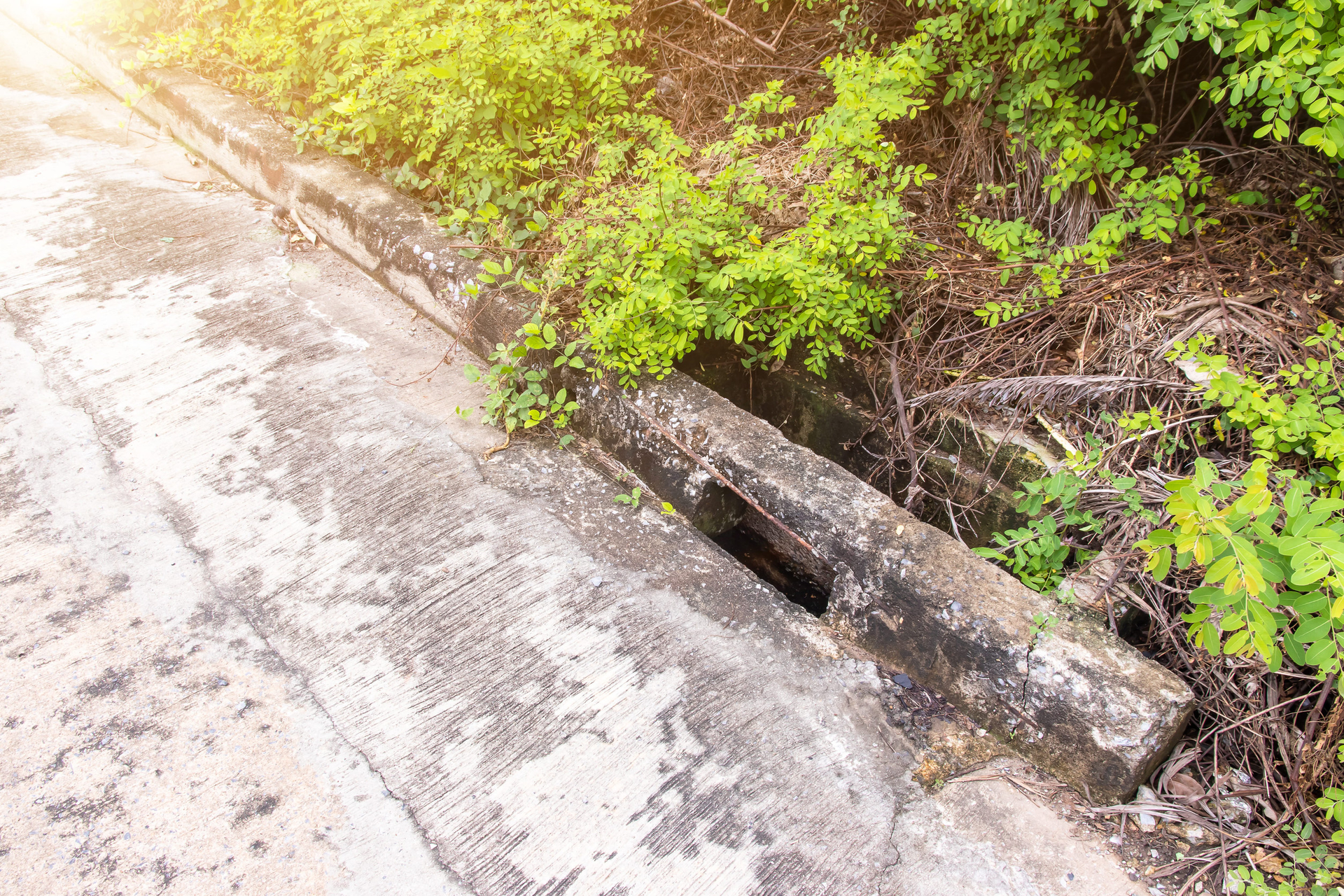
- Culverts that overflow or stay blocked
- Water crossing driveways or access roads
- Soft or muddy ground
- Failed roadside ditches
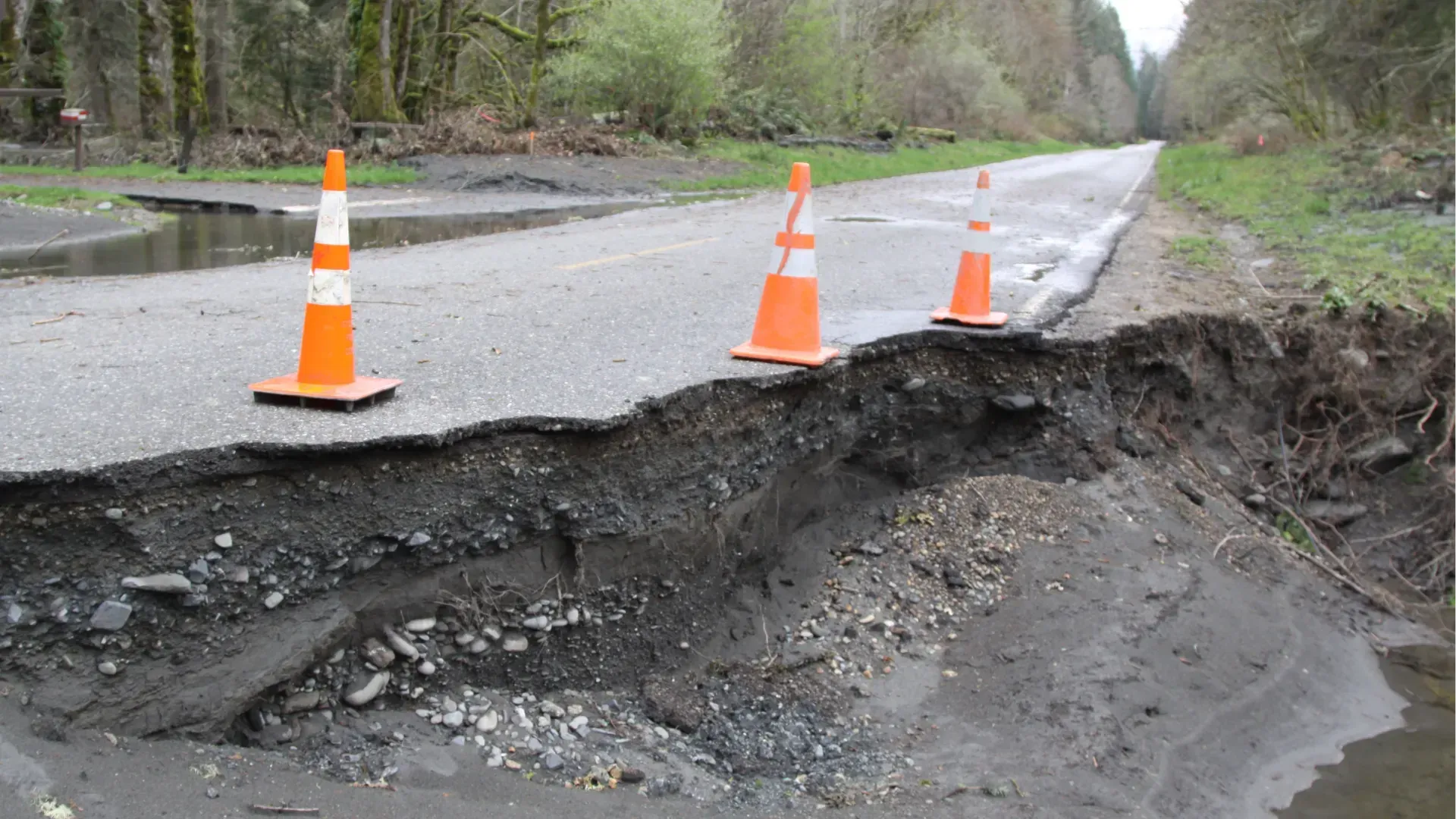
- Erosion on slopes and banks
- Water trapped behind fill
- Roof runoff damaging the ground
- Commercial lots with ponding
- Construction sites holding water
- Sediment filling drainage paths
- Pond or basin overflow problems
- Water entering from neighboring or uphill property
- Drainage outlets causing new erosion
- Water remains long after surrounding ground has dried
- The same section of driveway washes out after heavy rain
- Gravel moves downhill or into the ditch
- Water flows toward a building
- The ground stays soft during otherwise dry conditions
- A culvert regularly overflows
- Ditches hold water instead of carrying it away
- Soil is eroding from slopes or banks
- Mud pushes through gravel
- Low areas keep settling
- Water crosses the driveway
- A wet area is expanding
- Downspouts discharge into problem areas
- Construction work has changed the natural water path
- A retaining area remains saturated
- You are not sure where the water can safely exit

Installing pipe or digging a ditch does not automatically solve a water problem.
The drainage system must have enough fall, capacity, support, and a safe place to discharge.
- Water entering from roads, roofs, slopes, or neighboring land
- Natural low areas
- Existing culverts and ditches
- Soil type and groundwater
- Driveway and building elevations
- Pipe slope
- Inlet and outlet conditions
- Erosion below the discharge point
- Future construction
- Property boundaries
- Long-term maintenance
Sending water to bare soil may create a washout. Installing pipe without enough fall may trap sediment. Raising a driveway without a culvert may block natural runoff.
The right solution depends on the full property—not only the wettest visible area.
Our Process


Services


Why Choose Us?


Primary service areas include:
East Bend
Yadkinville
Boonville
Jonesville
Elkin
Dobson
Pilot Mountain
Mount Airy
King
Rural Hall
Tobaccoville
Pfafftown
Lewisville
Clemmons
Winston-Salem
Walkertown
Kernersville
Mocksville
Advance
Bermuda Run
Harmony
Statesville
Lexington
Wilkesboro
North Wilkesboro
Blogs
FAQs
What types of drainage problems do you handle?
We help with standing water, runoff, soft ground, driveway washouts, failed ditches, culvert problems, erosion, water near structures, construction-site drainage, pond overflow, and other property water-flow concerns.
Can grading alone fix a drainage problem?
Sometimes. Surface grading may correct low areas and redirect runoff when a safe outlet is available. Other properties may also need culverts, pipe, ditches, excavation, subsurface drainage, or erosion protection.
Do you install and replace driveway culverts?
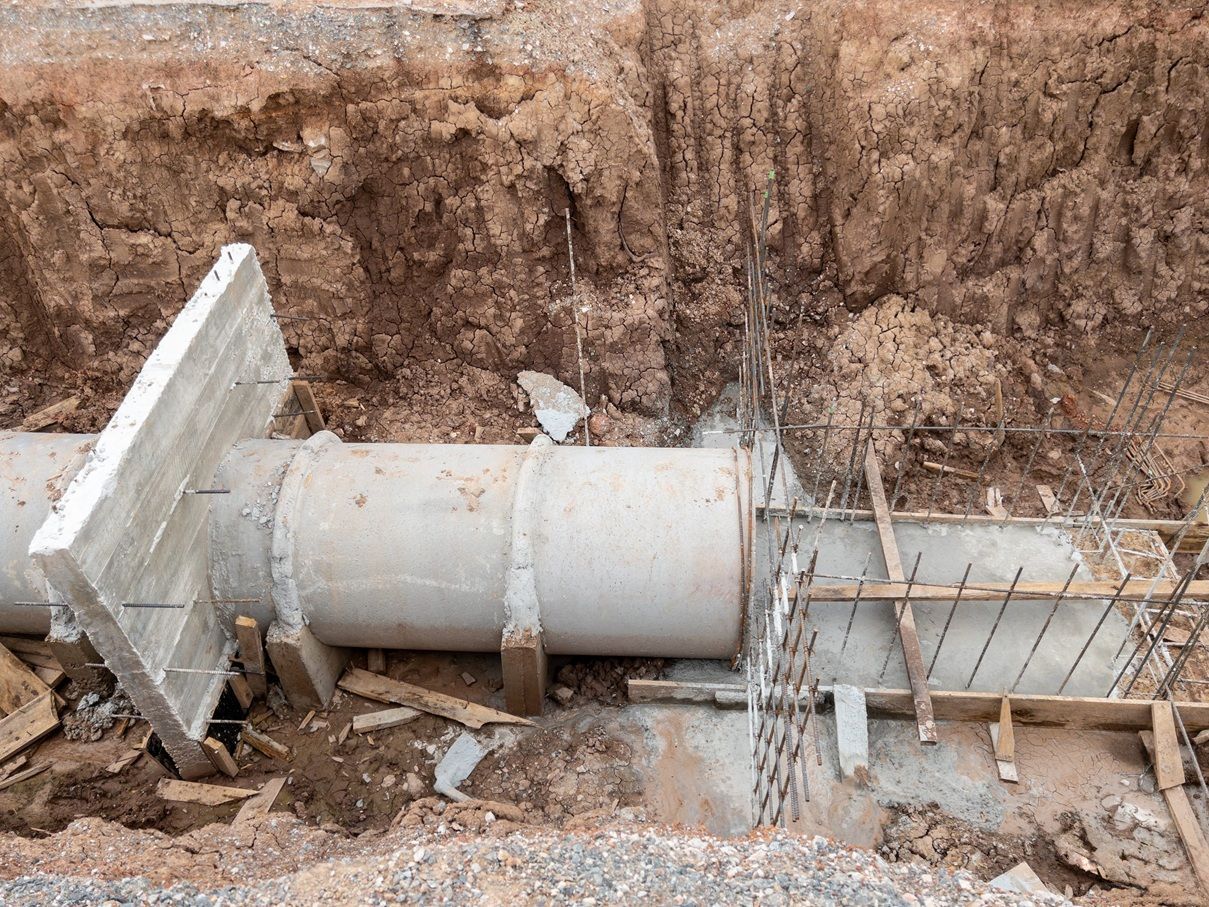
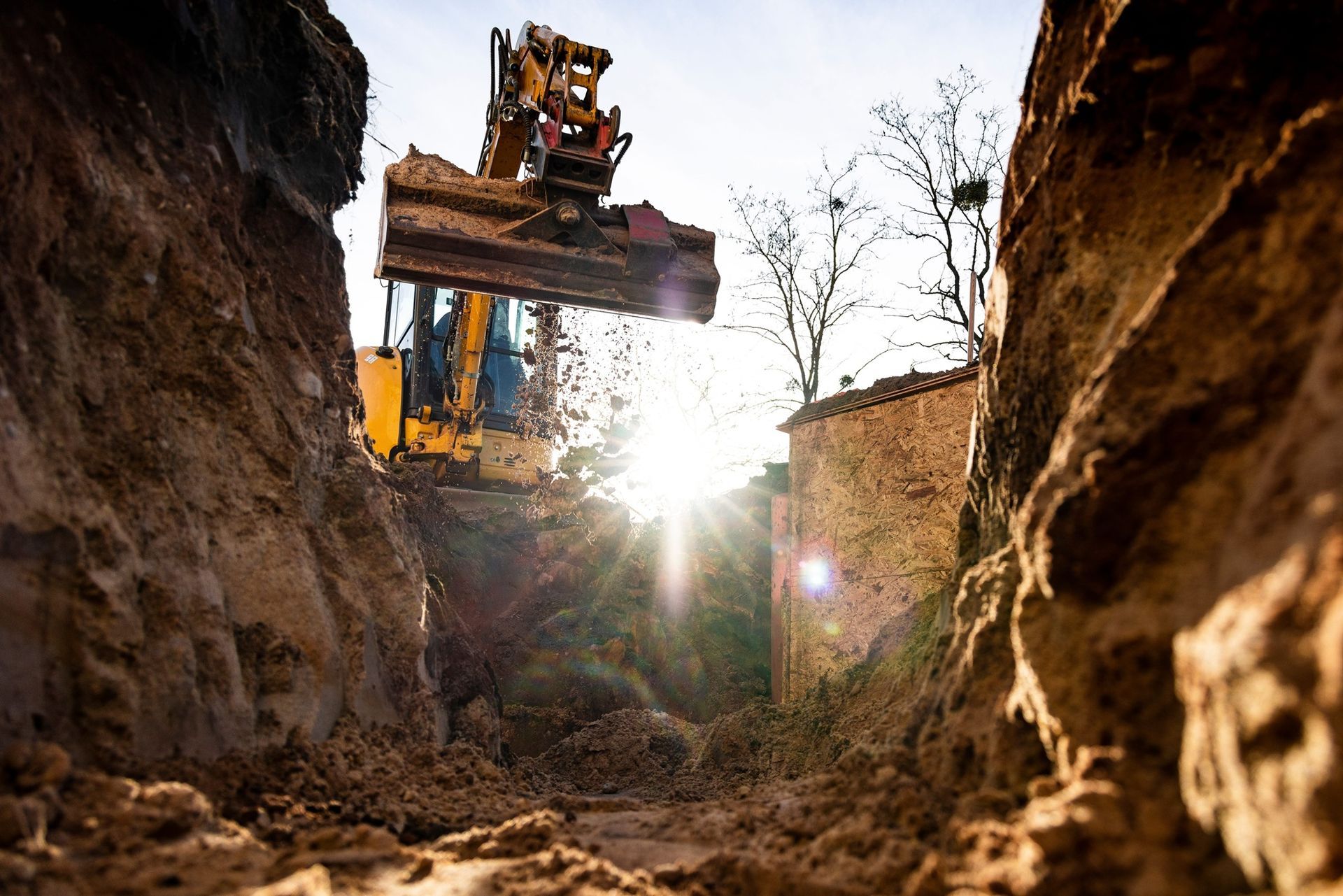
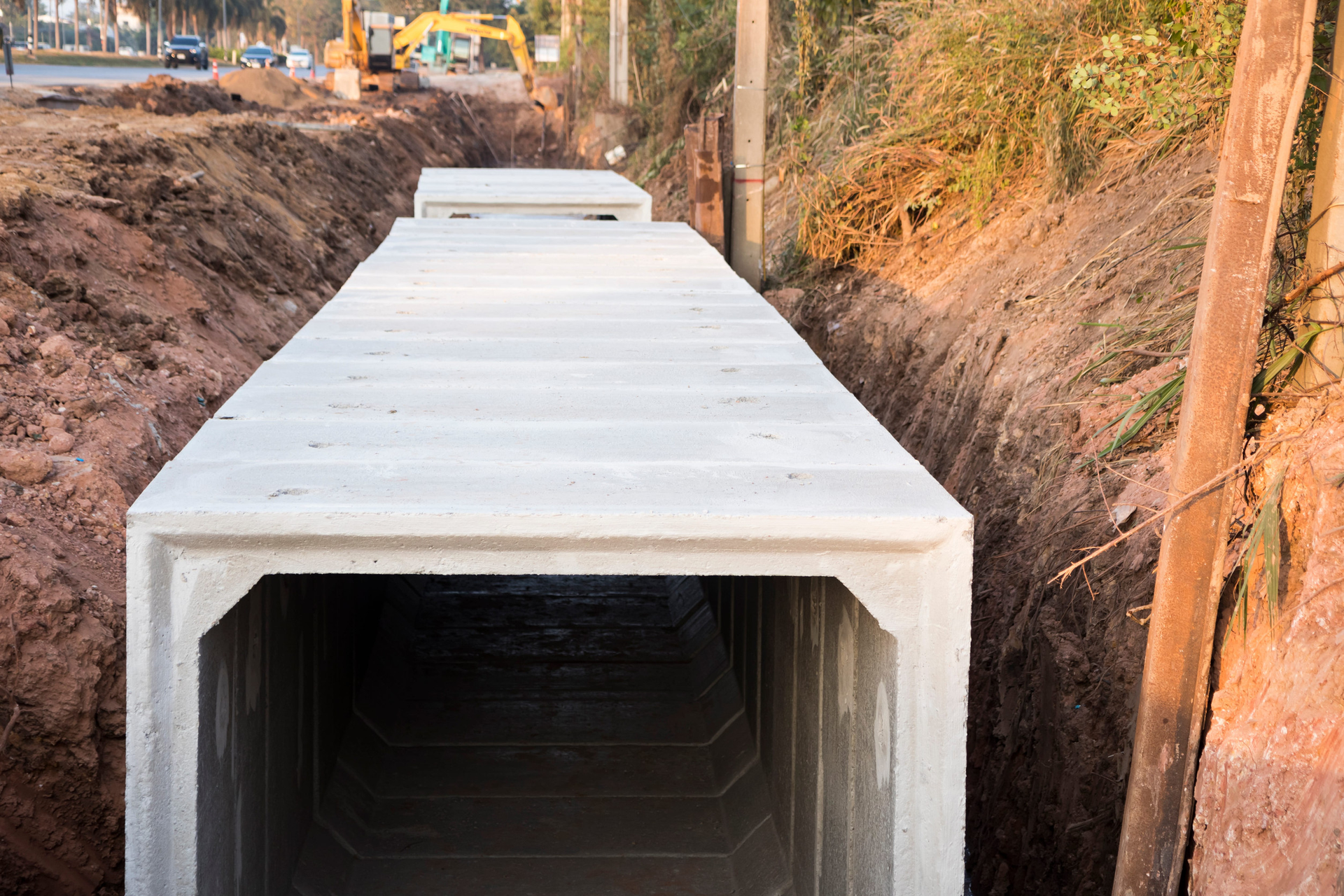
Yes. Culvert work may include excavation, bedding, pipe placement, backfill, compaction, ditch shaping, driveway restoration, and outlet protection.
What causes a driveway culvert to overflow?
Possible causes include blockage, sediment, insufficient capacity, poor elevation, failed ditches, a damaged pipe, or more runoff reaching the crossing than it can handle.
Can you fix standing water near a building?
Potentially. The site must be evaluated to determine whether the cause is poor surface grade, roof runoff, settlement, a blocked outlet, groundwater, or another drainage condition.
Do drainage projects require erosion control?
Many do. Outlets, slopes, ditches, culverts, and disturbed soil may need stabilization to prevent the corrected water path from creating a new washout.