What to Know Before Clearing Overgrown Land
A culvert is not simply a pipe placed beneath a driveway.
It is one part of a larger drainage system that may include roadside ditches, driveway grade, uphill runoff, inlet conditions, outlet protection, surrounding slopes, and the final path water follows across the property.
When these parts are planned together, a culvert can help preserve access and move water beneath the driveway without damaging the gravel, shoulders, or surrounding ground.
When they are not coordinated, the result may include:
Standing water
Driveway washouts
Gravel loss
Sediment buildup
Culvert overflow
Eroded outlets
Soft shoulders
Pipe damage
Water crossing the driveway
Repeated repair work
The correct solution begins with understanding where the water comes from and where it can safely go.
Planning these details together can reduce future reconstruction.
Clearing Overgrown Land Starts With a Better Plan
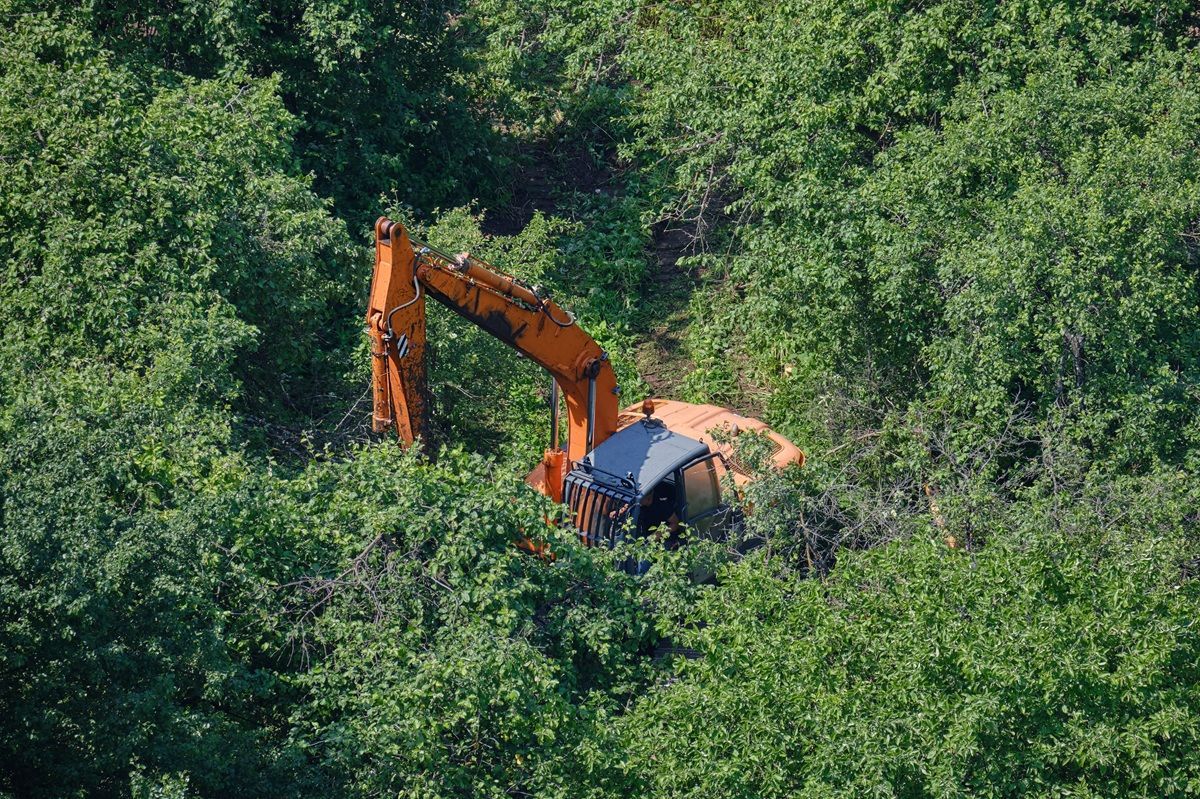
Overgrown property can make usable land feel smaller, limit access, hide drainage problems, and prevent construction or other improvements from moving forward.
It is easy to look at thick brush, saplings, fallen trees, vines, and neglected acreage and assume the job is simply to remove everything in the way. In reality, a successful land-clearing project should begin with a clear understanding of what the property needs to become.
The best approach depends on the size of the area, the density of the growth, the condition of the ground, how equipment will enter, what material must leave the site, and what will happen after the clearing is complete.
Before work begins, property owners should think through the following issues.
Start With the Final Use of the Property
The most important question is not simply, “What needs to be removed?”
It is:
What should this property support when the work is finished?
A future homesite may need clearing, driveway access, drainage, grading, excavation, building-pad preparation, utility trenching, and hauling.
A recreational property may only need selective clearing for trails, access, visibility, and safer use.
A commercial site may require full vegetation removal followed by excavation, grading, drainage, subgrade preparation, and access construction.
A farm or rural property may need fence-line clearing, field access, pond access, drainage improvement, or room for a barn or equipment building.
Knowing the final goal helps determine:
- How much land should be cleared
- Which trees or natural features should remain
- Where equipment access should be created
- Whether stumps and roots must be removed
- How debris should be handled
- Whether grading or drainage work should immediately follow
- Which areas should remain undisturbed
Clearing without a defined outcome can create unnecessary disturbance or leave the property open but still unusable.
Confirm Property Boundaries Before Work Begins
Dense vegetation can make property lines difficult to see. Old fencing, tree lines, field edges, and informal paths do not always match legal boundaries.
Before clearing near the edge of a property, it is important to confirm where the work area ends.
Helpful information may include:
- A recent survey
- Marked property corners
- Recorded plats
- Parcel maps
- Existing boundary markers
- Fence ownership information
- Easement locations
- Utility rights-of-way
This is especially important when clearing near neighboring properties, roads, utility corridors, streams, drainage areas, or shared access routes.
Unclear boundaries can create delays, disputes, or accidental removal of trees and vegetation outside the intended work area.
Think About Equipment Access
Heavy growth often hides the very conditions that make the site difficult to reach.
Before clearing begins, the contractor may need to consider:
- Whether equipment can enter from the road
- The width and condition of the entrance
- Steep slopes
- Soft or wet ground
- Low branches
- Existing gates
- Culvert capacity
- Tight turns
- Overhead utilities
- Nearby structures
- Areas where trucks can load or turn around
A project may require an access path to be cleared before the main work area can be reached.
On larger properties, the order of clearing matters. Creating a workable entrance and equipment route first can make the rest of the project more efficient and reduce unnecessary ground disturbance.
Identify What Should Stay
Land clearing does not always mean removing every tree, shrub, or natural feature.
Many projects benefit from selective clearing.
Property owners may want to preserve:
- Mature shade trees
- Trees along property boundaries
- Vegetation used for privacy
- Windbreaks
- Creek buffers
- Healthy wooded areas
- Landscaping near structures
- Trees that help stabilize slopes
- Wildlife cover
- Natural drainage areas
Marking important trees or preservation areas before equipment arrives helps avoid confusion.
It also allows the clearing plan to work around the long-term appearance and function of the property instead of treating the entire area as one open site.
Understand What Is Beneath the Vegetation
Heavy brush and wooded growth can hide more than uneven ground.
Once the property is opened, contractors may discover:
- Old fencing
- Wire
- Concrete
- Tires
- Construction debris
- Abandoned equipment
- Buried trash
- Stumps
- Root systems
- Rocks
- Washouts
- Drainage channels
- Old foundations
- Soft ground
- Eroded slopes
These conditions can affect equipment use, hauling requirements, cleanup time, grading, and the overall project scope.
Photos and a property walkthrough are useful, but some hidden conditions may not become visible until clearing begins.
For that reason, the project plan should leave room to address unexpected material or ground conditions when they are uncovered.
Decide How Cleared Material Will Be Handled
Vegetation and debris do not disappear once they are removed from the ground.
Before starting, the project should account for how trees, limbs, brush, stumps, roots, fencing, and other material will be managed.
Depending on the project, material may be:
- Piled in an approved area
- Processed
- Loaded and hauled away
- Separated by type
- Left for another planned use
- Removed in phases
- Combined with demolition or debris cleanup
Material handling can affect equipment choice, project duration, truck access, disposal requirements, and cost.
A property with room for staging or stockpiling may be approached differently from a small residential lot or commercial site with limited space.
Plan for Stumps and Root Systems
The level of stump and root removal depends on how the land will be used.
For example, surface clearing may be enough in an area that will remain natural or lightly maintained.
A future driveway, building pad, parking area, utility trench, or finished lawn may require more complete removal.
Stumps and root systems can interfere with:
- Excavation
- Grading
- Compaction
- Concrete preparation
- Building pads
- Driveways
- Utility installation
- Drainage pipes
- Long-term surface stability
Organic material left beneath structural areas can break down over time and contribute to settlement.
The clearing scope should make a clear distinction between removing visible growth and preparing the ground for construction.
Consider Drainage Before Removing Vegetation
Vegetation affects how water moves across a property.
Clearing can expose drainage problems that were previously hidden, but it can also change runoff patterns.
Before major vegetation removal, consider:
- Where water currently enters the property
- Which direction runoff travels
- Whether low areas hold water
- The location of ditches and swales
- Existing culverts
- Creek or pond edges
- Steep slopes
- Erosion-prone areas
- Water moving toward structures or roads
After clearing, exposed soil may be more vulnerable to erosion until it is graded or stabilized.
A complete plan may need to include:
- Rough grading
- Drainage correction
- Ditch cleaning
- Culvert work
- Swales
- Temporary stabilization
- Erosion-control measures
- Final grading
- Seeding or other surface protection
Clearing and drainage should be planned together when water already creates problems on the property.
Know What Work Comes After Clearing
Many land-clearing projects are only the first phase of a larger improvement.
After the vegetation is removed, the site may still need:
Excavation
Excavation may be required to remove unsuitable material, shape the site, create cuts and fills, or prepare foundation areas.
Grading
Rough and finish grading can smooth the property, establish elevations, improve drainage, and prepare the land for use.
Driveway or Road Construction
New access may require excavation, base material, drainage, culverts, gravel, shaping, and compaction.
Building-Pad Preparation
A future house, shop, garage, barn, or metal building may need cut-and-fill work, compaction, base preparation, and drainage planning.
Utility Trenching
Water, sewer, septic, electrical, communication, and drainage lines may need to be installed before final surfaces are completed.
Hauling
Excess soil, debris, stumps, brush, or unsuitable material may need to be removed. Gravel, fill, topsoil, or base material may need to be delivered.
Erosion Control
Exposed slopes and disturbed soil may need stabilization to reduce runoff and washouts.
Planning these phases early helps avoid completing one task and then disturbing it again during the next.
Common Land-Clearing Mistakes
Clearing Without a Final Plan
Removing vegetation before deciding where the building, driveway, drainage, or access will go can lead to unnecessary work.
Removing Too Much
Complete clearing is not always the best solution. Selective removal may preserve privacy, shade, slope stability, and the natural appearance of the property.
Ignoring Drainage
Clearing can expose or worsen runoff and erosion problems when water movement is not considered.
Underestimating Debris
Large trees, root systems, brush, fencing, and hidden material may create more hauling and cleanup than expected.
Leaving Structural Areas Full of Organic Material
Roots, stumps, and buried vegetation can affect long-term stability beneath pads, roads, and finished surfaces.
Skipping Property-Line Verification
Unclear boundaries can create serious problems when work takes place near neighboring land.
Treating Clearing as the Entire Project
The property may look open afterward but still require grading, drainage, access, excavation, or stabilization before it becomes truly usable.
Questions to Ask Before Hiring a Land-Clearing Contractor
A productive project conversation should cover more than the size of the property.
Consider asking:
- What part of the property should be cleared?
- What should remain?
- Is stump removal included?
- How will debris be handled?
- Is hauling included?
- Can equipment safely access the site?
- Are there known utilities or easements?
- Will grading be needed afterward?
- How will drainage be protected?
- Does the property need erosion control?
- What should happen before construction begins?
- Can related site work be coordinated through the same contractor?
Clear expectations at the beginning make it easier to compare estimates and understand the real scope of the project.
Related Service Direction
Land Clearing
Professional clearing for lots, acreage, building areas, access routes, fence lines, commercial sites, and overgrown property.
Excavation & Site Prep
Site shaping, earthmoving, cut-and-fill work, material removal, backfill, and preparation for construction.
Grading & Leveling
Slope correction, rough grading, finish grading, drainage grading, and preparation for future property use.
Hauling & Materials
Debris removal, material delivery, gravel, fill, topsoil, and cleanup support.
Related Project Direction
Cleaning Up Overgrown or Unusable Land
See how clearing, hauling, access, grading, drainage, and cleanup can work together to reclaim neglected property.
Building a Shop, House, Garage, Barn, or Metal Building
Learn how land clearing connects with driveway access, drainage, excavation, utilities, and building-pad preparation.
Full Project Management
Explore a complete site-work approach for projects requiring several services in the correct order.
Keep Reading
Land Clearing Before Building a House, Shop, or Barn
Learn how to coordinate clearing with access, drainage, grading, utilities, and pad preparation.
Land Clearing vs. Forestry Mulching
Compare the purpose and limitations of each approach.
What Comes After Land Clearing?
Review the excavation, grading, drainage, hauling, and stabilization work that may follow.

Not Sure Where the Clearing Project Should Start?
W Brown Construction LLC can review the property, discuss what you want to accomplish, and help identify whether the project involves clearing alone or a larger combination of access, excavation, grading, drainage, hauling, and site preparation.