
Land Clearing vs. Forestry Mulching
A culvert is not simply a pipe placed beneath a driveway.
It is one part of a larger drainage system that may include roadside ditches, driveway grade, uphill runoff, inlet conditions, outlet protection, surrounding slopes, and the final path water follows across the property.
When these parts are planned together, a culvert can help preserve access and move water beneath the driveway without damaging the gravel, shoulders, or surrounding ground.
When they are not coordinated, the result may include:
Standing water
Driveway washouts
Gravel loss
Sediment buildup
Culvert overflow
Eroded outlets
Soft shoulders
Pipe damage
Water crossing the driveway
Repeated repair work
The correct solution begins with understanding where the water comes from and where it can safely go.

You’ve chosen a terrific way of integrating images and text into your website. Move the image anywhere you want in this container and the text will automatically wrap around it. You can display events team members new products and more easily and creatively. To start add an image from the Image Picker and edit it as you would edit any image in the system. For example you can link the image to existing pages in your site a website URL a popup or an anchor. After you’ve chosen the image add your text. You can add text that describes the image you’ve selected or simply use the image for decorative purposes. \nYou’ve chosen a terrific way of integrating images and text into your website. Move the image anywhere you want in this container and the text will automatically wrap around it. You can display events team members new products more easily and creatively. To start add an image from the Image Picker and edit it as you would edit any image in the system. For example you can link the image to existing pages in your site a website URL a popup or an anchor. After you’ve chosen the image add your text. You can add text that describes the image you’ve selected or simply use the image for decorative purposes.
Land Clearing and Forestry Mulching Are Not the Same Service
Property owners often hear the terms land clearing and forestry mulching used as though they mean the same thing.
Both can remove overgrowth and make land easier to access, but they produce different results.
Forestry mulching generally focuses on cutting and processing vegetation at or near ground level. Traditional land clearing can involve removing trees, stumps, roots, brush, debris, and unsuitable material so the ground is ready for grading, construction, roads, utilities, or another structural use.
Neither method is automatically better for every property.
The right choice depends on:
- What is growing on the land
- How large the vegetation is
- What the property will be used for
- Whether stumps and roots must be removed
- How much soil disturbance is acceptable
- Whether grading or construction will follow
- How debris should be handled
- The condition and slope of the site
Understanding the difference can help property owners avoid paying for the wrong level of work.
What Is Forestry Mulching?
Forestry mulching uses specialized equipment to cut, grind, and process brush, saplings, small trees, and other vegetation into material that remains on the ground.
It is often used for:
- Overgrown acreage
- Trail creation
- Fence-line access
- Hunting property
- Pasture edges
- Utility corridors
- Selective clearing
- Brush management
- Property visibility
- Vegetation reduction
- Maintenance around wooded land
The mulch layer may help cover exposed soil and reduce the amount of material that must be hauled away.
Forestry mulching can be a practical option when the goal is to open the property, reduce vegetation, improve access, or reclaim land without fully removing every stump and root system.
What Is Traditional Land Clearing?
Traditional land clearing is a broader site-preparation process.
Depending on the project, it may include:
- Tree removal
- Brush removal
- Stump removal
- Root removal
- Grubbing
- Debris cleanup
- Fence removal
- Structure removal
- Material loading
- Hauling
- Rough grading
- Excavation
- Filling holes
- Preparing access
- Stabilizing disturbed ground
Traditional clearing is commonly used when land must support:
- A house
- A shop
- A garage
- A barn
- A metal building
- A driveway
- A road
- A parking area
- Utilities
- Drainage systems
- Commercial development
- Agricultural improvements
- Major grading work
The purpose is not just to remove visible vegetation. It is to prepare the ground for the next phase.
The Biggest Difference Is What Happens Below the Surface
Forestry mulching usually focuses on vegetation above the ground and near the surface.
Traditional land clearing can address what remains below it.
That distinction matters because stumps, roots, buried vegetation, and organic material can interfere with:
- Excavation
- Grading
- Compaction
- Building pads
- Concrete
- Driveways
- Roads
- Utility trenches
- Septic systems
- Drainage pipe
- Parking areas
A mulched site may look clean and open while still containing root systems and stumps that prevent structural work.
For recreational use or vegetation management, that may be acceptable.
For construction, access, or finished surfaces, more complete removal is often required.
Forestry Mulching Creates Less Immediate Soil Disturbance
One advantage of forestry mulching is that it can reduce vegetation without extensively disturbing the soil.
Because roots and many stumps remain in place, the ground may retain more immediate stability than it would after full grubbing and excavation.
This can make forestry mulching useful for:
- Selective clearing
- Trail systems
- Property maintenance
- Areas where erosion is a concern
- Land that is not being prepared for immediate construction
- Improving visibility through wooded areas
- Opening access without fully reshaping the site
However, lower soil disturbance does not mean the property is construction-ready.
The remaining organic material may still need to be removed later if the land is developed.
Traditional Clearing Creates More Complete Ground Access
Traditional clearing provides better access to the actual soil.
Once trees, brush, stumps, and roots are removed, contractors can evaluate:
- Soil conditions
- Grade
- Drainage
- Rock
- Buried debris
- Erosion
- Low areas
- Soft ground
- Cut-and-fill needs
- Building-pad requirements
This is especially important before excavation, grading, utility work, driveway construction, or concrete preparation.
The increased disturbance must be managed carefully. Exposed soil may need rough grading, drainage correction, stabilization, erosion control, or final surface preparation.
How Each Method Handles Debris
Forestry mulching reduces vegetation into smaller material that remains on the property.
This can reduce hauling, but it also leaves a layer of organic material behind.
That material may be acceptable in:
- Natural areas
- Trails
- Recreational property
- Low-traffic areas
- Selectively cleared acreage
- Vegetation-management zones
It may not be appropriate beneath:
- Building pads
- Driveways
- Roads
- Parking areas
- Concrete
- Compacted structural fill
- Utility installations
- Finished lawns requiring smooth grading
Traditional land clearing may involve piling, separating, loading, hauling, processing, or disposing of material.
This usually creates a cleaner surface for construction, but it can involve more equipment, hauling, and site disturbance.
Forestry Mulching Is Often Best for Selective Property Improvement
Forestry mulching may be a good fit when the owner wants to improve the property without completely transforming it.
Examples include:
- Opening trails
- Reclaiming overgrown pasture edges
- Clearing around fence lines
- Improving visibility
- Reducing thick underbrush
- Creating access through wooded acreage
- Maintaining hunting land
- Clearing utility paths
- Opening areas around ponds
- Managing vegetation beneath larger trees
It can preserve more of the natural character of the property while reducing dense growth.
The method is especially useful when the final goal does not require a fully excavated or compacted surface.
Traditional Clearing Is Usually Better for Construction Sites
Traditional clearing is usually the stronger option when the land must support permanent construction or heavy traffic.
A future building site may need:
- Complete vegetation removal
- Stump and root removal
- Unsuitable-soil removal
- Excavation
- Cut-and-fill work
- Compaction
- Drainage
- Building-pad preparation
- Driveway access
- Utility trenching
- Final grading
Leaving organic material beneath these areas can create settlement, soft spots, and complications during later phases.
For that reason, the clearing method should match the structural requirements of the project.
Can Both Methods Be Used on the Same Property?
Yes.
Many properties benefit from a combination of selective mulching and traditional clearing.
For example:
- The future homesite may need full clearing and grubbing
- The driveway route may need complete removal and excavation
- Trails may only need forestry mulching
- Fence lines may need selective vegetation reduction
- A wooded buffer may remain mostly intact
- Drainage areas may require targeted clearing
- Recreational sections may only need brush management
Using different approaches in different zones can control disturbance while still preparing the structural areas correctly.
The property does not have to be treated as one uniform clearing project.
What About Large Trees?
The size, number, and location of trees can affect which method is practical.
Forestry mulching equipment may be best suited for brush, saplings, and certain smaller trees, depending on the machine and site.
Larger trees may require:
- Cutting
- Equipment-assisted removal
- Stump extraction
- Root removal
- Loading
- Hauling
- Additional cleanup
Large trees near buildings, utilities, roads, neighboring property, steep slopes, or sensitive areas may require a more controlled plan.
The clearing method should be based on the actual vegetation—not just the size of the property.
What About Stumps?
Stumps are one of the most important differences between these methods.
With forestry mulching, stumps may be cut close to the ground or reduced, but the root system usually remains.
Traditional clearing may include complete stump and root removal.
Stumps may need to be removed when they interfere with:
- Building pads
- Foundations
- Driveways
- Roads
- Parking areas
- Utility routes
- Drainage
- Septic work
- Final grading
- Agricultural use
Stumps left in natural or low-traffic areas may not create the same concern.
The decision should be based on the future use of that exact section of land.
How Drainage Affects the Decision
Both clearing methods can change how water moves across a property.
Forestry mulching may leave more root structure and surface material in place, which can reduce immediate soil exposure.
Traditional clearing exposes more of the actual grade and may allow drainage issues to be corrected more completely.
Before choosing a method, consider:
- Existing runoff paths
- Standing water
- Ditches
- Culverts
- Slopes
- Creek areas
- Pond edges
- Erosion
- Low ground
- Water moving toward structures
- Future driveway drainage
A property that already has serious drainage problems may need more than vegetation removal.
It may require excavation, grading, culverts, swales, ditches, fill, or erosion control.
How the Final Appearance Differs
Forestry mulching generally leaves:
- A layer of processed vegetation
- Existing roots in place
- Some low stumps
- A more natural surface
- Less immediate soil exposure
- More of the wooded character intact
Traditional land clearing generally leaves:
- More exposed soil
- Fewer stumps and roots
- A cleaner construction area
- Better access for excavation and grading
- More opportunity to reshape the property
- A site that may require stabilization afterward
The expected finished appearance should be discussed before work begins.
A property owner expecting a smooth, construction-ready surface may be disappointed by a mulch-only result.
A property owner wanting selective access may not need the cost and disturbance of complete clearing.
Cost Depends on More Than Acreage
Property owners sometimes expect clearing prices to be based only on the number of acres.
In reality, scope and site conditions matter just as much.
Factors may include:
- Vegetation density
- Tree size
- Stump size
- Terrain
- Slope
- Ground conditions
- Equipment access
- Property boundaries
- Debris
- Fencing
- Hauling distance
- Disposal needs
- Drainage
- Required finish
- Whether grading will follow
- Whether material stays on site
- The final use of the land
Two properties of the same size may require very different amounts of work.
A site review helps define the actual scope.
Common Mistakes When Choosing a Clearing Method
Choosing Based Only on Price
The least expensive method may not leave the property ready for its intended use.
Assuming Mulching Removes Stumps and Roots
The site may look clear while still containing material that interferes with construction.
Paying for Full Clearing Where It Is Not Needed
Natural, recreational, or selective areas may not require complete grubbing and excavation.
Ignoring the Next Phase
Driveways, pads, utilities, drainage, and grading should influence the clearing method.
Failing to Define the Finished Result
“Clear the land” can mean different things to different people. The expected end condition should be specific.
Treating the Entire Property the Same
Different areas may need different levels of clearing.
Ignoring Drainage and Erosion
Vegetation removal can expose soil and change runoff patterns.
Questions to Ask Before Deciding
Before selecting forestry mulching or traditional clearing, ask:
- What will this area be used for?
- Does the ground need to support a structure?
- Will vehicles or equipment travel across it?
- Do stumps and roots need to be removed?
- Will utilities or drainage cross the area?
- Is hauling required?
- Should the finished surface be natural or smooth?
- Will grading follow?
- Are there trees or buffers that should remain?
- Is erosion already a concern?
- Does the property need one method or a combination?
- What condition should the land be in when the project is finished?
These questions make it easier to define the correct scope.
Related Service Direction
Land Clearing
Complete or selective clearing for construction sites, rural acreage, access routes, fence lines, commercial property, and overgrown land.
Excavation & Site Prep
Remove unsuitable material, prepare structural areas, reshape the property, and continue into construction-ready site work.
Grading & Leveling
Smooth disturbed ground, establish elevations, improve drainage, and prepare the property for its next use.
Hauling & Materials
Remove brush, trees, stumps, debris, soil, and unwanted material while delivering fill, gravel, rock, or topsoil.
Related Project Direction
Cleaning Up Overgrown or Unusable Land
See how selective clearing, full clearing, hauling, grading, drainage, and access improvements can work together to reclaim property.
Building a Shop, House, Garage, Barn, or Metal Building
Learn why construction areas usually need more complete clearing than recreational or natural sections of the property.
Full Project Management
Explore a coordinated approach for property projects involving several phases of clearing, excavation, access, drainage, grading, and cleanup.
Keep Reading
What Comes After Land Clearing?
Review the excavation, grading, drainage, access, hauling, and stabilization work that may follow.
What to Know Before Clearing Overgrown Land
Learn how boundaries, access, debris, drainage, stumps, and the final use of the property affect the clearing plan.
Land Clearing Before Building a House, Shop, or Barn
See how clearing connects with construction access, utilities, drainage, excavation, and building-pad preparation.
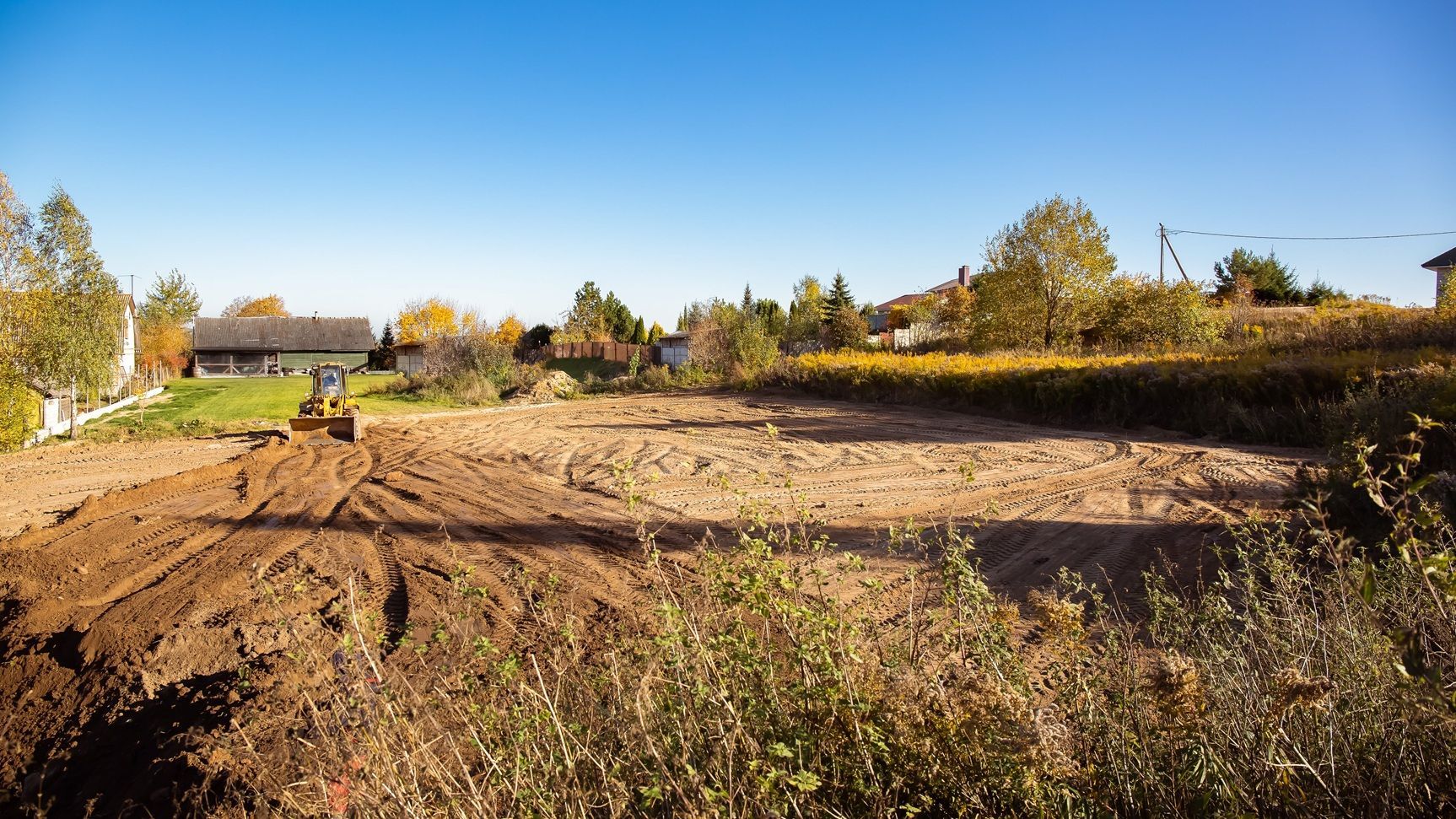
Not Sure Which Clearing Method Fits Your Property?
W Brown Construction LLC can review the land, discuss the final goal, and help determine whether the project needs selective vegetation removal, complete land clearing, stump removal, hauling, grading, or a combination of services.